Honoring Sandra Day O’Connor on Her 96th Birthday, March 26, 2026
She learned to change a flat tire on a Jeep at the age of fourteen, alone, in the middle of the Arizona desert, with a load of lunch for ranch hands waiting on her. She drove through it, changed the tire, and delivered the food. That was Sandra Day O’Connor: practical, unflappable, and utterly determined to finish the job.
Today, March 26, 2026, would have been her 96th birthday. Justice O’Connor passed away on December 1, 2023, but her life’s work — on the bench, in the legislature, and in America’s classrooms — continues to shape this country. At the Sandra Day O’Connor Institute, we pause every year not just to remember her, but to ask: what does her life call us to do today?
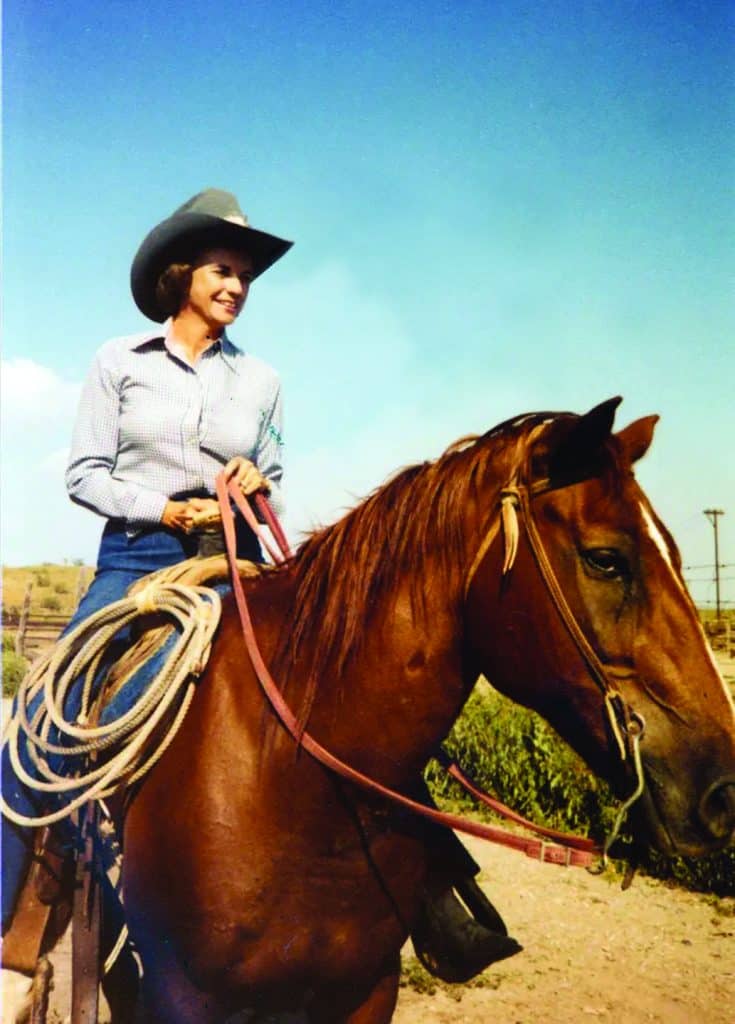
Where It All Began: The Lazy B Ranch
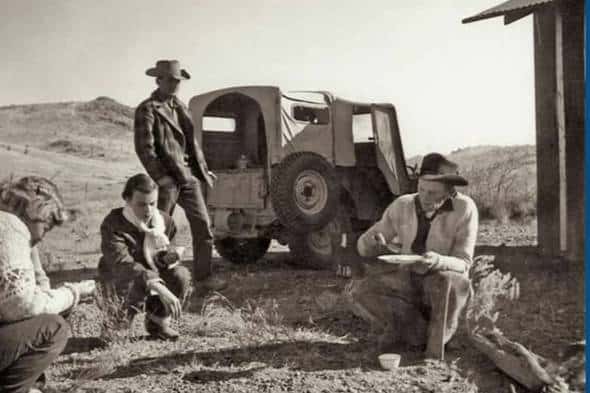
The Lazy B was a 198,000-acre cattle ranch straddling the Arizona–New Mexico border, nine miles from the nearest paved road. For the first seven years of Sandra Day’s life, it had no running water or electricity. Her parents, Harry and Ada Mae Day, had not chosen this life easily — her father had dreamed of attending Stanford himself before being called back to rescue the family ranch.
Sandra grew up branding cattle, firing a rifle, and driving a truck before most children learn to ride a bike. She was sent to live with her grandmother in El Paso for the school year, returning to the ranch for summers and holidays. It was a childhood of remarkable contrasts: isolation and self-reliance on one hand, rigorous academic discipline on the other.
“It was no country for sissies, then or now. Making a living there takes a great deal of hard work and considerable luck.” — Sandra Day O’Connor, Lazy B
She later reflected that the ranch gave her something no law school could: a bone-deep belief in independence, and a pragmatic instinct for solving problems without waiting for someone else to step in. Those qualities would define her judicial philosophy decades later.
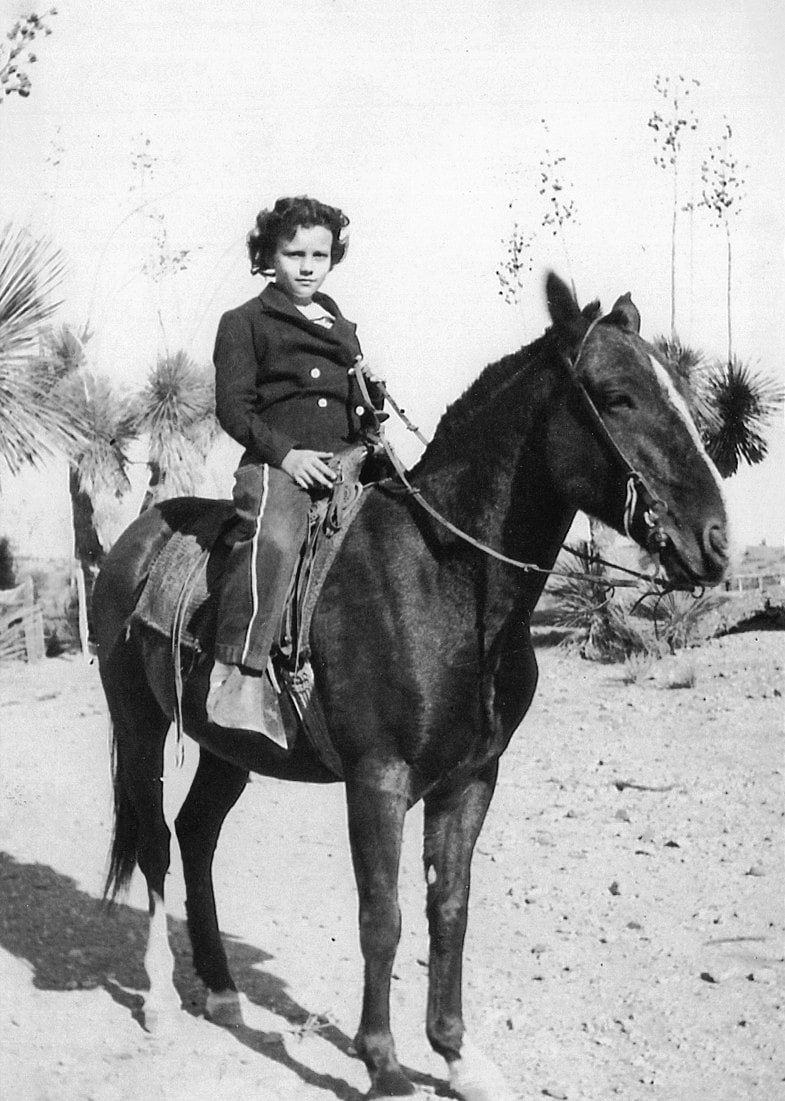
Forty Firms Said No. She Found Another Way
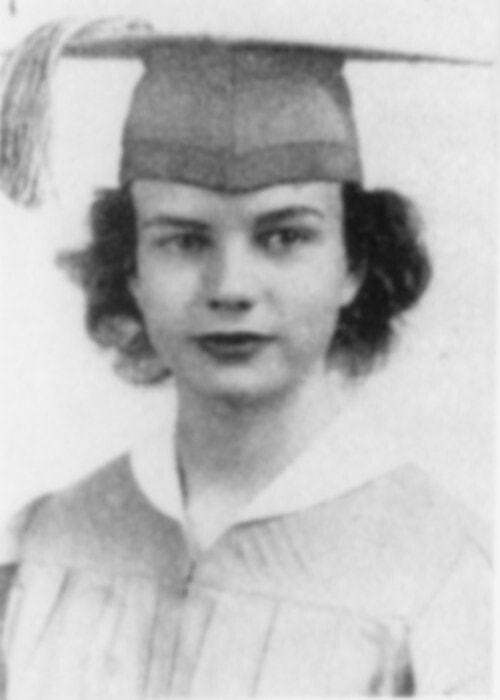
Sandra Day graduated near the top of her class at Stanford Law School in 1952, ranking third out of 102 students, and served on the Stanford Law Review alongside her classmate and future Chief Justice William Rehnquist. She was inducted into the Order of the Coif, the highest academic honor in American legal education.
And yet, despite those credentials, not a single law firm would offer her a job as an attorney. The reason was simple: she was a woman. One firm offered her work as a legal secretary. She declined. Instead, she volunteered as a deputy county attorney in San Mateo, California — unpaid at first — and began building the career that no one else would build for her.
She went on to serve in the Arizona State Senate, where, in 1972, she became the first woman to serve as the majority leader of any state senate in American history. In 1981, President Ronald Reagan nominated her to the United States Supreme Court, fulfilling a campaign pledge to appoint a woman. The Senate confirmed her unanimously, 99 to 0. On September 25, 1981, Sandra Day O’Connor was sworn in as the 102nd Justice of the United States — and the first woman ever to hold that office.
Explore the full arc of her career at the O’Connor Digital Library, where her speeches, writings, and timeline are preserved for the public.
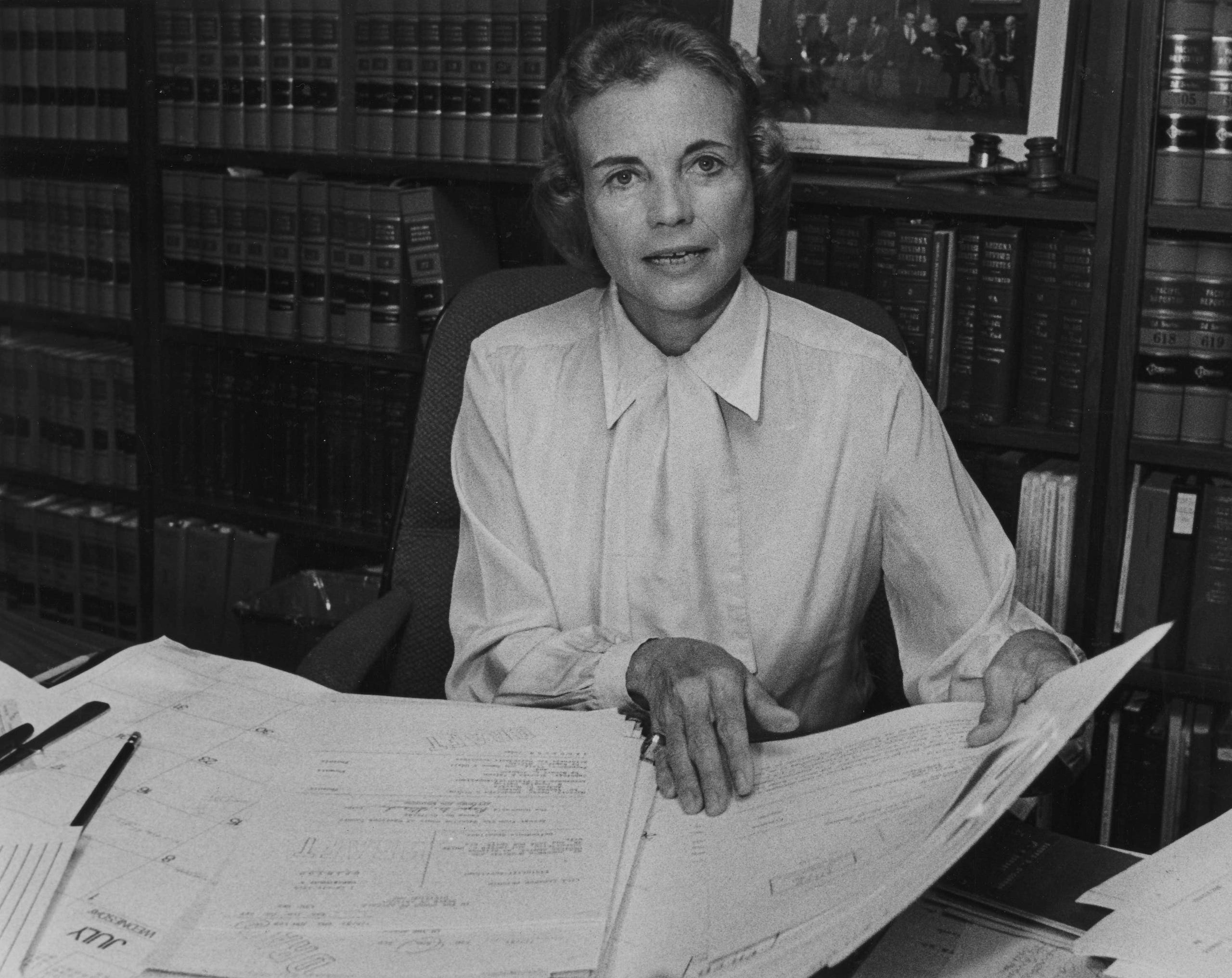
A Justice Who Answered Every Question
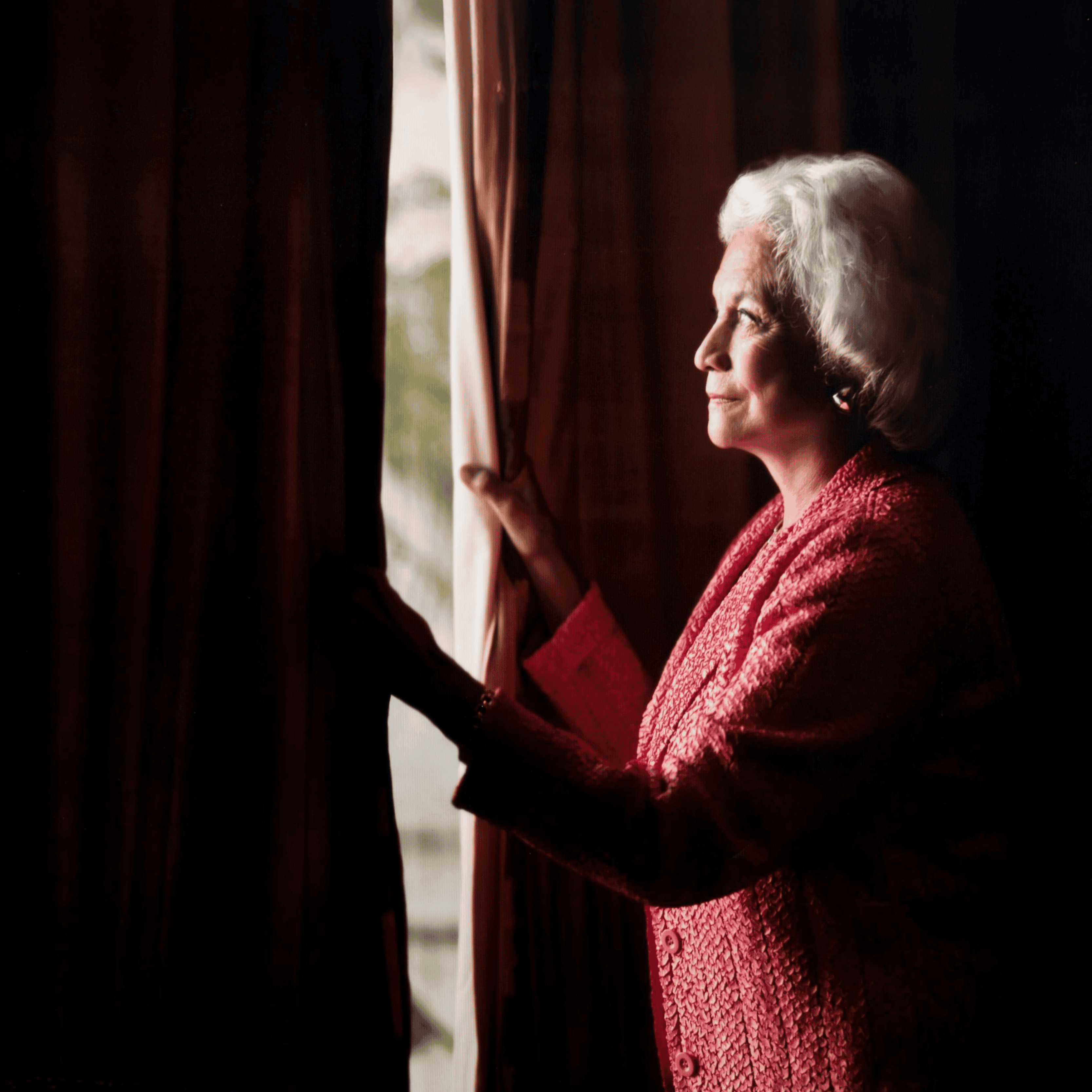
Over 25 years on the Court, Justice O’Connor authored hundreds of opinions and became one of its most consequential voices. She was often the decisive vote in the Court’s most closely divided cases — on questions of affirmative action, religious expression in public life, the rights of the accused, and the limits of federal and state power.
She resisted being pigeonholed. Her approach was empirical and case-by-case, drawing criticism from those who wanted sweeping rules and consistent ideological alignment. But she was unapologetic:
“You have to answer the question, like it or not. And the questions deserve a valid legal response, even if the response isn’t one that will be easily understood. You have an obligation as a member of the court to do what you are bound to do under federal law, even if it isn’t an attractive resolution from a public standpoint.” — Justice O’Connor
After her retirement, Chief Justice John Roberts described her as "a fiercely independent defender of the rule of law" — a phrase that captures not just her jurisprudence, but her entire character.
She was also, by all accounts, a warm and generous colleague. She initiated the tradition of justices sharing lunch together on oral argument days. She brought a crockpot of homemade food to Sunday prep sessions with her law clerks. She organized field trips for her staff during stressful stretches of the term. The same woman who insisted on answering hard legal questions with rigor also insisted on treating the people around her with kindness.
Her Vision, Our Work
Justice O’Connor believed that a self-governing nation requires self-aware citizens — people who understand how their government works, who show up, and who engage with those they disagree with in good faith. That conviction is the foundation upon which the Sandra Day O’Connor Institute was built, and it animates everything we do today.
“The practice of democracy is not passed down through the gene pool. It must be taught and learned anew by each generation.” — Justice O’Connor
Our Civics for Life initiative is the heart of that work — a multigenerational effort to make civic knowledge and civic participation a lifelong practice, not a one-time lesson. Through the Civics for Life Community App, the Civics Challenge, and the Public Square, we meet Americans where they are — young and old, students and professionals, urban and rural — and connect them to their democracy in meaningful ways.
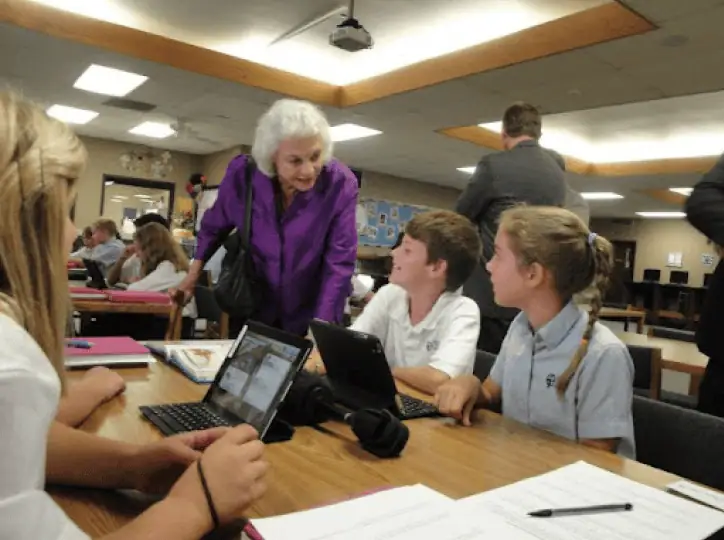
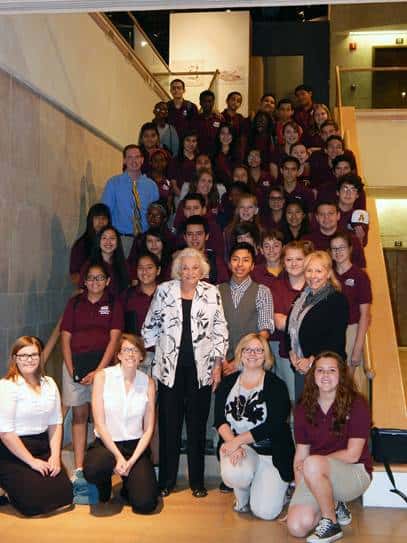
For the next generation, Camp O’Connor USA immerses students in the principles and practice of constitutional democracy, while the O’Connor Institute Ambassadors program develops emerging civic leaders who carry these values into their communities and careers.
For those who want to grapple with the hard questions that face our country, our Constitution Series and Issues & Answers forums create space for exactly the kind of rigorous, cross-partisan dialogue Justice O’Connor modeled throughout her career. These aren’t echo chambers — they are places where disagreement is welcomed and worked through, because that is how democracy is supposed to function.
And for anyone who wants to understand Justice O’Connor herself — her rulings, her speeches, her letters, her life — her papers and writings are preserved and publicly accessible through the O’Connor Digital Library. The historic O’Connor House in Phoenix, where she and her husband John built much of their life together, stands as a place to connect with her story in a personal and lasting way.
The Job Isn’t Finished Until It’s Finished
Her son Brian Day O’Connor described his mother as “the most fun person I knew” — someone with “a voracious curiosity for all things” who always wanted to “bite the apple, wherever and whatever it was.” That hunger — for knowledge, for adventure, for justice — carried her from the Lazy B to the Supreme Court. And it is the spirit that carries this Institute forward today.
The work Justice O’Connor cared about most — making sure every American understands and participates in their government — is not finished. But because of her, we know exactly what it looks like to do that work with skill, with grace, and with the tireless determination of someone who changed a tire in the desert and kept right on going.

Happy Birthday, Justice O'Connor!
To learn more about her life and legacy, visit the O’Connor Digital Library. To support the work she entrusted to us, consider making a gift to the Institute.