How the Next Generation Understands Liberty, Safety, and Civic Responsibility
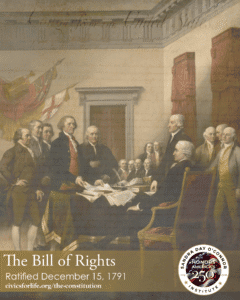
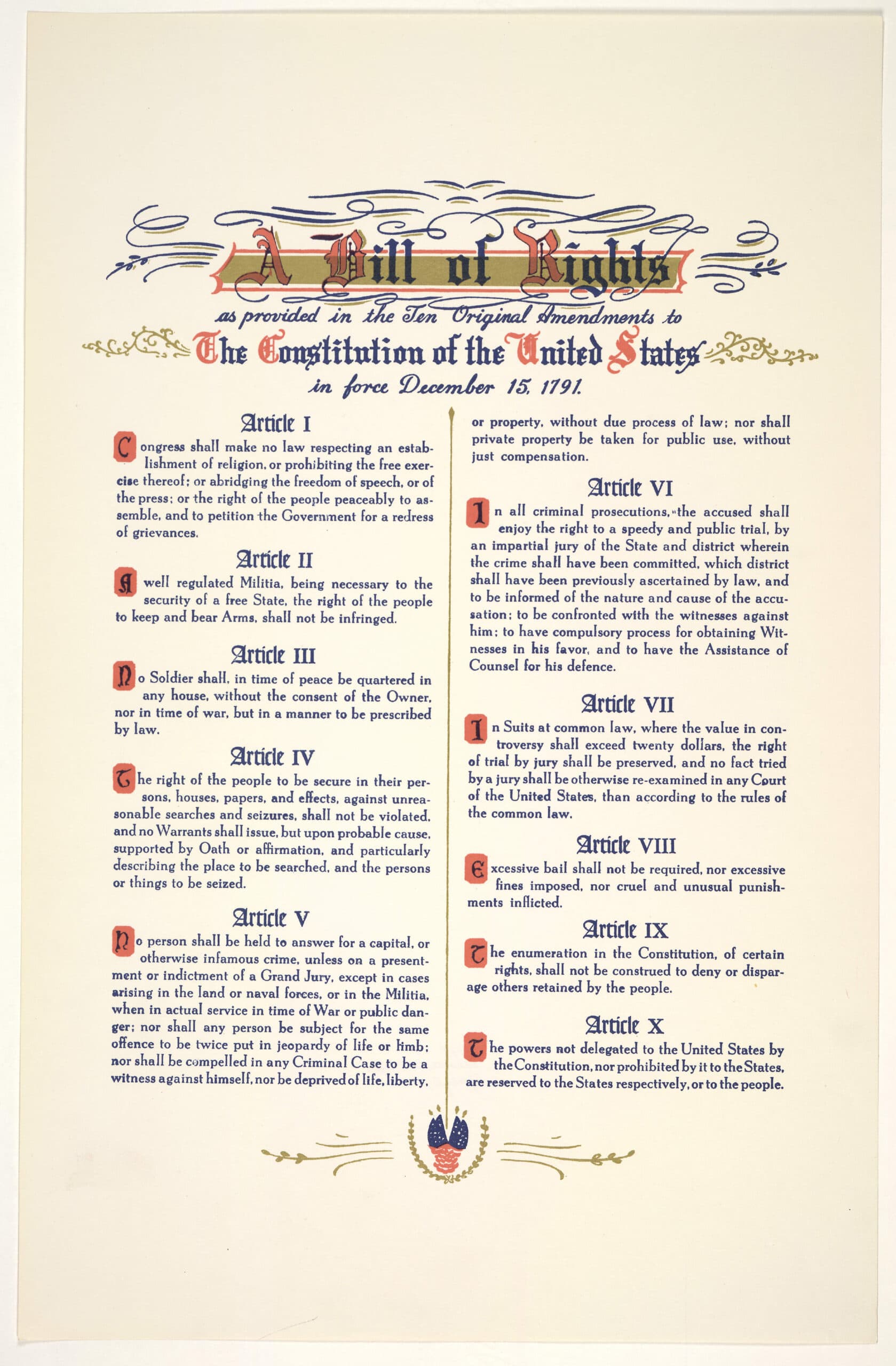
Each year, the O’Connor Institute Ambassador Program brings together outstanding high school students from across the country to explore American civics through thoughtful dialogue and real-world application. This program year, Ambassadors are studying the Bill of Rights—the first ten amendments to the U.S. Constitution—and reflecting on the freedoms and responsibilities that continue to shape civic life today.
Their conversations offer a window into how young Americans are thinking about constitutional rights in an era defined by technology, social change, and new questions about liberty, safety, and civic participation. To coincide with Bill of Rights Day on December 15, we encourage readers to explore our companion article on the Civics for Life website, “The Bill of Rights: How the First Ten Amendments Came to Be.”
How O'Connor Institute Ambassadors Approached the First Four Amendments
Over the past several months, Ambassadors have taken a close look at the First through Fourth Amendments, examining how each outlines both essential freedoms and important civic responsibilities.
Their discussions of the First Amendment centered on the value of open expression, the challenge of navigating modern information environments, and the importance of civil dialogue. Students recognized that participating in a democracy requires not only the freedom to speak, but also the ability to listen, question, and engage constructively with differing views.
When studying the Second Amendment, Ambassadors explored the balance between individual liberty and public safety. Rather than focusing on division, students practiced respectful debate—an essential civic skill—considering historical context, community impact, and the ways constitutional principles apply to contemporary concerns.
In reviewing the Third and Fourth Amendments, students discussed themes of privacy, personal security, and the evolving meaning of these protections in a digital world. Their conversations often expanded into broader questions about technology, data, and the role of government in safeguarding both security and individual rights.
Across all four amendments, students practiced the habits of civic engagement: examining evidence, considering multiple perspectives, asking thoughtful questions, and connecting constitutional concepts to modern life. These experiences help prepare them to participate as informed voters and active citizens.


Looking Ahead: Continuing the Journey Through the Bill of Rights

As the program year continues, Ambassadors will turn their attention to the remaining six amendments in the Bill of Rights. Their exploration will include issues of due process, jury trials, civil justice, federalism, and the broader principles that define the relationship between individuals and government.
By studying the full Bill of Rights through both historical context and contemporary relevance, Ambassadors gain a deeper understanding of the constitutional framework that shapes American democracy. More importantly, they develop the tools and confidence needed to engage thoughtfully in civic life—now and in the years ahead.
Why Programs Like Ambassadors Matter
The O’Connor Institute Ambassador Program demonstrates the importance of providing young people with space to engage in nonpartisan civic learning. Through dialogue, historical study, and guided discussion, Ambassadors practice the very skills that sustain a healthy democracy: listening, questioning, analyzing evidence, and engaging respectfully across differences.
These students are not just preparing for college or future careers—they are preparing to participate as informed voters, thoughtful community members, and active contributors to civil society. Programs like Ambassadors help cultivate the next generation of leaders who understand that rights come with responsibilities and that civic engagement is a lifelong commitment.
Continue the Conversation

The perspectives and curiosity of the O’Connor Institute Ambassadors highlight the enduring relevance of the Bill of Rights. Though written in 1791, these amendments continue to raise questions that shape our daily lives—technology, privacy, safety, and the nature of civic debate.
We invite you to explore more about the history and ratification of these foundational freedoms in our full article on Civics for Life:
The Bill of Rights Explained: History, Ratification, and Why December 15 Matters
Learn more about the O’Connor Institute Ambassador Program and its commitment to promoting civics education, civil discourse, and civic engagement among emerging leaders.