Civic Leadership from the Founding Era to Justice Sandra Day O’Connor
Each March, Women’s History Month invites us to reflect on the women whose leadership helped shape the American story. While the founding era is often told through the voices of generals and statesmen, the strength of the early republic also depended on women who sustained communities, preserved national ideals, and modeled civic responsibility.
At the Sandra Day O’Connor Institute, we believe that democracy depends on informed, engaged citizens and a culture of civil discourse. When Justice Sandra Day O’Connor became the first woman appointed to the United States Supreme Court, she joined women of the founding generation who demonstrated how civic leadership strengthens a constitutional republic.
The lives of Martha Washington, Esther De Berdt Reed, Dolley Madison, and Eliza Hamilton show that democracy is upheld not only in formal institutions but also through civic culture, voluntary association, and stewardship of our nation’s principles.

Martha Washington: Establishing Civic Norms
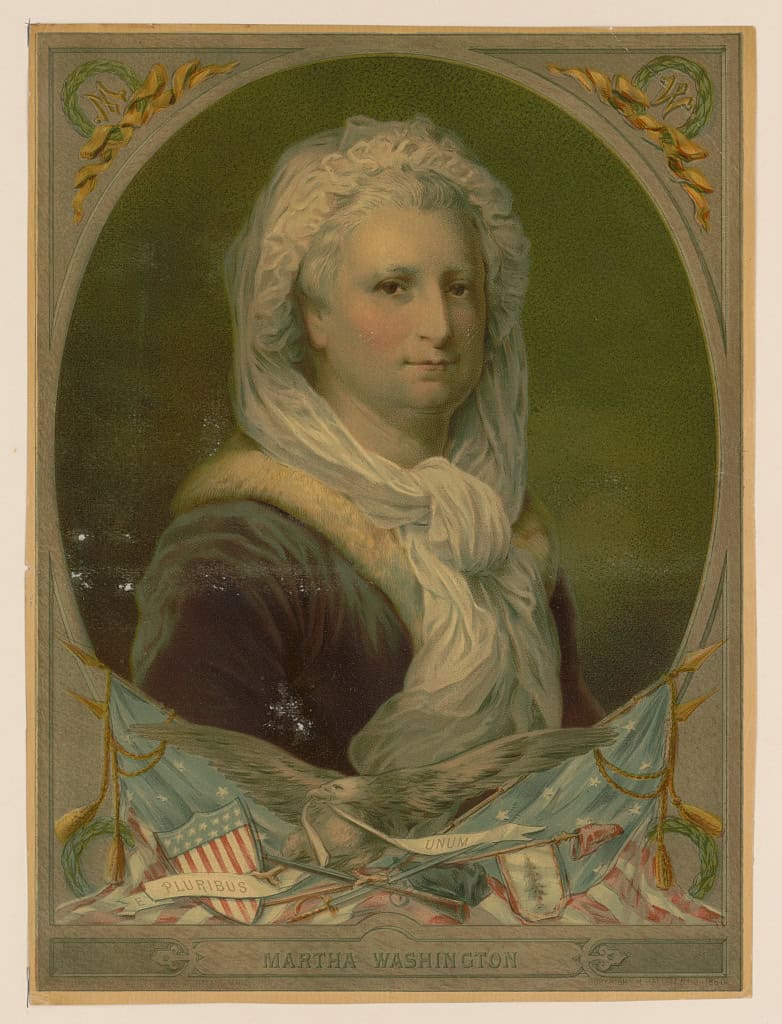
As the nation’s first First Lady, Martha Washington helped define a role that had no constitutional blueprint yet carried enormous symbolic importance. During the Revolutionary War, she joined General George Washington at winter encampments such as Valley Forge, providing encouragement and support to officers and soldiers.
In the early republic, she hosted weekly receptions that brought together leaders from across political lines. These gatherings helped establish norms of republican civility in a new and often fragile political environment.
Her leadership underscores a principle central to the mission of the Sandra Day O’Connor Institute: institutions endure when civic culture reinforces them. Laws and constitutions matter — but so do habits of respect, dialogue, and shared national purpose.
Esther De Berdt Reed: Organized Civic Action
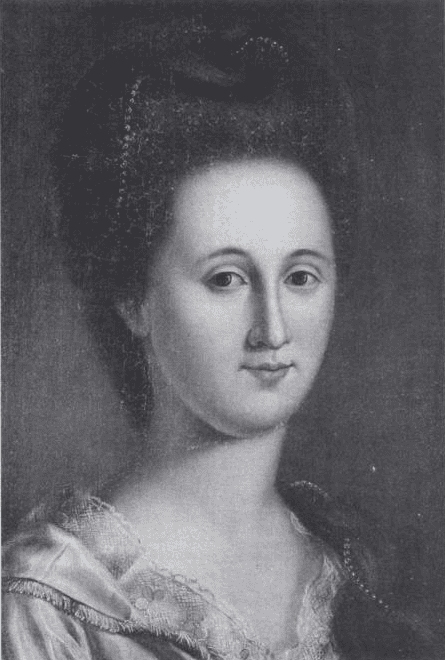
During the American Revolution, Esther De Berdt Reed mobilized women to support the Continental Army through organized civic action. As leader of the Ladies Association of Philadelphia, she helped raise funds and produce clothing for soldiers in need.
Her widely circulated essay, “The Sentiments of an American Woman,” encouraged women to see themselves as participants in the nation’s cause. Reed’s leadership demonstrated that voluntary associations — citizens working together toward a common goal — are a powerful force in sustaining a republic.
Justice O’Connor frequently emphasized that democracy requires participation beyond the ballot box. Reed’s example shows that civic engagement has been part of the American tradition since its earliest days.
Dolley Madison: Civil Discourse and National Unity
In the early 19th century, Dolley Madison reshaped the role of First Lady into one of informal diplomacy and social leadership. In a politically divided era, she hosted gatherings that encouraged dialogue among rival factions, fostering personal relationships across partisan lines.
During the War of 1812, she also ensured the preservation of national symbols — most famously, safeguarding Gilbert Stuart’s portrait of George Washington before the British set fire to the White House.
Dolley Madison’s leadership highlights two themes deeply connected to the Sandra Day O’Connor Institute’s work today: the importance of civil discourse and the preservation of shared national symbols that unite citizens even amid disagreement.

Eliza Hamilton: Service and Stewardship
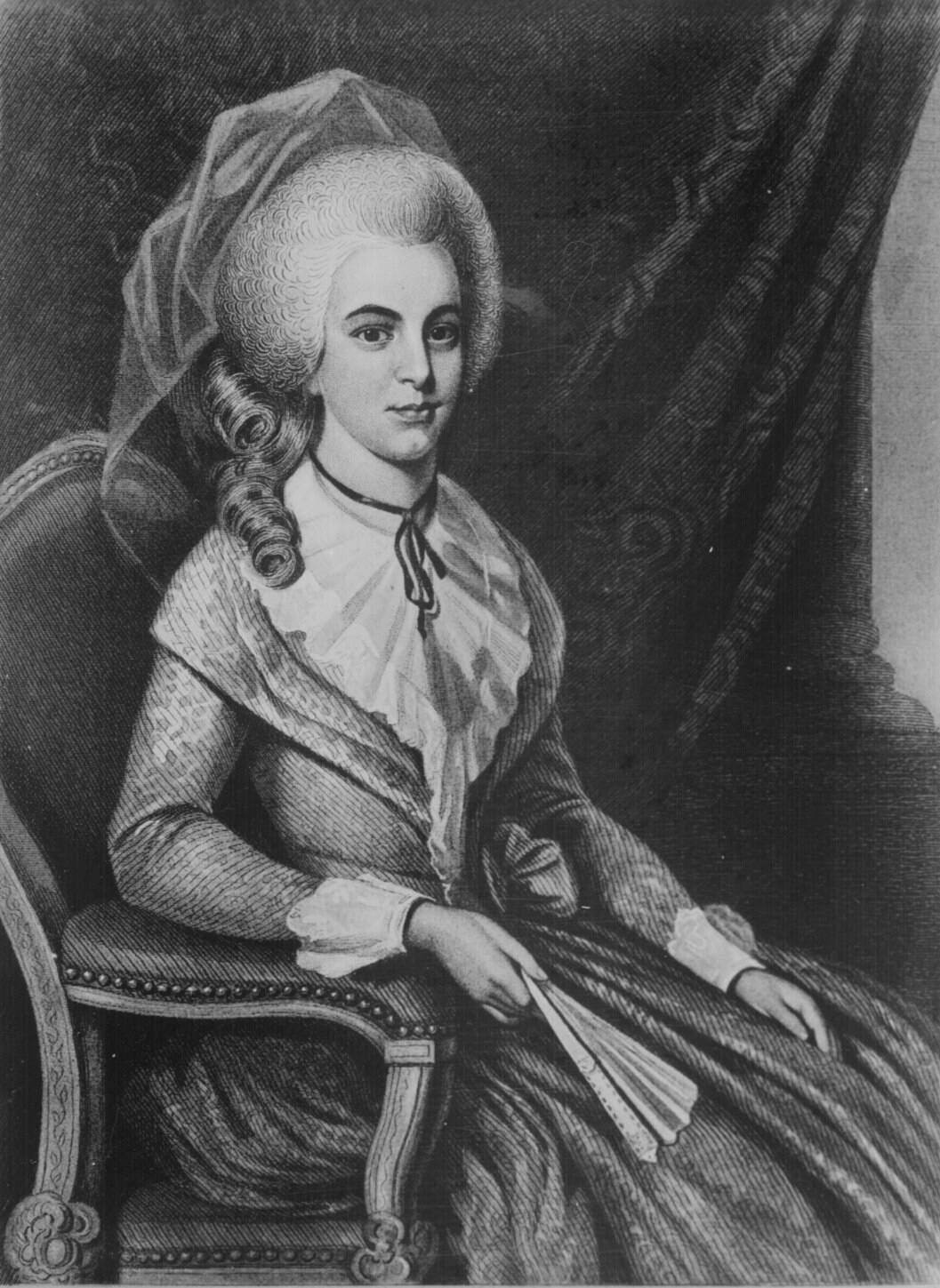
Eliza Hamilton’s civic leadership extended well beyond the Revolutionary generation’s first years. In 1806, she helped establish the New York Orphan Asylum Society to address the needs of vulnerable children in a rapidly changing society. Her work reflected the belief that communities share responsibility for one another’s well-being.
After Alexander Hamilton’s death, she devoted decades to organizing and preserving his papers, ensuring that future generations would have access to the documentary record of the founding era. In safeguarding these materials, she strengthened the nation’s historical memory.
Justice O’Connor often spoke about the importance of understanding our constitutional heritage. Eliza Hamilton’s dedication to preservation reminds us that protecting history is a civic responsibility in itself.
A Shared Legacy of Civic Responsibility
Though separated by centuries, these founding-era women and Justice Sandra Day O’Connor share a common thread: a belief that the strength of the United States depends on active citizenship, institutional stewardship, and civil dialogue.
- Martha Washington helped shape civic norms in a new republic.
- Esther De Berdt Reed organized citizens in the service of national independence.
- Dolley Madison fostered unity and preserved national symbols during a crisis.
- Eliza Hamilton built enduring institutions and safeguarded historical memory.
Justice O’Connor carried forward that tradition, championing civic education and reminding Americans that our government is not self-executing.
At the Sandra Day O’Connor Institute, we continue that work by promoting civil discourse, civic engagement, and understanding of our constitutional system. Women’s History Month is an opportunity not only to honor these leaders, but also to reflect on our own role in sustaining the institutions and values they helped build.
The American experiment has always depended on citizens willing to serve — formally and informally, visibly and behind the scenes. Their legacy challenges each of us to do the same.