
Watch or Listen
Through the Institute and its Civics for Life initiative, we offer an ever-expanding library of online conversations and debates with policymakers, authors, and thought leaders showcasing the wide variety of ideas, questions, and concerns significant to citizens. The opinions expressed do not necessarily reflect those of the Institute.
Civil | Collaborative | Fact-based | Inclusive | Non-partisan | Objective
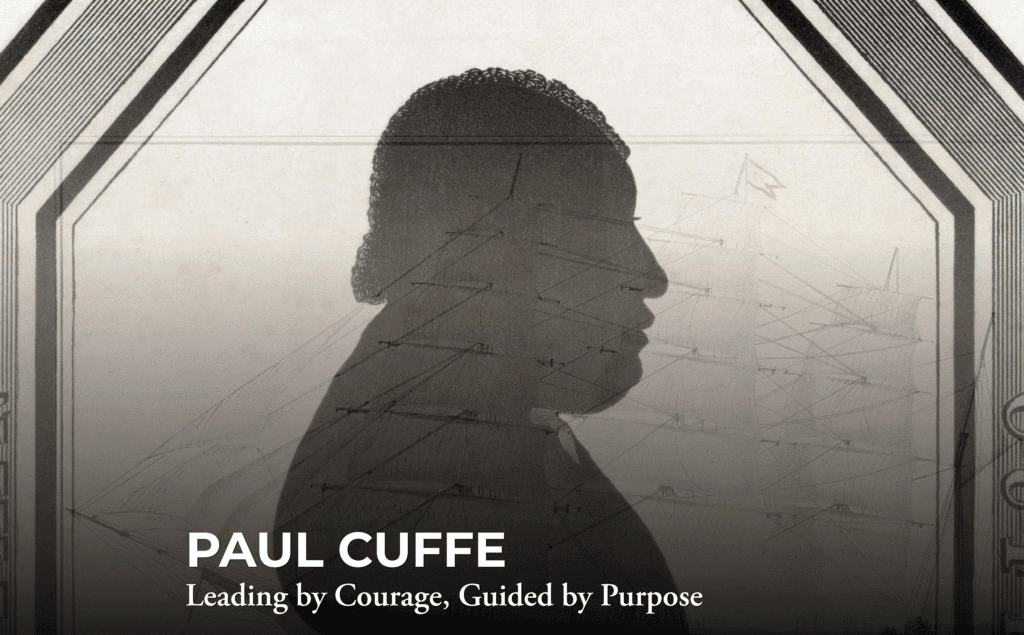
Paul Cuffe: Leading by Courage, Guided by Purpose
Paul Cuffe built a successful shipping business while advocating for education, equality, and opportunity. Discover how this entrepreneur and civic leader used commerce as a force for conscience and public good.
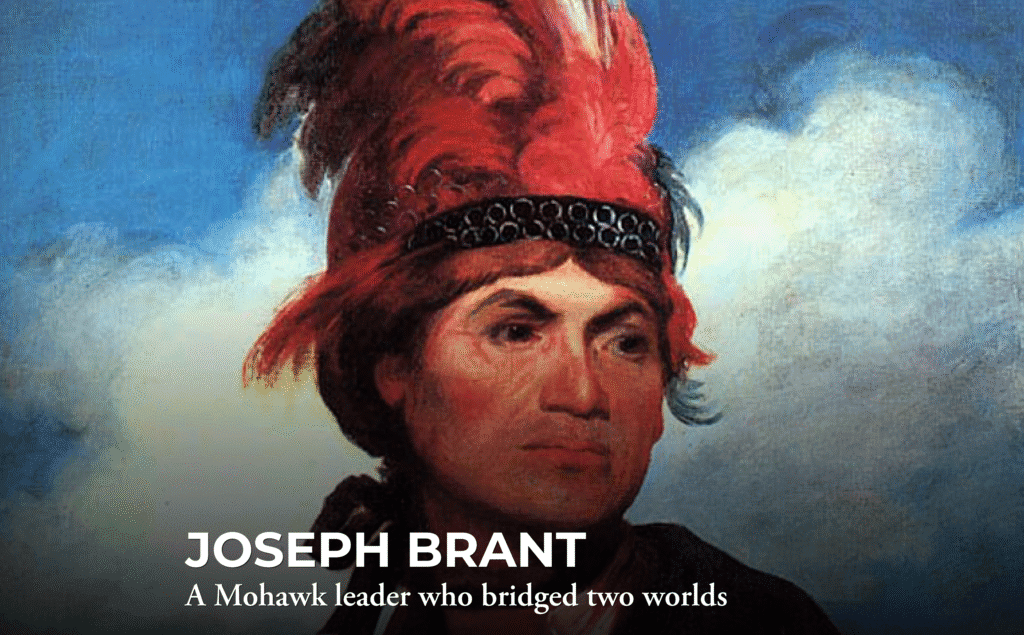
Joseph Brant: A Mohawk leader who bridged two worlds
Joseph Brant, a Mohawk leader and diplomat, navigated the challenges of revolution while fighting to protect his people’s land, alliances, and future. Discover the complex story of leadership, loyalty, and survival during America’s founding era.
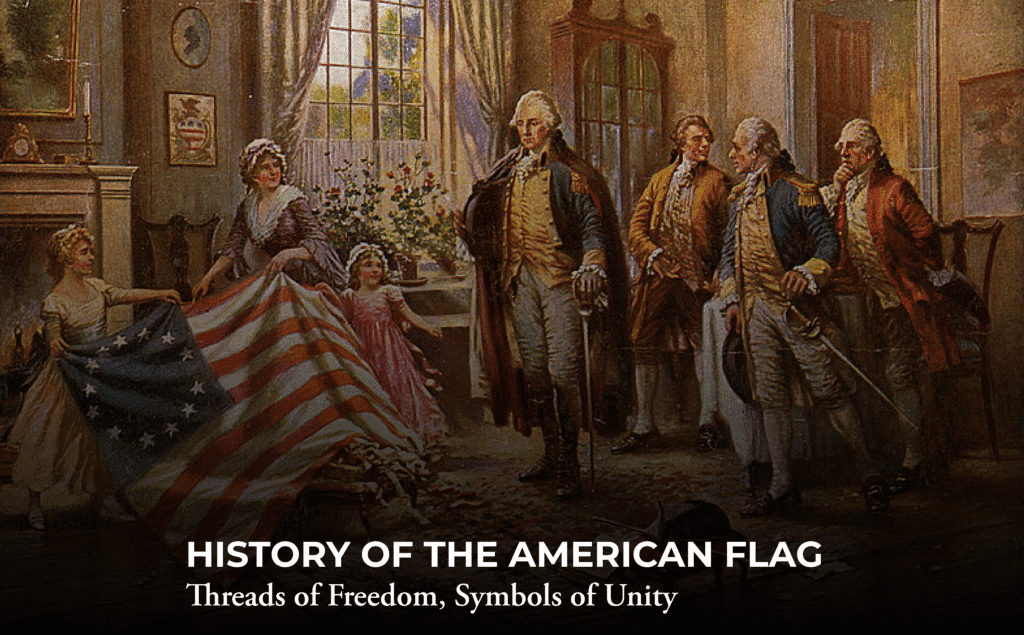
History of the American Flag – Threads of Freedom, Symbols of Unity
From the Revolutionary War to today, the American flag has evolved alongside the nation itself, reflecting its struggles, growth, and ideals. Discover the history and meaning behind one of America’s most enduring symbols.
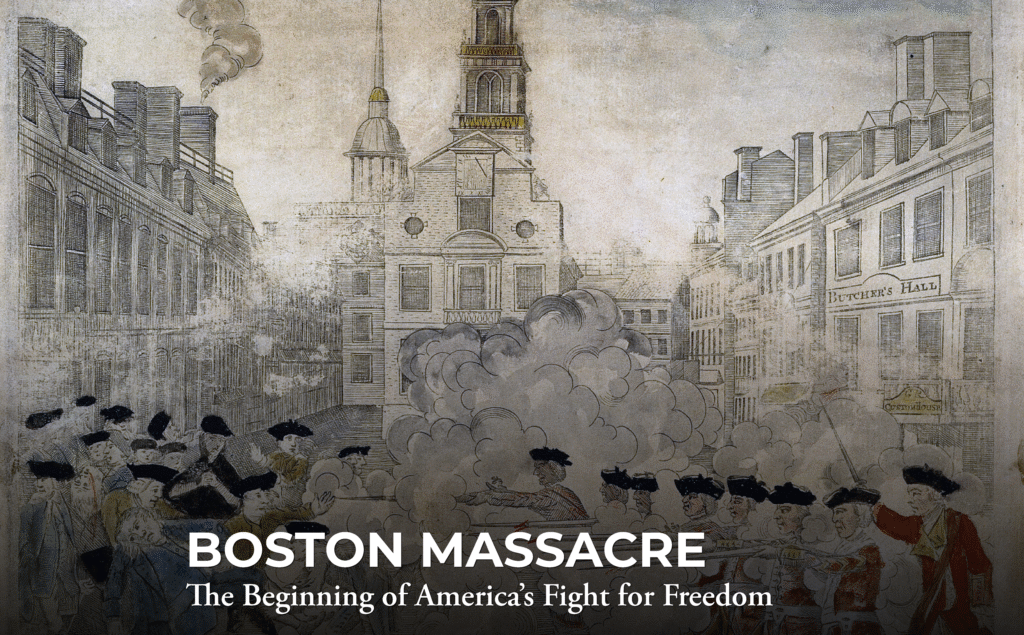
Boston Massacre: The Beginning of America’s Fight for Freedom
The Boston Massacre shocked the colonies and fueled growing anger toward British rule after five colonists were killed. Discover how one violent night helped push America closer to revolution.
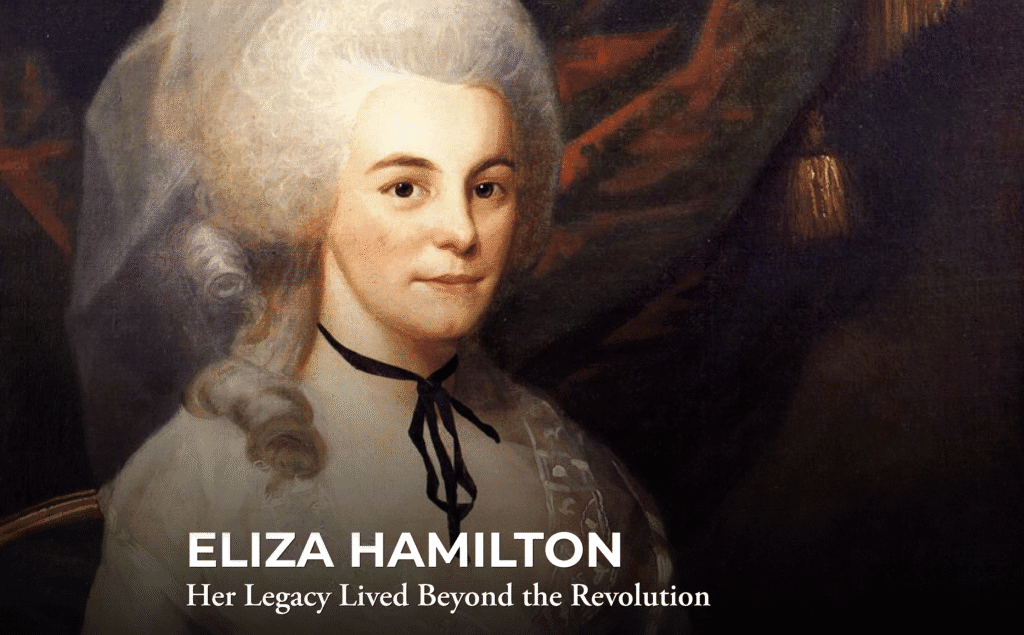
Eliza Hamilton: Her Legacy Lived Beyond the Revolution
After Alexander Hamilton’s death, Eliza Hamilton devoted her life to preserving his legacy, supporting orphans, and advancing civic service in the young republic. Discover the remarkable woman behind a lasting American legacy.
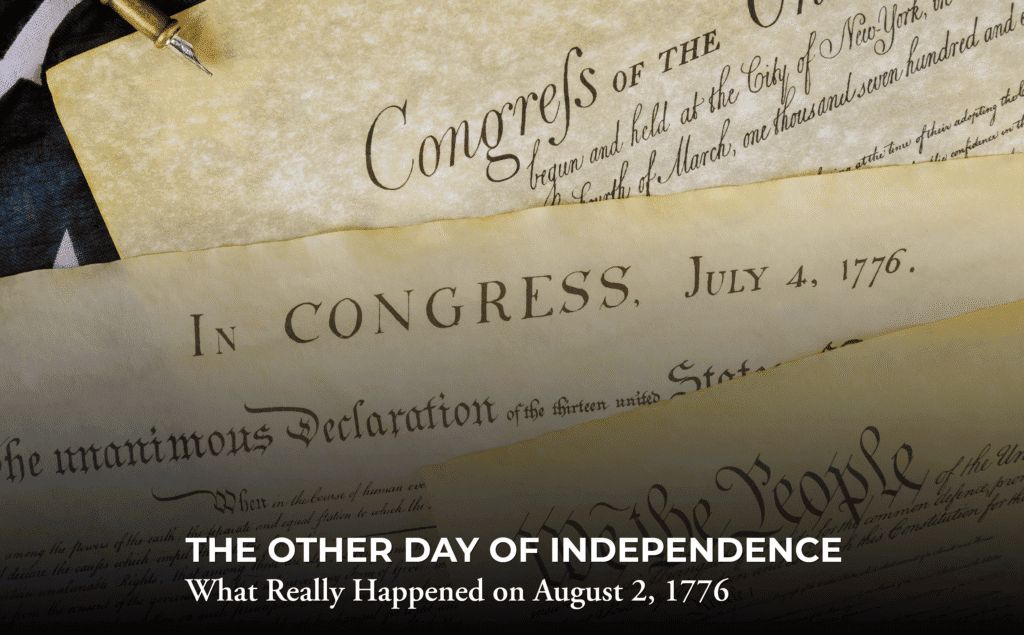
The Other Day of Independence: What Really Happened on August 2, 1776
Did you know the Declaration of Independence wasn’t complete on July 4? It took nearly a month from the vote to the final signature on this important document. Discover the forgotten turning point that helped launch a new nation.
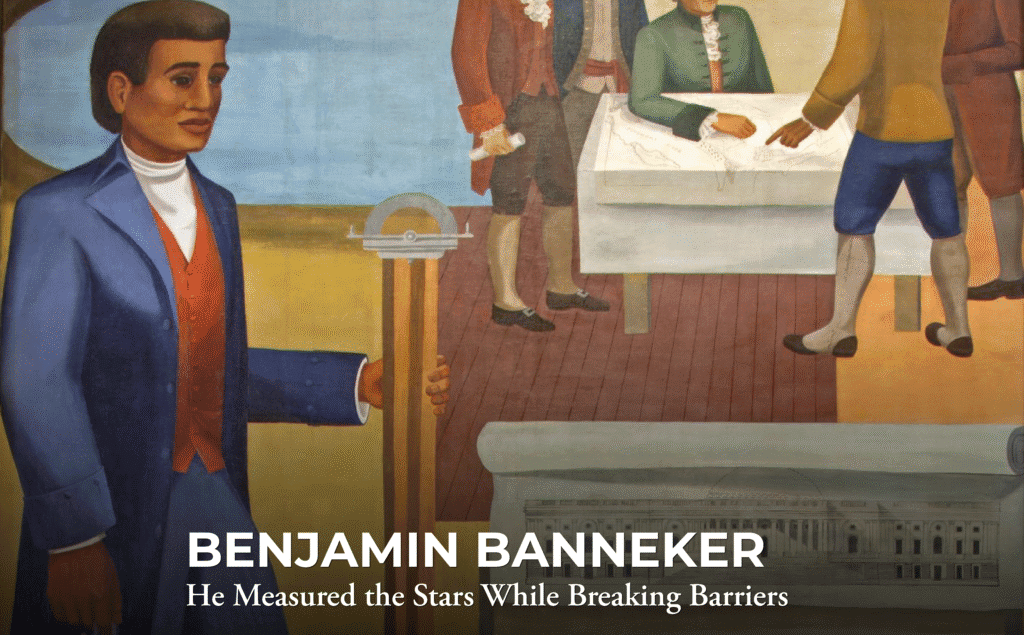
Benjamin Banneker: He Measured the Stars While Breaking Barriers
Benjamin Banneker used science, mathematics, and astronomy to challenge assumptions about race and citizenship in early America. Discover how one brilliant mind helped expand the meaning of opportunity and civic contribution.
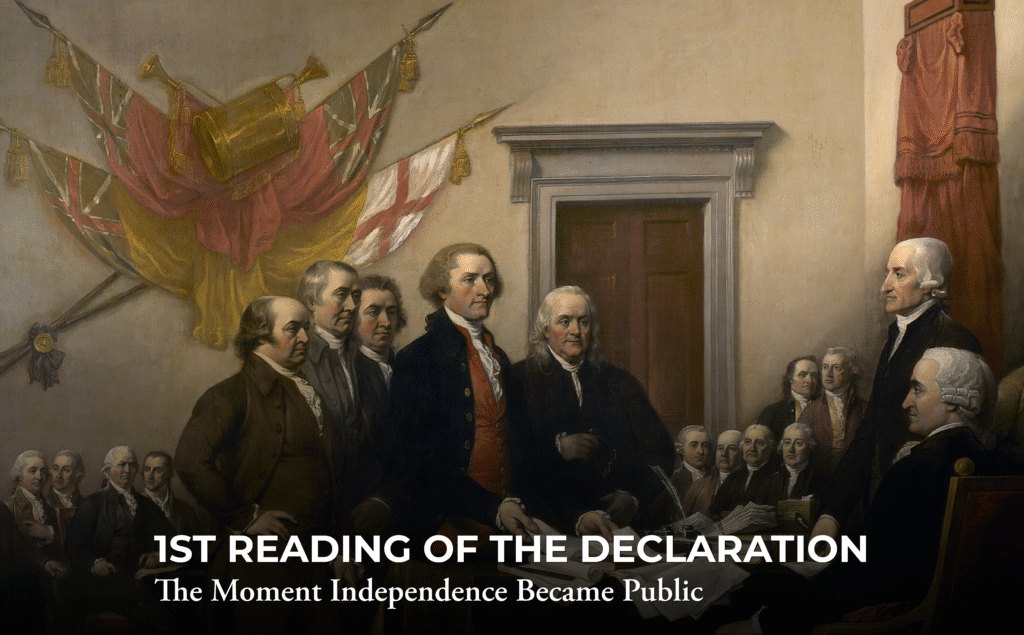
First Reading of the Declaration | The Moment Independence Became Public
On July 8, 1776, crowds gathered in Philadelphia to hear the Declaration of Independence read aloud for the first time, transforming bold words into a public call for freedom. Discover the moment a nation found its voice.
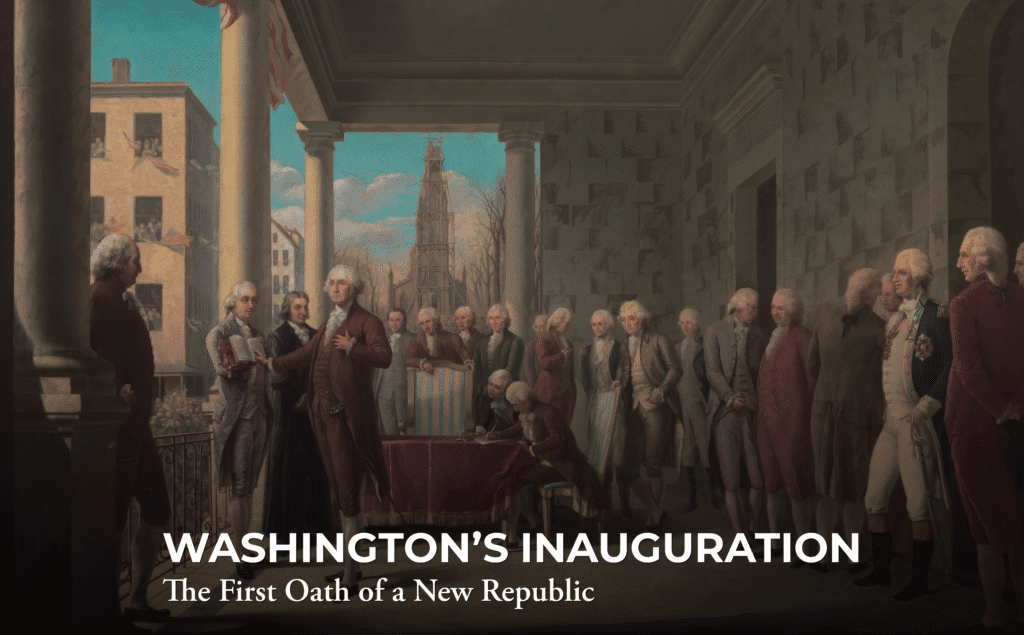
Washington’s Inauguration | The First Oath of a New Republic
In 1789, George Washington took the first presidential oath of office, setting a powerful precedent for America’s new democracy. Discover the historic moment that helped define the presidency and the nation itself.
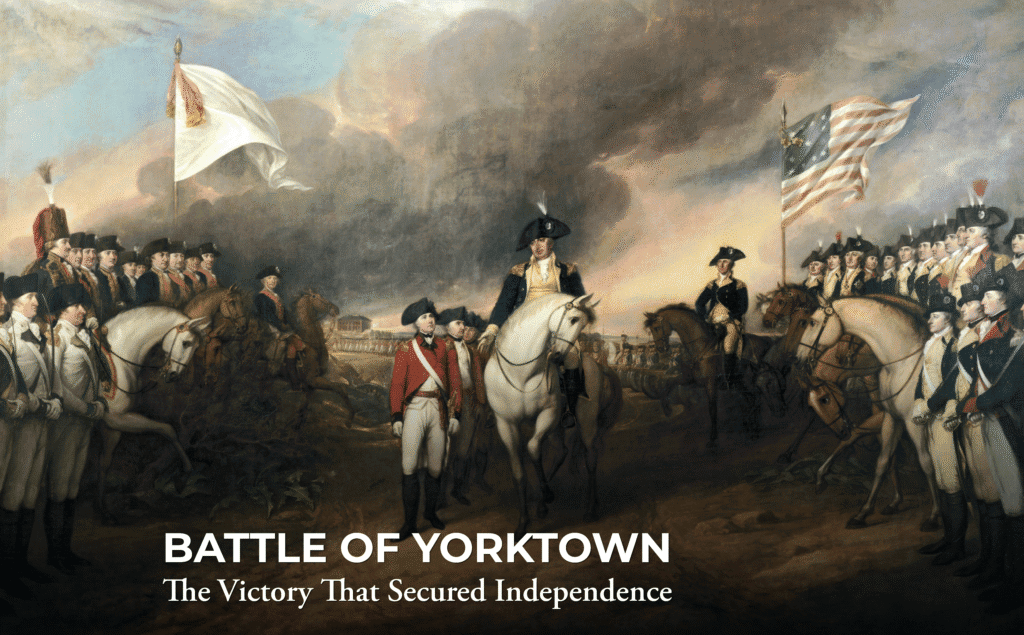
Battle of Yorktown | The Victory That Secured Independence
The Battle of Yorktown marked the decisive victory that secured American independence and changed the course of world history. Discover how strategy, alliances, and determination brought the Revolution to its turning point.
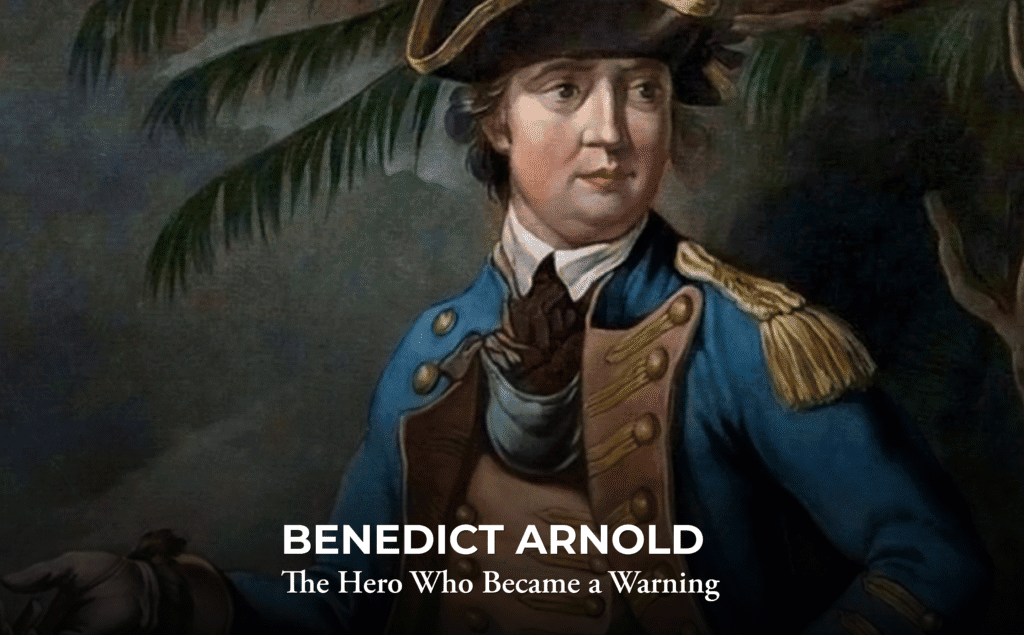
Benedict Arnold | The Hero Who Became a Warning
Benedict Arnold began the American Revolution as one of its greatest military heroes before becoming history’s most infamous traitor. Discover the dramatic story of ambition, betrayal, and a legacy forever changed.
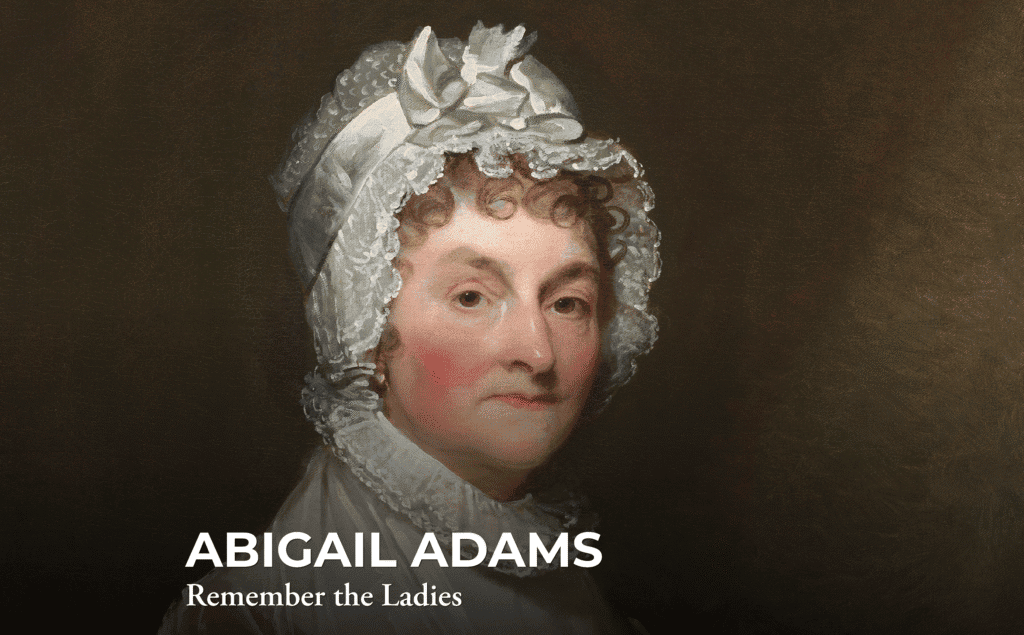
Abigail Adams | The Woman Who Told the Founders to Remember the Ladies
Abigail Adams was more than a First Lady—she was a trusted advisor, sharp political thinker, and advocate for women’s rights during America’s founding. Discover the remarkable voice behind the Revolution.
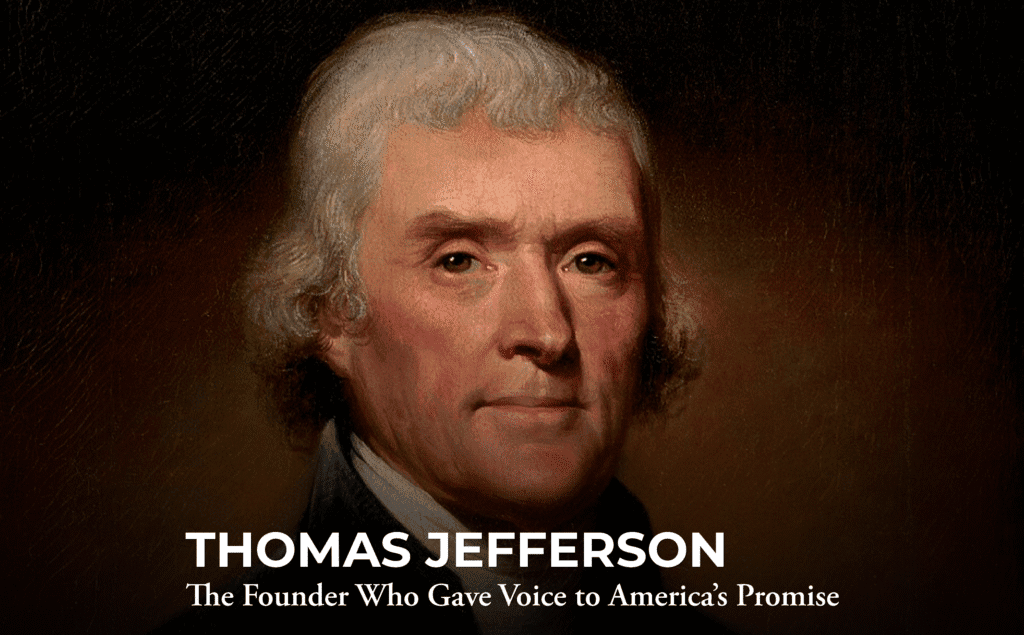
Thomas Jefferson | The Founder Who Gave Voice to America’s Promise
Thomas Jefferson penned the words that declared America’s independence, yet his life reflected the contradictions of a nation founded on liberty. Discover the complex legacy of a Founder who helped shape history.
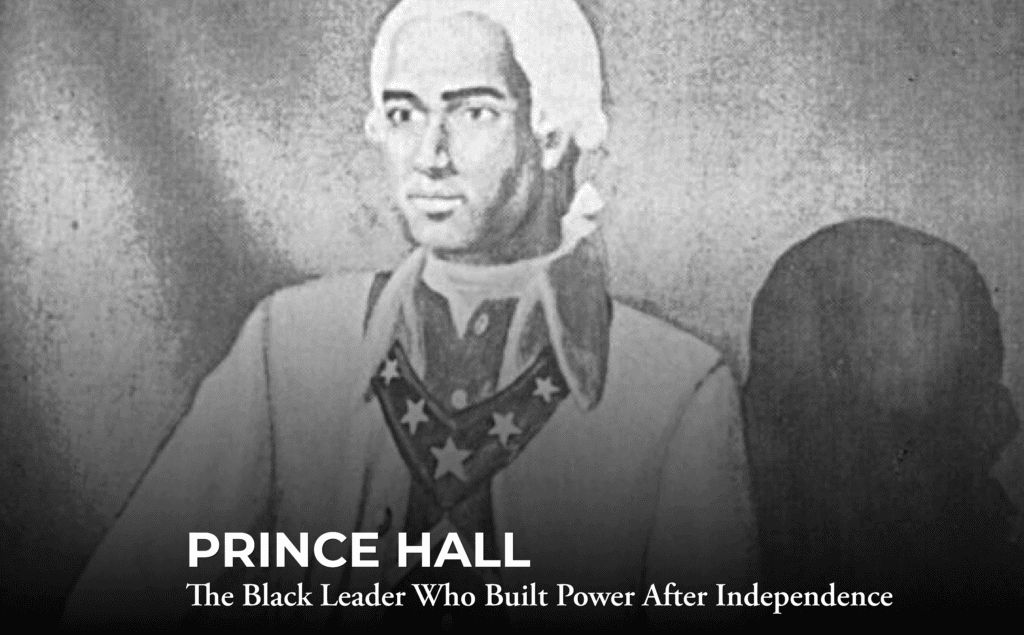
Prince Hall | The Black Leader Who Built Power After Independence
From Boston’s free Black community, Prince Hall built a legacy of civic leadership through education, petitions, and Freemasonry—proving that organized action can expand liberty and opportunity. Discover his lasting impact on American democracy.
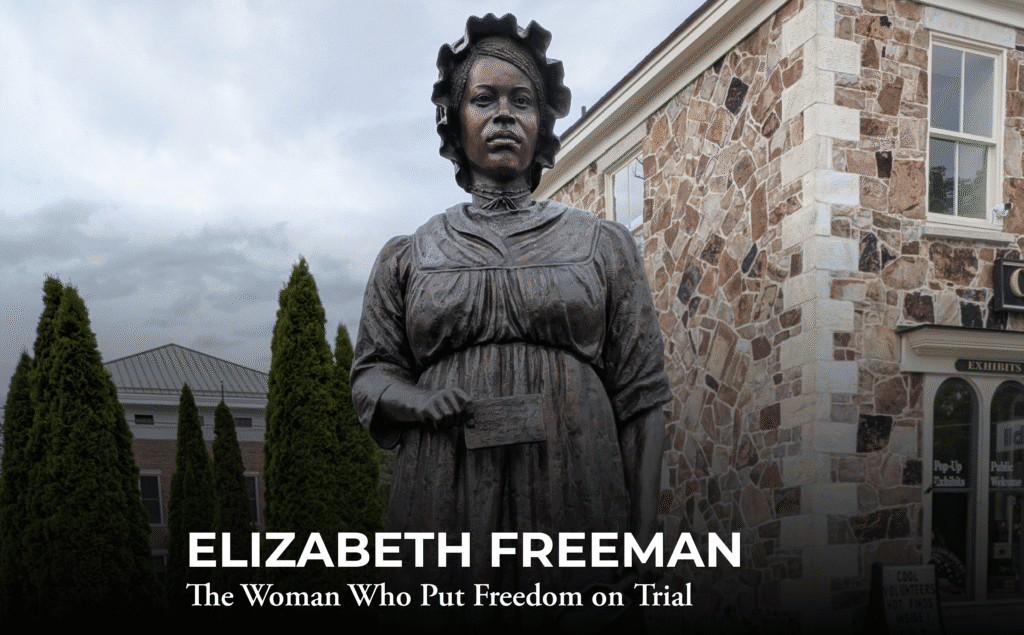
Elizabeth Freeman | The Woman Who Put Freedom on Trial
In colonial Massachusetts, Elizabeth Freeman used the law to claim her freedom, proving that the ideals of the Revolution applied to all people. Discover how one courageous court case helped challenge slavery and redefine liberty.