Black History Month offers an opportunity not only to reflect on history but also to deepen our understanding of civic participation in the United States. As the nation approaches its 250th anniversary, looking back at the earliest chapters of American civic life reveals the many ways Black Americans contributed to the development of institutions, laws, education, commerce, and community leadership. These stories help broaden the narrative of the founding era while reinforcing timeless civic principles that continue to shape public life today.
Through the Sandra Day O’Connor Institute’s Civics for Life website, we share features of individuals whose actions demonstrate how civic engagement has long taken many forms. From military service and constitutional rights to scientific inquiry and entrepreneurship, these leaders show that civic participation has always been multifaceted and evolving. Together, their stories help learners of all ages see that civics is not only about government structures, but also about how individuals use available tools to shape their communities.
Civic Participation Through Service and Petition: Prince Hall
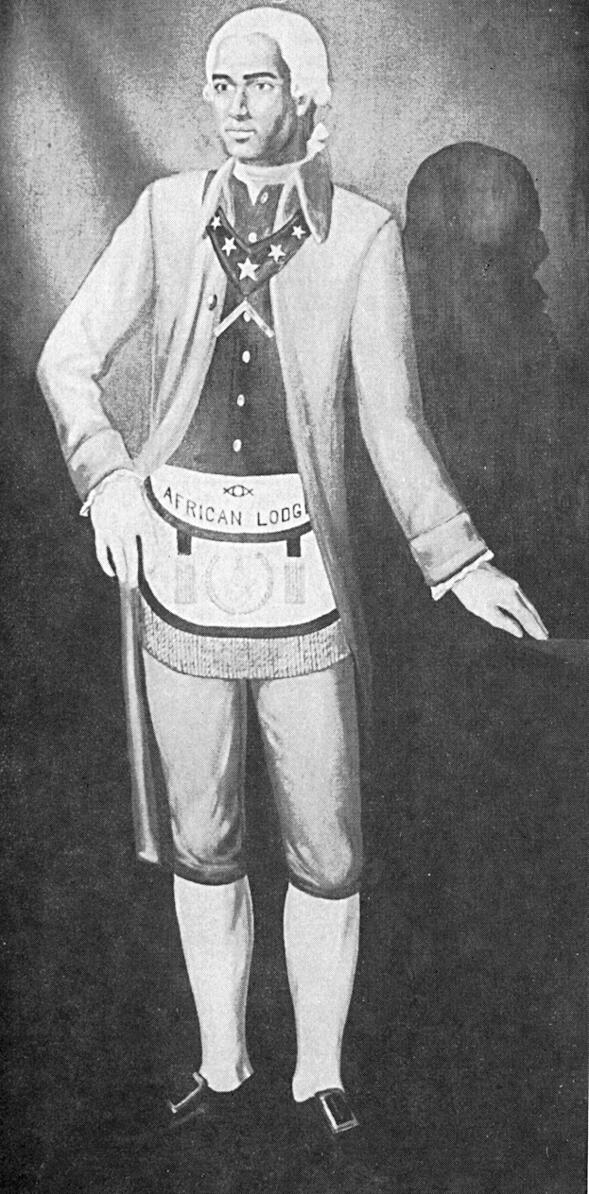
The first spotlight often begins with Prince Hall, a Revolutionary War veteran and early civic leader. Hall’s life illustrates how participation in civic institutions was central to the nation’s earliest years. He served in the Continental Army and later became known for advocating for education and voting rights. Importantly, he used formal petitions to the Massachusetts legislature to seek change—a practice deeply rooted in the founding-era civic process.
Prince Hall’s story highlights several enduring civic themes: the importance of lawful participation in government, the relationship between military service and citizenship, and the power of organized civic engagement. His actions demonstrate that even in the earliest years of the republic, individuals engaged with established institutions to pursue inclusion and societal improvement. As America approaches its semiquincentennial, Hall’s legacy reminds us that civic engagement has long been a pathway for dialogue and advancing our nation's progress.
Constitutional Rights in Action: Elizabeth Freeman
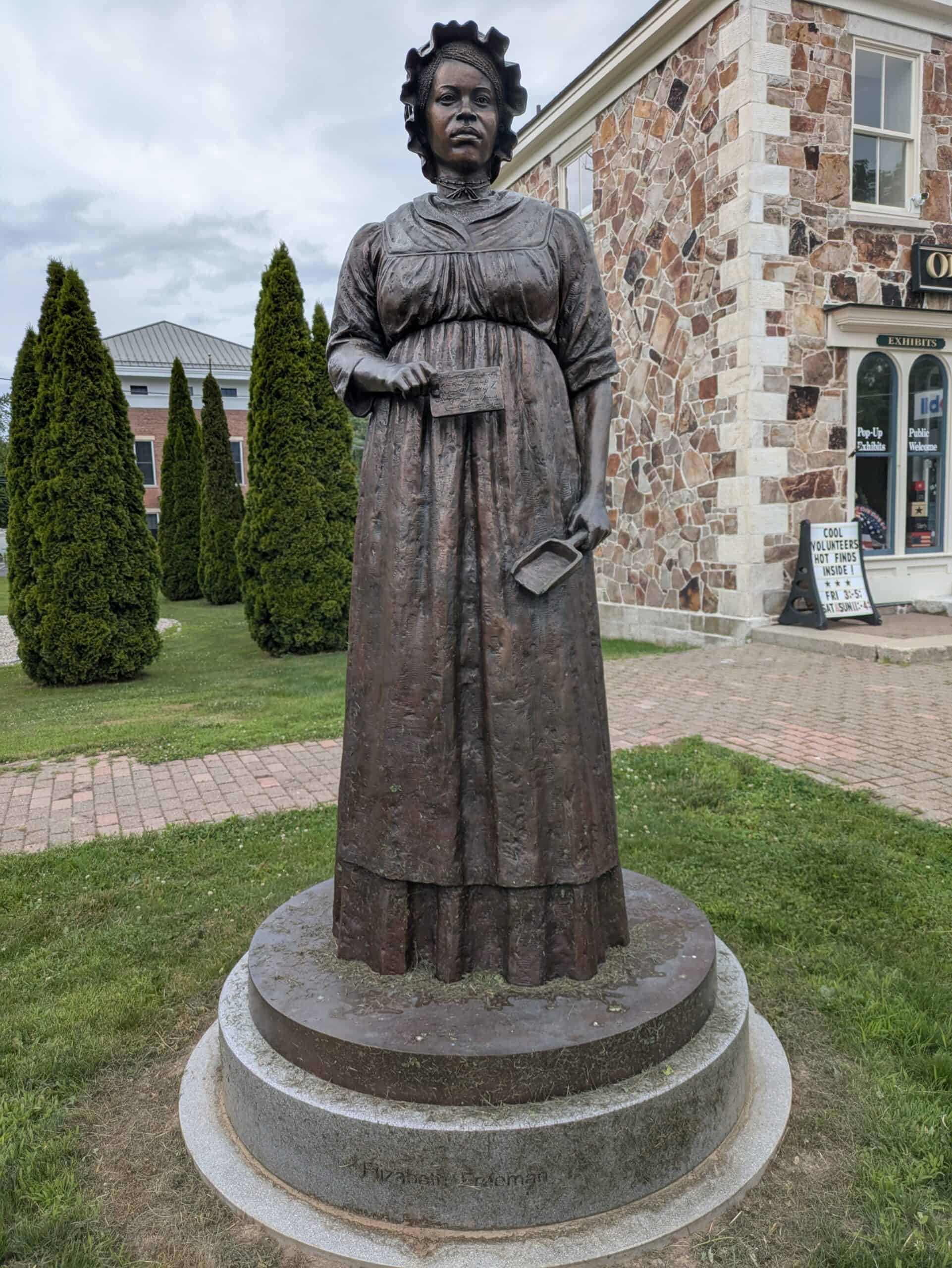
Transitioning from civic petitions to the Constitution, the story of Elizabeth Freeman — also known as Mum Bett — shows how the founding documents were applied in real life. Freeman successfully sued for her freedom in Massachusetts, relying on the state constitution’s declaration that “all men are born free and equal.” Her legal case contributed to the eventual end of slavery in the state and demonstrated the judiciary’s growing role in shaping society.
Elizabeth Freeman’s experience underscores the rule of law and the power of the Constitution. Her case reveals that early American civics was not abstract; it involved real people testing the meaning of rights and responsibilities in courtrooms and communities. By examining Freeman’s life, learners gain insight into how the judicial system functions and how the legal system influences social development. Her story is a clear example of how our foundational documents continue to guide civic understanding.
Knowledge and Public Service: Benjamin Banneker
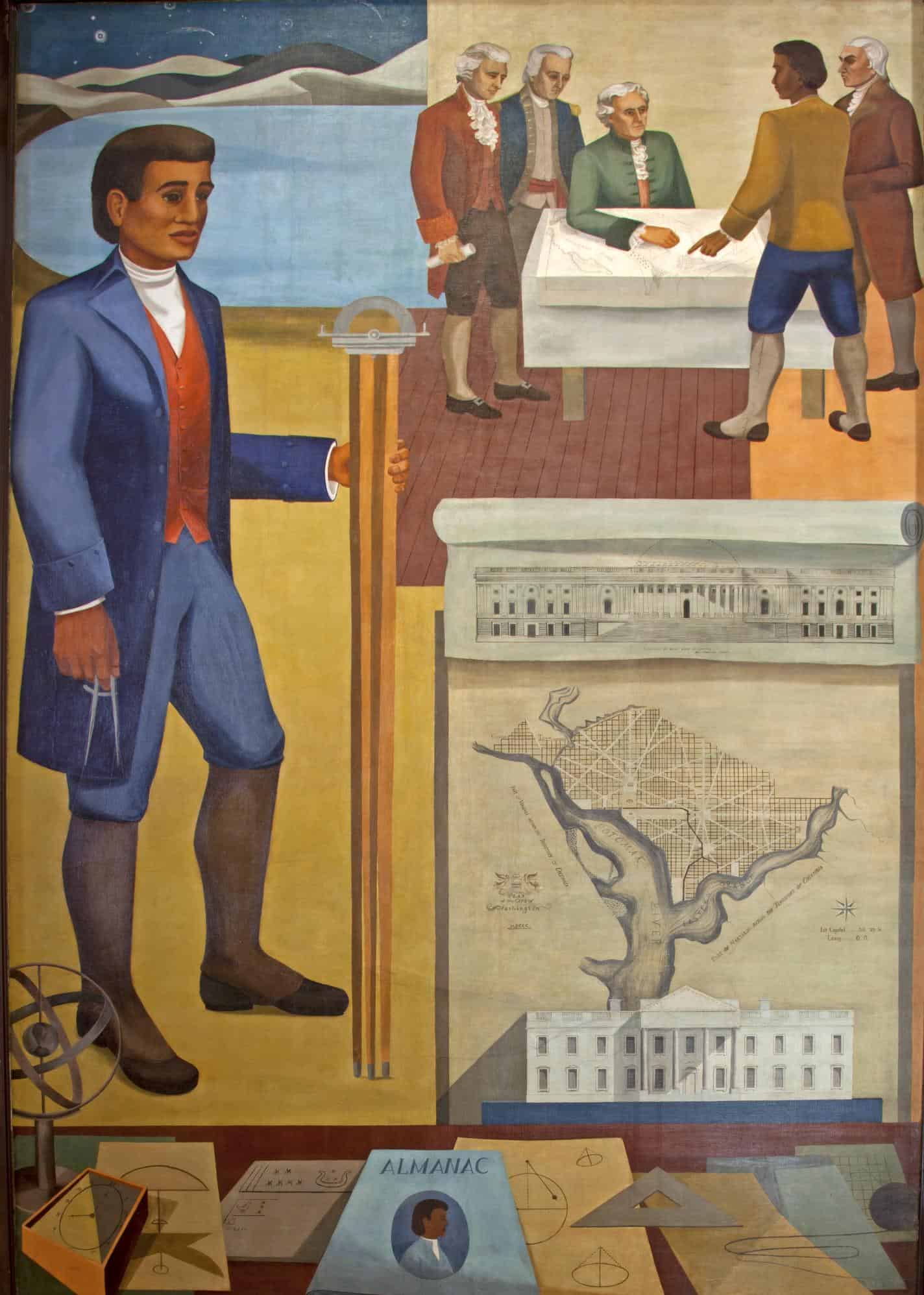
While some leaders shaped civics through law and advocacy, others contributed through science and education. Benjamin Banneker, a self-taught mathematician and astronomer, played a role in surveying the land that would become Washington, D.C. His correspondence with Thomas Jefferson on liberty and equality further demonstrates the importance of reasoned dialogue in a republic.
Banneker’s legacy connects civic life, intellectual inquiry, and public service. His achievements illustrate that education and innovation have long been civic assets, supporting infrastructure, planning, and communication in the early United States. By highlighting Banneker during Black History Month, the Civics for Life series emphasizes that civic contribution can emerge from many disciplines — not only politics or law, but also science, mathematics, and scholarship. His story reinforces the founding belief that knowledge and participation are closely linked.
Commerce, Education, and Community Investment: Paul Cuffe
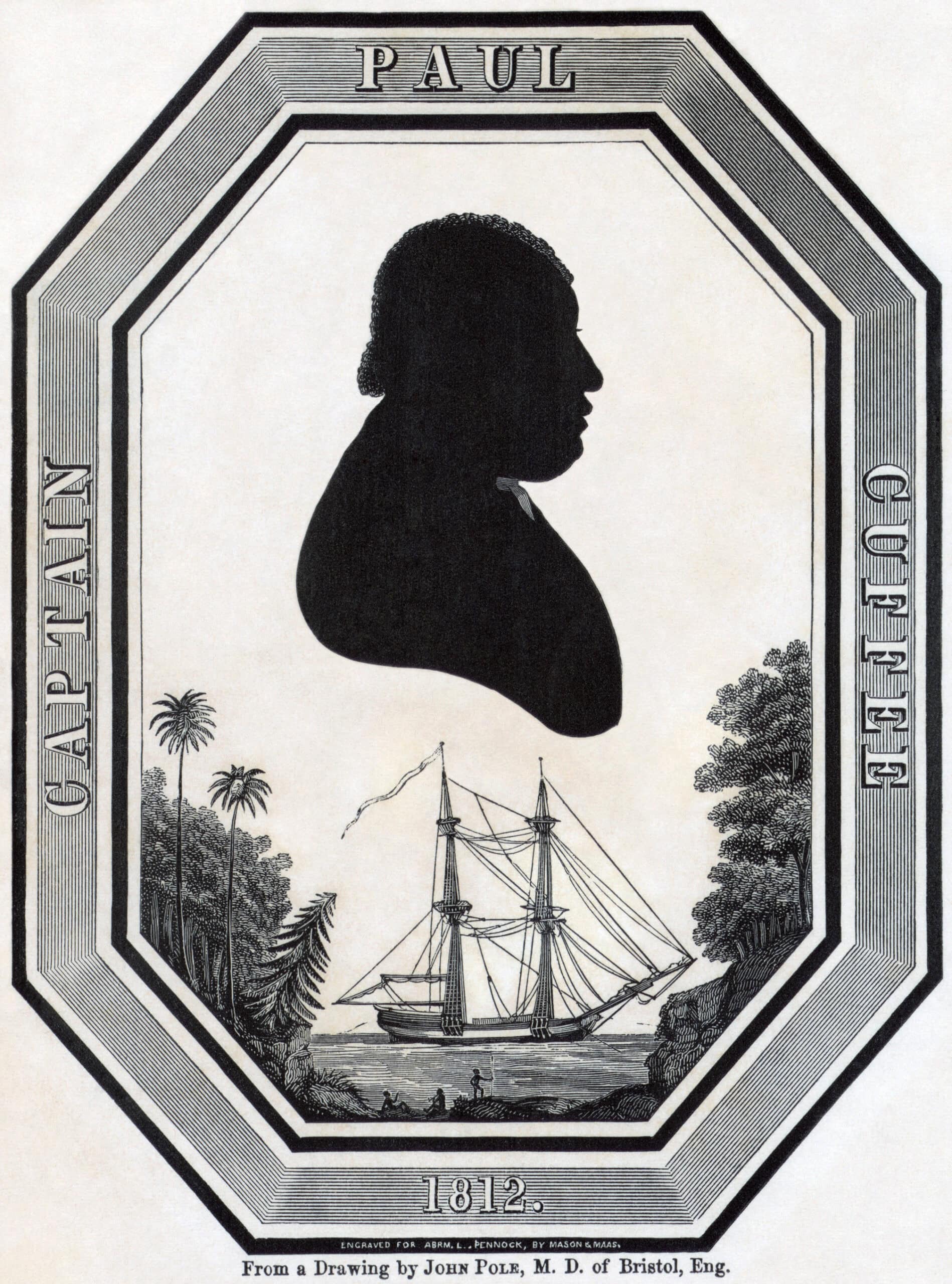
Rounding out the monthly spotlights, Paul Cuffe represents the intersection of economic participation and civic engagement. A successful shipowner and advocate for education, Cuffe operated within early American maritime trade while promoting opportunity and community investment. His work illustrates how commerce and entrepreneurship contributed to the growth of the young republic.
Cuffe’s life highlights free enterprise, educational empowerment, and long-term community development as civic themes. Economic participation was not separate from civic life; it was one of its driving forces. By building businesses and supporting learning, Cuffe demonstrated that civic leadership can also take the form of strengthening local economies and expanding access to opportunity. His story shows how financial independence and civic inclusion often move forward together.
Connecting Past and Present Civic Learning
Taken together, these Black History Month civic spotlights offer a broader and more inclusive understanding of the founding era. They reveal that early American civics was shaped by individuals working in courts, classrooms, legislatures, military service, and marketplaces. Each story reflects a different pathway into civic participation while reinforcing shared principles such as lawful engagement, education, dialogue, and community investment.
For educators, students, and lifelong learners, these narratives provide accessible entry points into civic education. They also serve as a reminder that civic learning is not limited to a single month. Instead, it is an ongoing process of exploring history, examining institutions, and understanding how individuals contribute to public life. As the United States nears its 250th anniversary, revisiting these stories encourages reflection on both continuity and change — and on the many ways civic participation has shaped the nation from its earliest days to the present.