Celebrating Civics Learning Week 2026
On June 24, 2004, Justice Sandra Day O'Connor returned to Stanford University—the school where she had graduated near the top of her law class in 1952, where she had received one job offer: as a legal secretary—and delivered the commencement address.
She opened with a poem. It described an old man who had crossed a river through a deep canyon and stopped, at the end of his journey, to build a bridge across it. A fellow traveler asked why—he would never pass this way again. The old man's answer was the throughline of everything she said that morning. From "The Bridge Builder" by Will Allen Dromgoole:
"There followeth after me today a youth whose feet must pass this way. This chasm that has been naught to me to that fair-haired youth may a pitfall be. He, too, must cross in the twilight dim; good friend, I am building the bridge for him."
Justice O'Connor closed with a charge to the graduates that was really a charge to everyone: "I don't know what the future holds, but I know who holds the future: It is you."
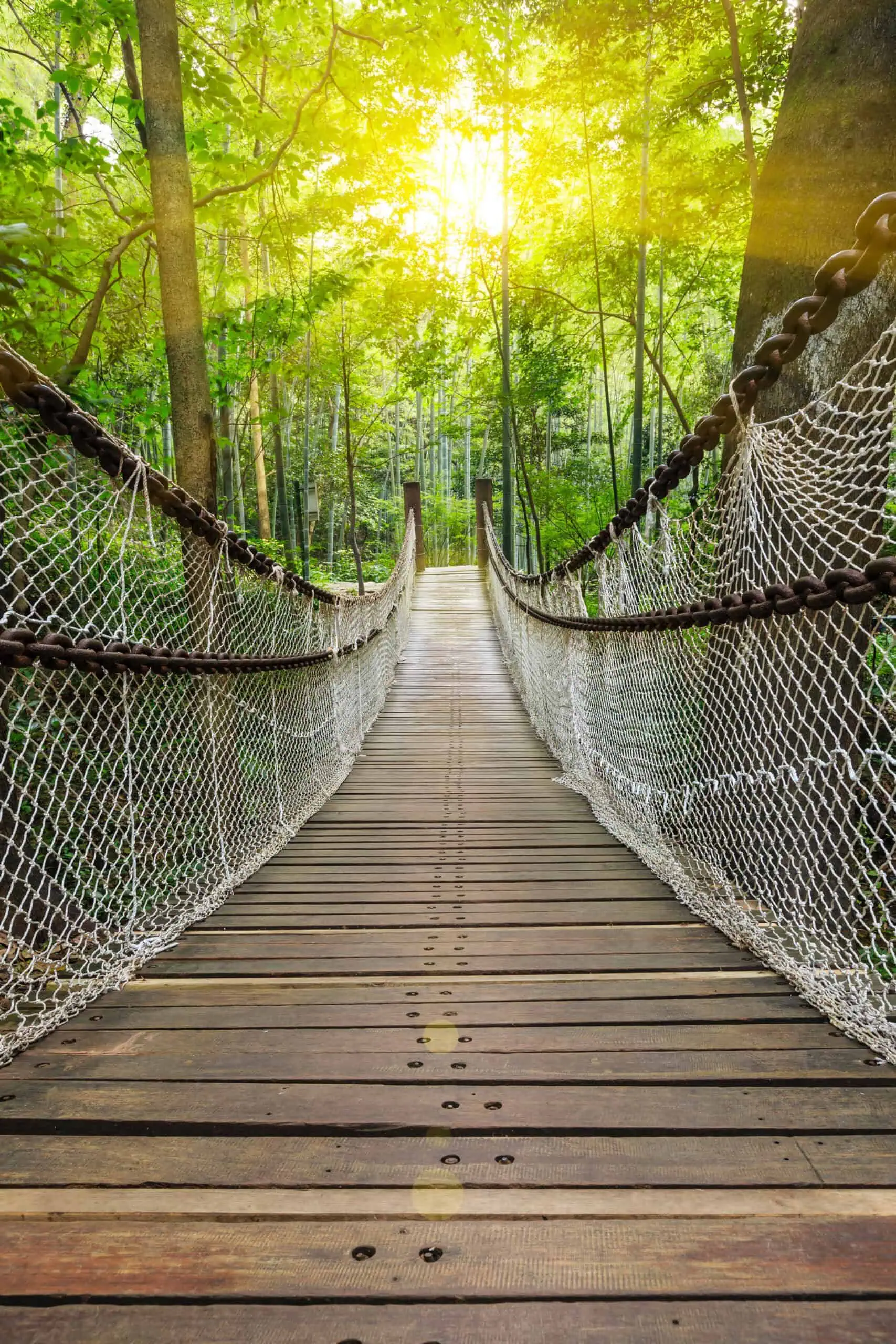
What Bridge Building Looks Like
Justice O'Connor spent that 2004 commencement address tracing the history of bridge builders: people who gave of themselves not for immediate reward but for those who would come after. She talked about the lawyers who spent years building the legal foundation for Brown v. Board of Education, not knowing when or whether they would see their work completed. She talked about the quiet sacrifices of public service. She talked about the understanding that you are part of something bigger than yourself.
"A single generation of public servants cannot bridge all the gaps of inequality and injustice," she told the graduates. "But if we focus our energies on sharing ideas, finding solutions and using what is right with America to remedy what is wrong with it, we can make a difference."
She wasn't just describing a philosophy. She was describing how she had lived.

The Institute as Bridge
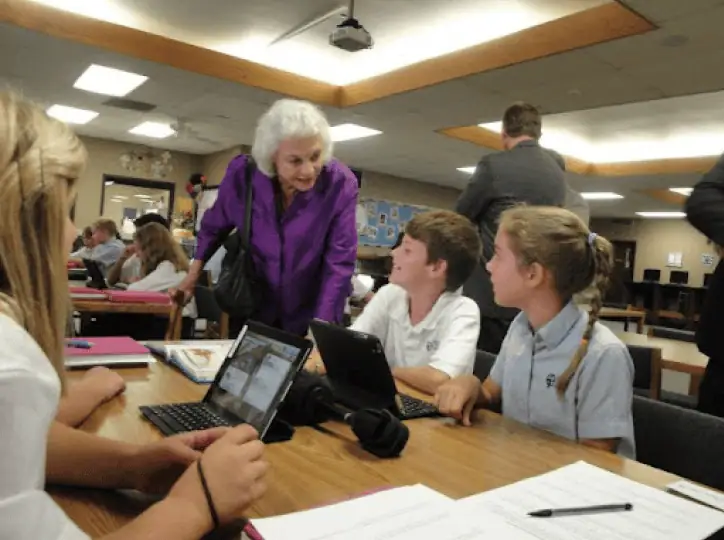
Justice O'Connor founded the Sandra Day O'Connor Institute in 2009, three years after leaving the Supreme Court. The programs the Institute has developed since then are bridge-building in exactly the sense she described at Stanford: work done for those who come after, by people who understand they are part of something larger than themselves.
This week, we've paired her words with that work. Her belief that young people need civic knowledge to participate. Her insistence that public discourse must be civil to function. Her conviction that self-governance must be learned, not inherited. Her witness to how far women's civic participation has come and how much further it can go.
And today: her reminder that the bridges we build are not for us. They are for the people who come after.
Civics for Life is one of those bridges—a free, national platform for civic education, civil discourse, and civic engagement, open to anyone at any age. The SDOI Digital Library is another: Justice O'Connor's full body of work, preserved and publicly accessible so her voice remains part of every future conversation about democracy.
The week ends. The bridges stay.

Read All the Civic Learning Week 2026 Essays