
A New Podcast Series
Before It Became History, a podcast series from the Sandra Day O’Connor Institute, explores the people and moments that shaped the American story. Each episode looks beyond the legend to examine the decisions, conflicts, and ideas that tested the promise of liberty and helped define our democracy.
Before they were names in history books, they were organizers, poets, spies, diplomats, soldiers, and citizens making impossible choices in uncertain times.
Before they were events we study and reference today, they were the stories shared between neighbors, written about in newspapers, or broadcast over the radio and eventually television.
This is history before it hardened into memory — and a conversation about what it means for us now.
Explore the Stories!
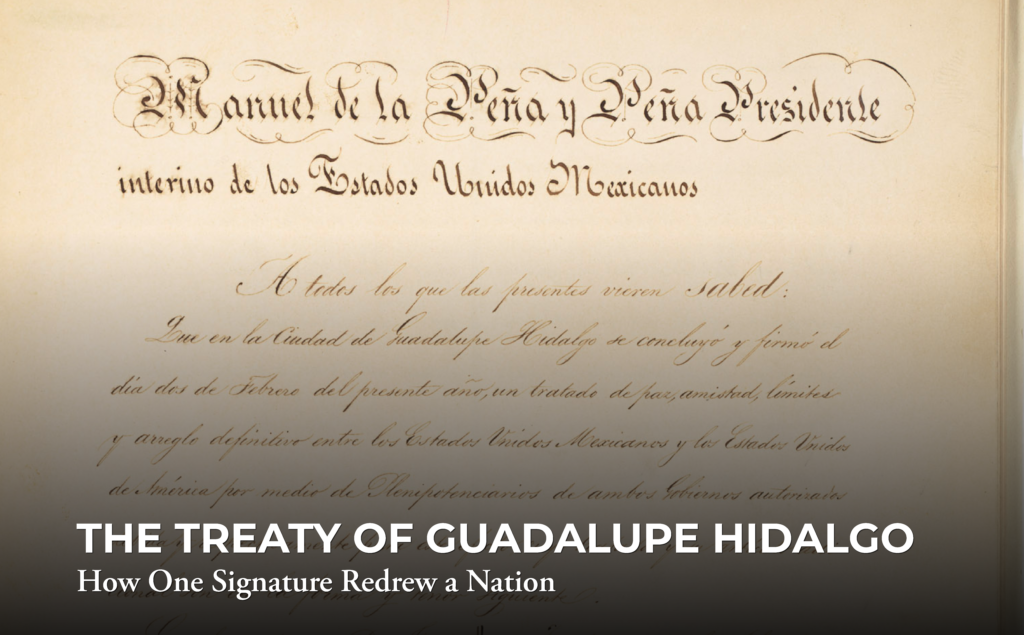
The Treaty of Guadalupe Hidalgo: How One Signature Redrew a Nation
In 1848, a single treaty ended a war, handed the U.S. half of Mexico’s land, and promised citizenship rights that weren’t kept. Join us as we unpack the Treaty of Guadalupe Hidalgo — the deal that redrew America’s borders and its future.
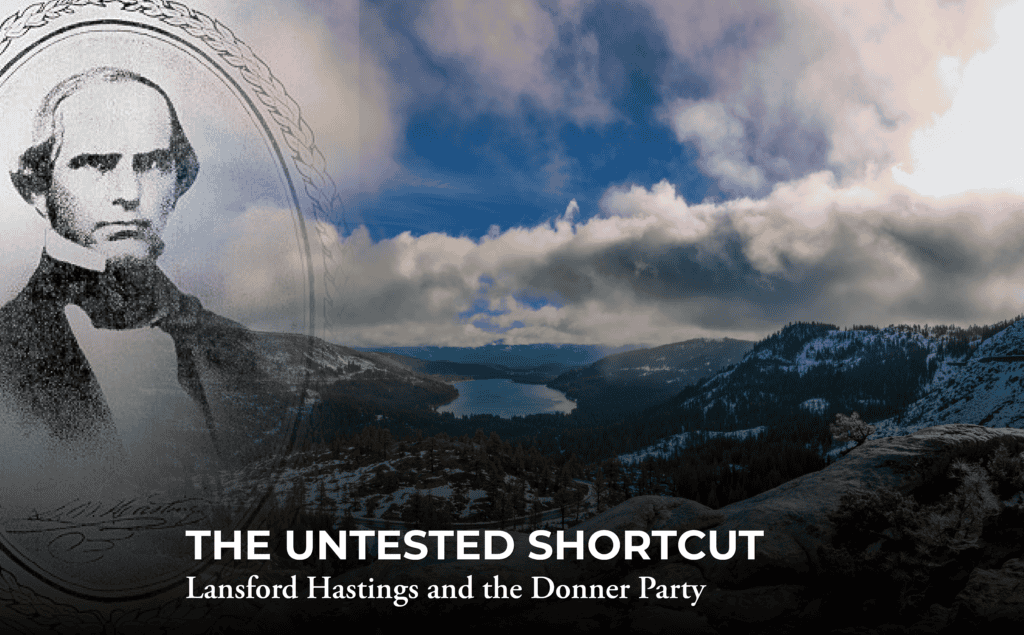
The Untested Shortcut: Lansford Hastings and the Donner Party
In 1845, Lansford Hastings published a guidebook promoting a California shortcut he’d never traveled. In 1846, he urged wagon families onto it anyway. The Donner-Reed Party followed — and paid the price in the Sierra snow.
Tamsen Donner: A Voice Before the Disaster
Tamsen Donner wrote home from the trail in 1846, months before catastrophe struck her party in the Sierra snow. Her letters, and Patrick Breen’s diary from the winter camp, offer a rare, unvarnished record of what really happened.
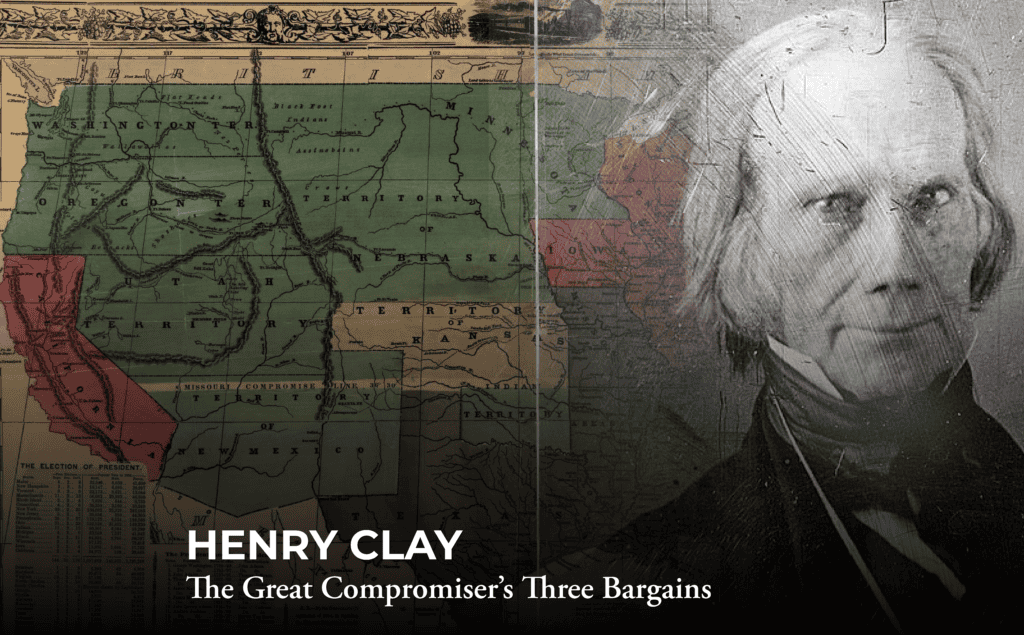
Henry Clay: The Great Compromiser’s Three Bargains
Henry Clay brokered three major deals — the Missouri Compromise, the 1833 tariff truce, and the Compromise of 1850 — that held the Union together each time. But every bargain postponed the real fight instead of resolving it.
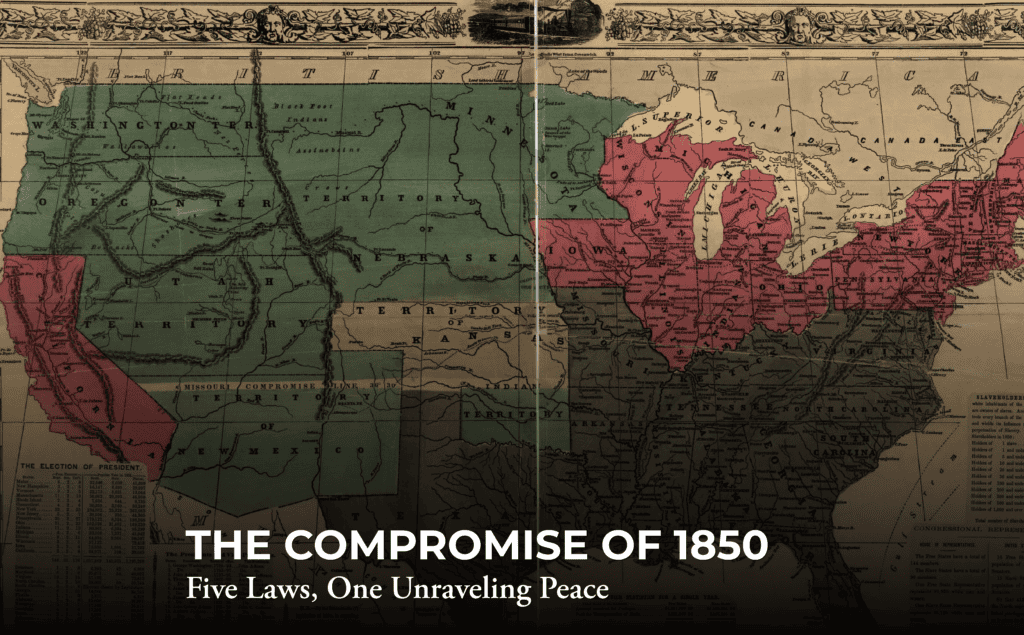
The Compromise of 1850: Five Laws, One Unraveling Peace
In 1850, Congress tried to defuse a crisis over California, slavery, and the Mexican Cession with five separate laws. One of them — a harsh new Fugitive Slave Act — didn’t calm the nation. It pushed it closer to civil war.
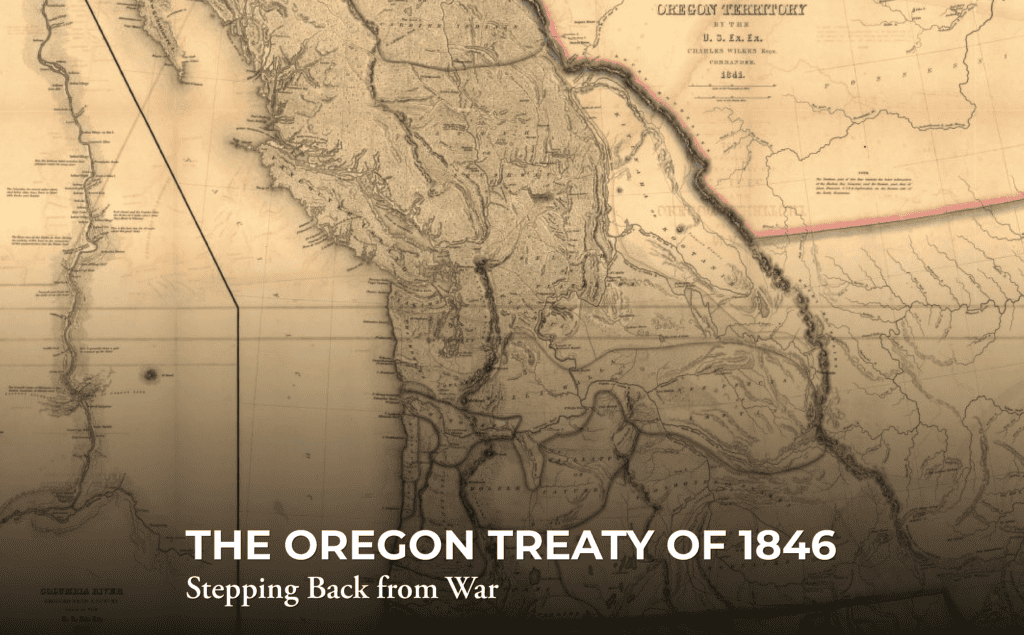
The Oregon Treaty of 1846: Stepping Back from War
The U.S. and Britain nearly went to war over Oregon. Instead, in 1846 they drew a line at the 49th parallel, settling a decades-old border dispute — while leaving Indigenous nations’ sovereignty over that same land completely unaddressed.
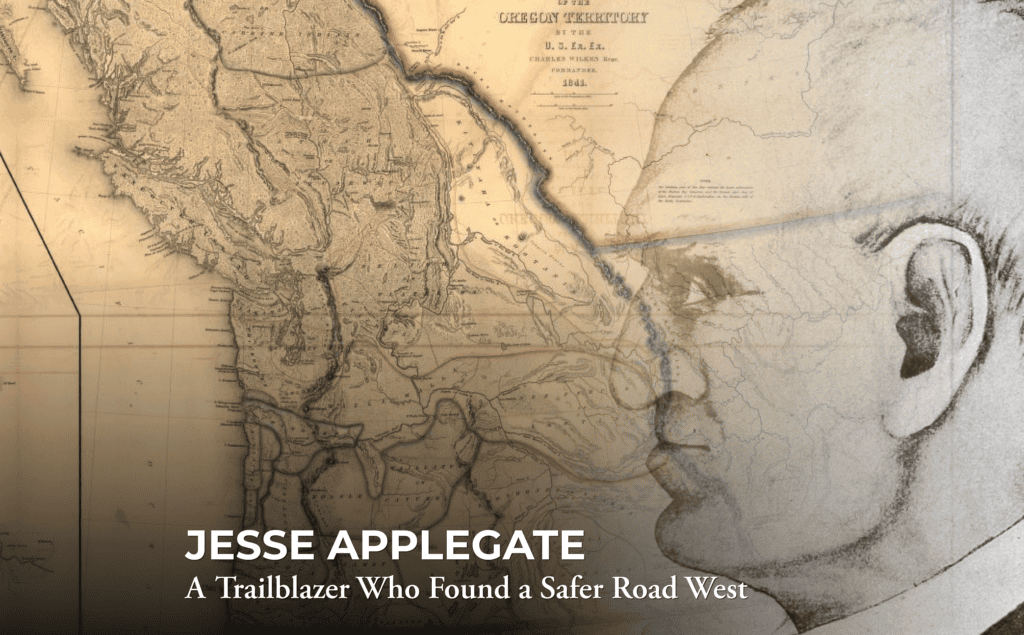
Jesse Applegate: A Trailblazer Who Found a Safer Road West
Jesse Applegate isn’t a household name like Lewis and Clark. But after losing his son on the Oregon Trail in 1843, this surveyor blazed a safer road west and helped write the laws of a territory two nations were still fighting over.
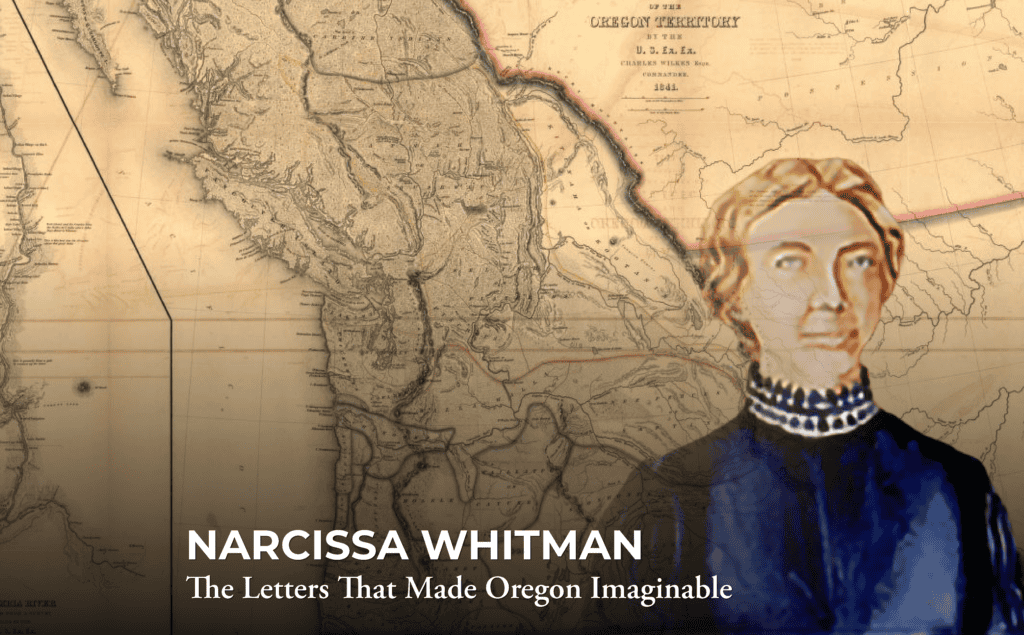
Narcissa Whitman:The Letters That Made Oregon Imaginable
She’s often called “the first woman to cross the Rockies” — but that’s not quite right. Narcissa Whitman’s real legacy is her letters, which made Oregon feel imaginable to eastern readers, even as her mission helped set the stage for tragedy.
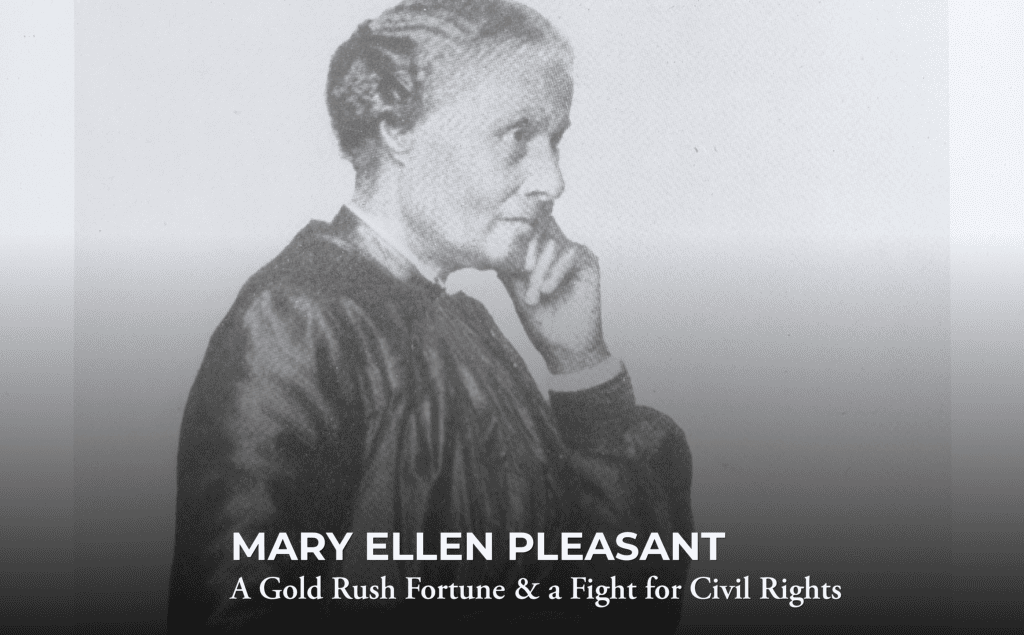
Mary Ellen Pleasant: A Gold Rush Fortune and a Fight for Civil Rights
Mary Ellen Pleasant built a fortune in Gold Rush San Francisco through business savvy, backed abolitionist causes, and fought racial exclusion in court. Discover the story of a formidable entrepreneur who shaped California civil rights history.
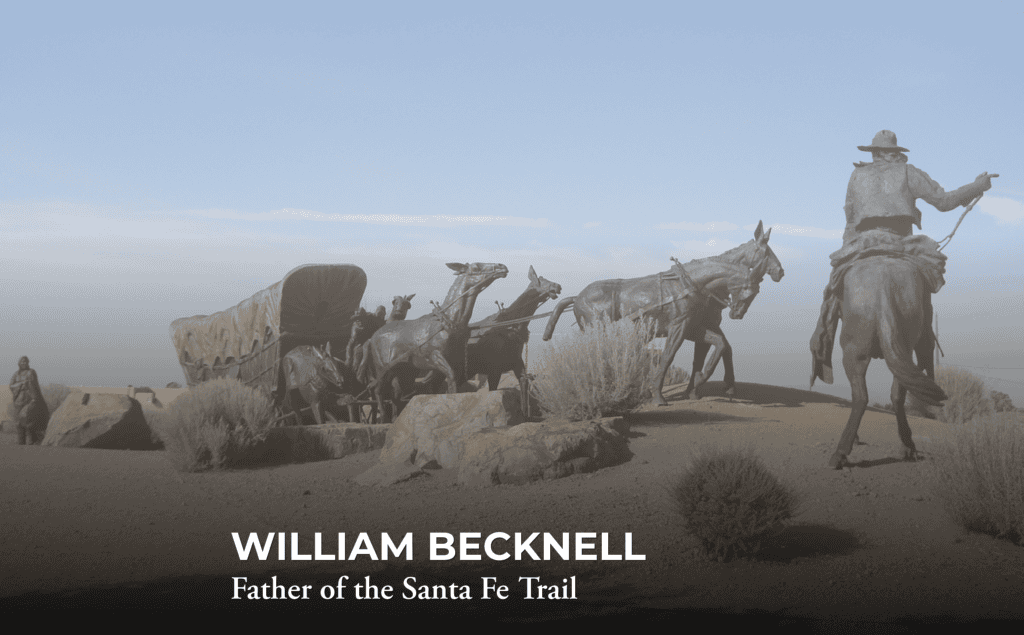
William Becknell: Father of the Santa Fe Trail
In 1821, a debt-ridden Missouri trader named William Becknell blazed a 900-mile trail to Santa Fe and returned with a fortune in silver. Discover how one desperate gamble opened the American Southwest to trade and reshaped the western frontier.