
A New Podcast Series
Before It Became History, a podcast series from the Sandra Day O’Connor Institute, explores the people and moments that shaped the American story. Each episode looks beyond the legend to examine the decisions, conflicts, and ideas that tested the promise of liberty and helped define our democracy.
Before they were names in history books, they were organizers, poets, spies, diplomats, soldiers, and citizens making impossible choices in uncertain times.
Before they were events we study and reference today, they were the stories shared between neighbors, written about in newspapers, or broadcast over the radio and eventually television.
This is history before it hardened into memory — and a conversation about what it means for us now.
Explore the Stories!
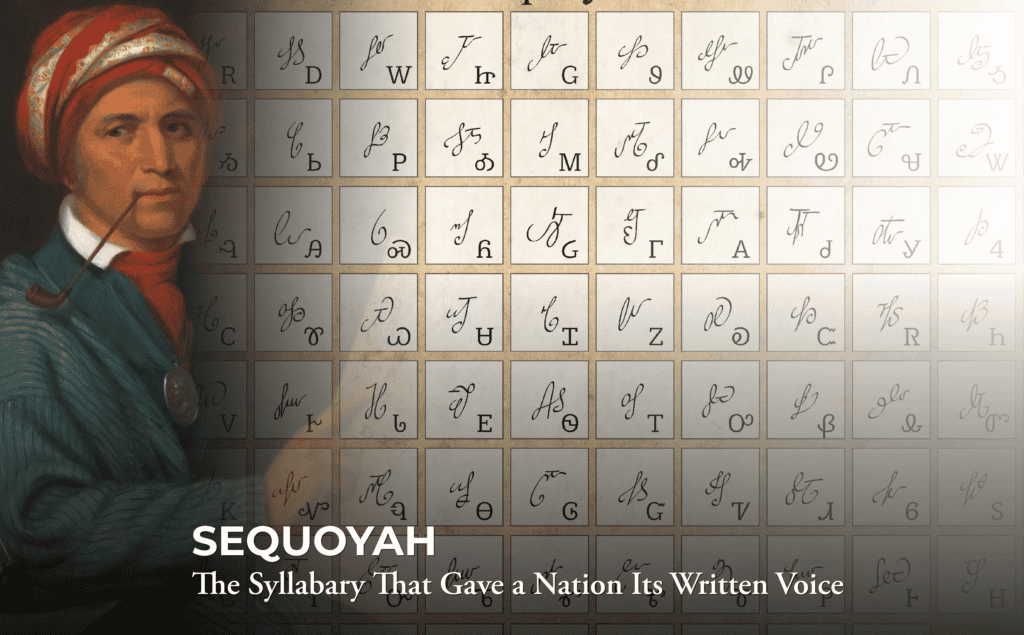
Sequoyah: The Syllabary That Gave a Nation Its Written Voice
Sequoyah never learned to read English, yet he gave the Cherokee language a written form. We trace his 85-character syllabary from his daughter’s demonstration to the Cherokee Phoenix, through removal, and into today’s immersion classrooms.
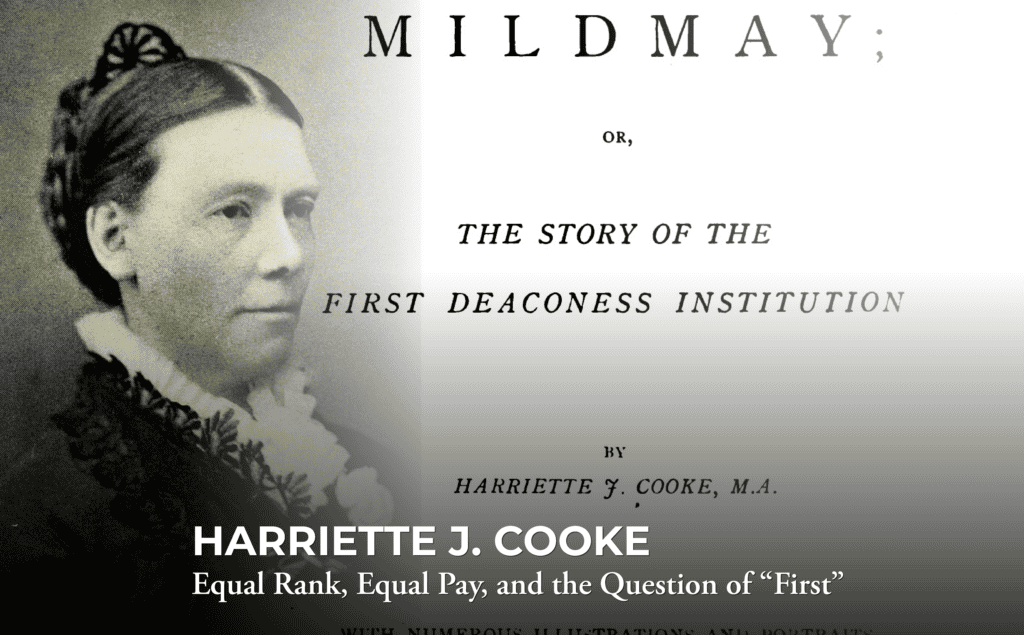
Harriette J. Cooke: Equal Rank, Equal Pay, and the Question of “First”
In 1871, an Iowa college made Harriette J. Cooke a full professor and reportedly paid her the same as the men. Was it the nation’s first? We weigh the evidence, then trace her from preceptress to drill organizer to a Boston medical mission.
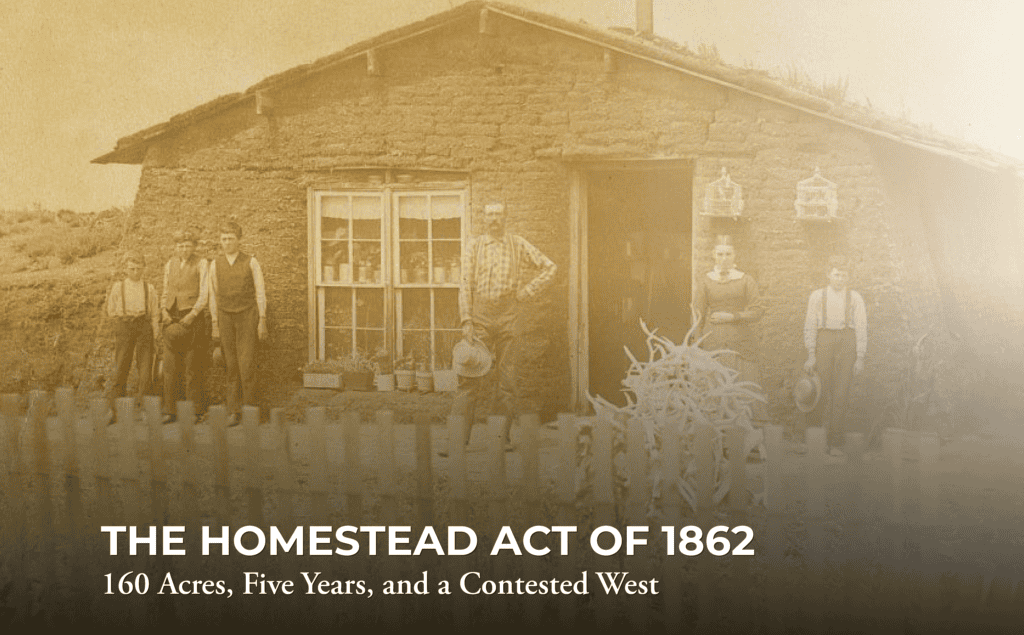
The Homestead Act of 1862: 160 Acres, Five Years, and a Contested West
In 1862, Lincoln signed a law offering 160 acres to settlers who could live on it, farm it, and prove it up. We explore who could claim a homestead, what it actually took to keep one, and whose homelands became the public land it gave away.
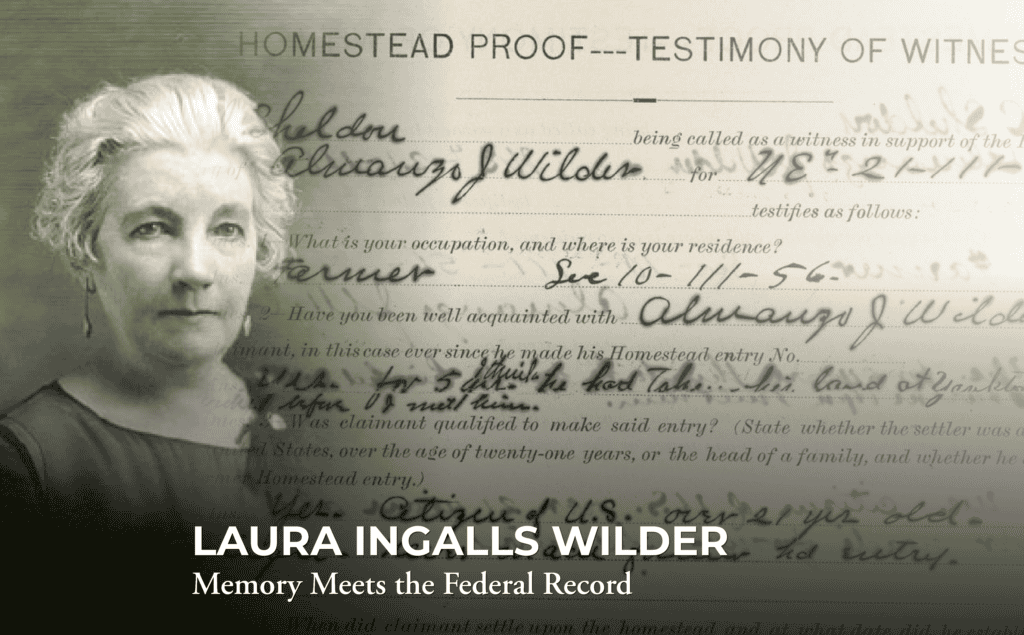
Laura Ingalls Wilder: Memory Meets the Federal Record
Behind the Little House novels lies a federal paper trail: land claims, sworn testimony, survey lines, railroad jobs, and treaties. We follow the Ingalls family from Osage land in Kansas to De Smet homesteads in a West the government built.
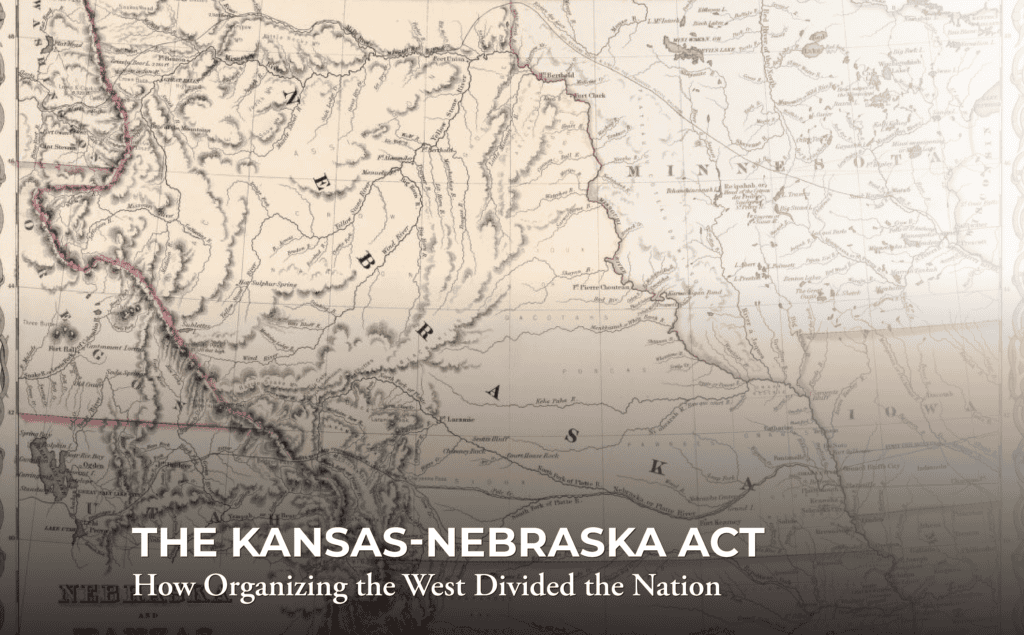
The Kansas-Nebraska Act: How Organizing the West Divided the Nation
Stephen Douglas wanted a railroad west. To get it, he let Kansas and Nebraska settlers vote on slavery, and the country cracked open: ballot fraud, a sacked town, a caned senator, the new Republican Party, and Lincoln’s return to the fight.
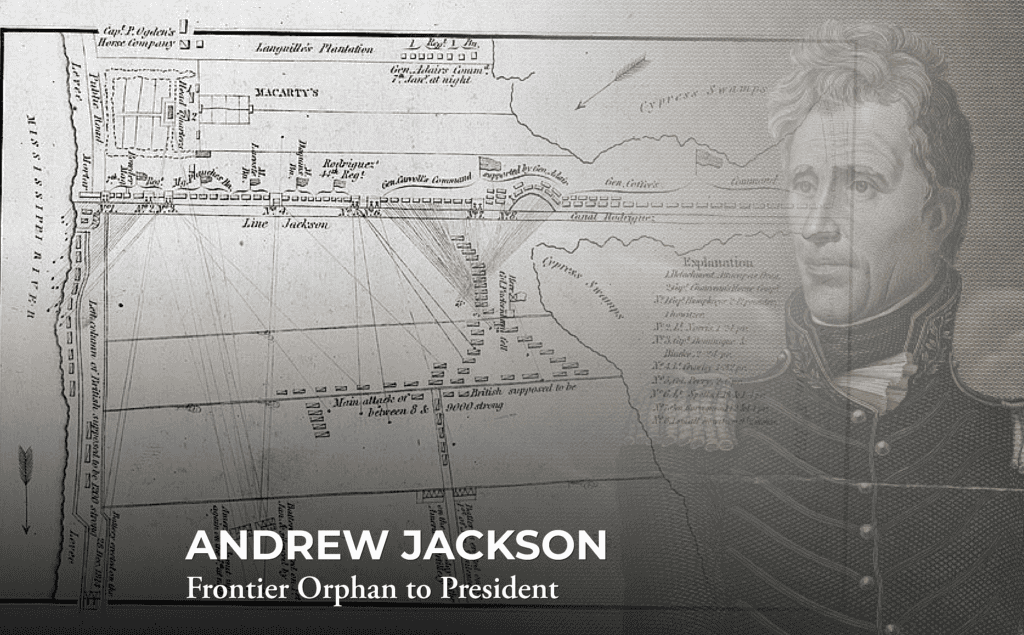
Andrew Jackson: Frontier Orphan to President
Orphaned by war, forged on the battlefield, and elected on a cry against elite corruption — Andrew Jackson reshaped the presidency itself. War hero, populist icon, slaveholder: his record is as consequential as it is contested.
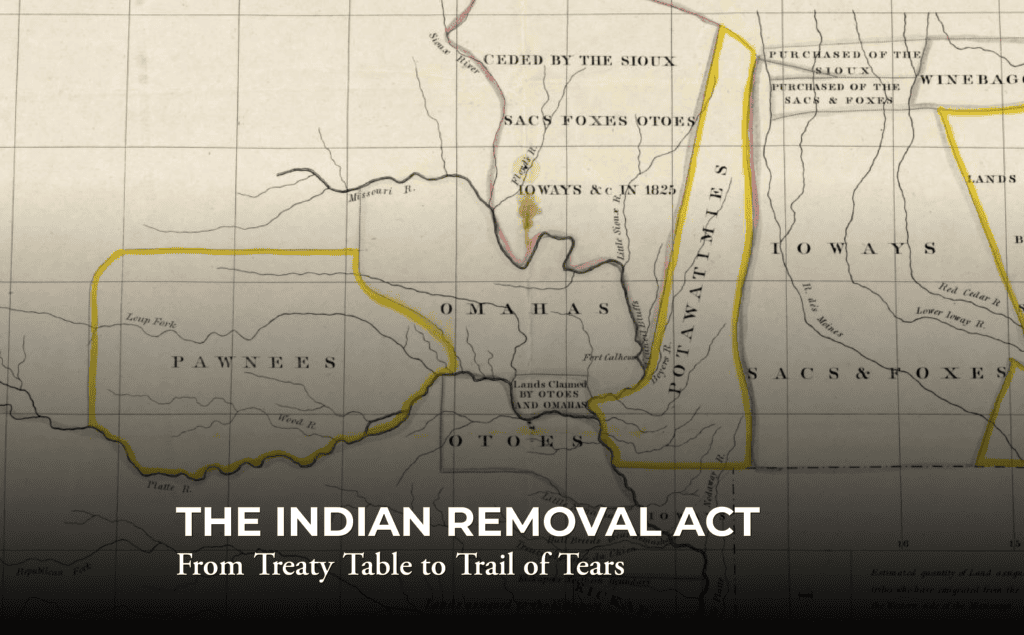
The Indian Removal Act: From Treaty Table to Trail of Tears
A brief 1830 law authorized land “exchanges” with Native nations — nothing in its text ordered a forced march. What followed was a decade of treaties, fraud, and coercion, and the Trail of Tears is only part of the story.
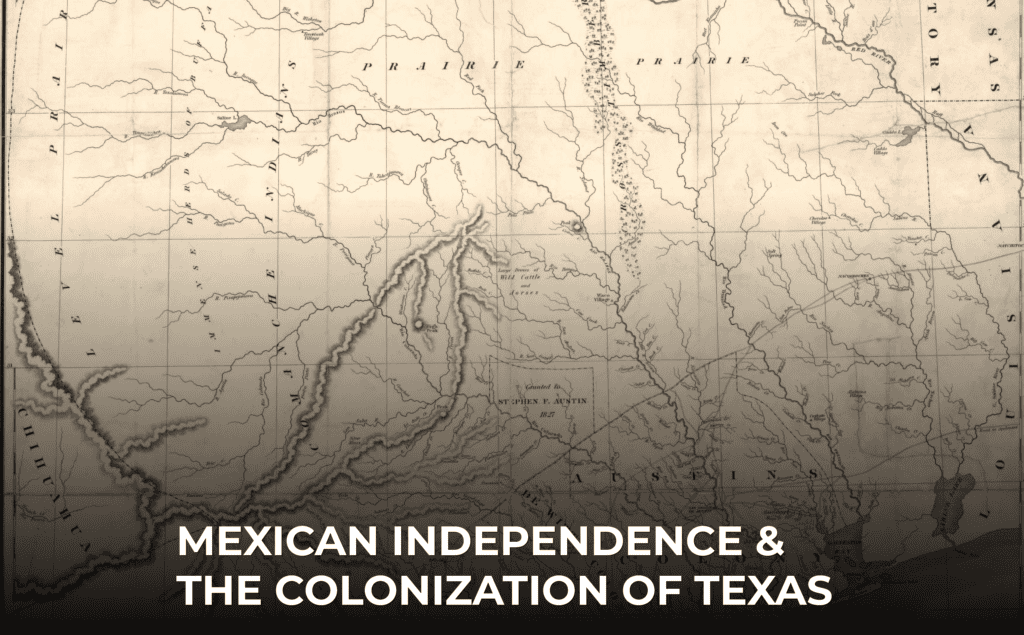
Mexican Independence and the Colonization of Texas
Eleven years of war, a negotiated treaty, and an army’s peaceful march into Mexico City in 1821 secured Mexican independence. What came next — colonization laws meant to secure the frontier — set the stage for Texas’s Anglo-American story.
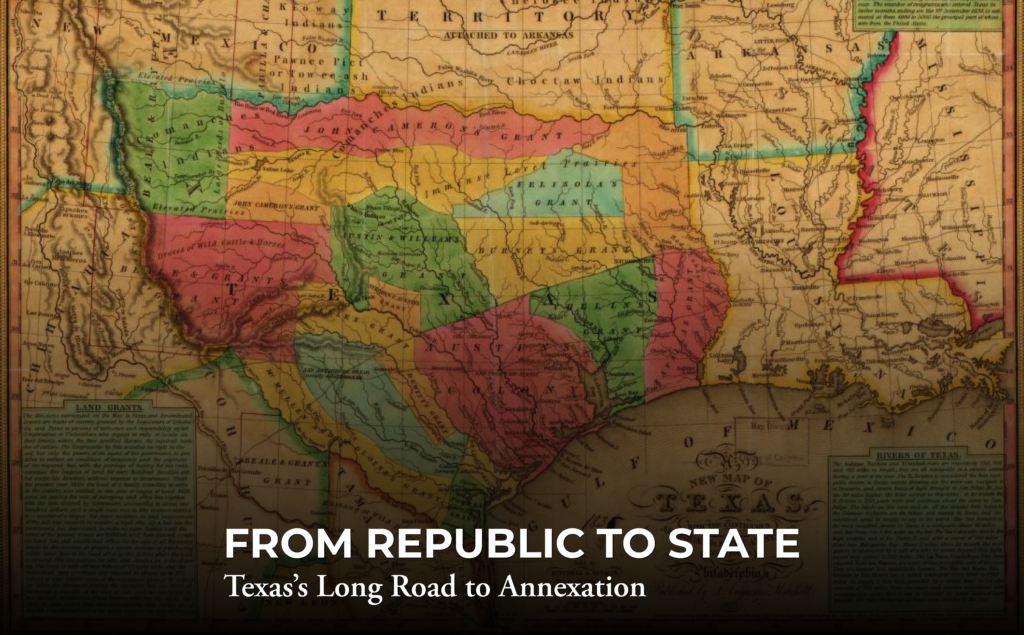
From Republic to State: Texas’s Long Road to Annexation
For nine years, Texas stood as its own republic — courted by Britain, rejected by one U.S. Senate vote, then finally admitted by a different route entirely. Mexico called it an act of aggression. Here’s how Texas became the 28th state.
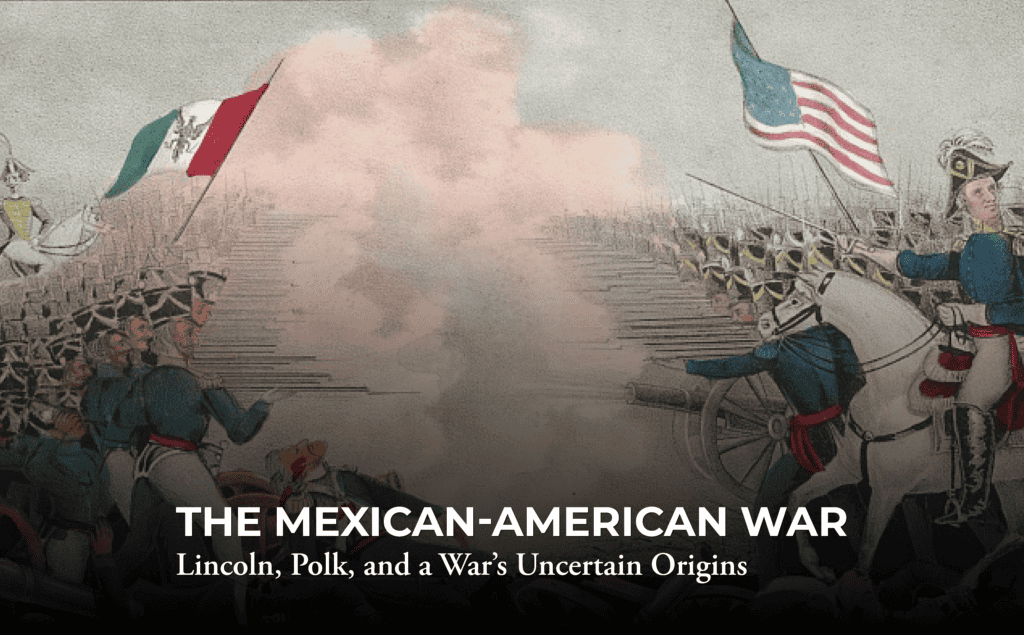
The Mexican-American War Begins: Lincoln, Polk, and a War’s Uncertain Origins
A skirmish on disputed land. A president’s claim that blood had been spilled on American soil. In 1846, that argument pushed the U.S. and Mexico into war within weeks — one Congress itself would keep arguing over for years to come.