A Celebration Of Our History And Future
The 250th anniversary of the United States, or America 250, is more than a commemoration of 1776. It is a moment to reflect on the people, principles, and events that shaped the nation and continue to guide American democracy today.
From the Declaration of Independence to the challenges and achievements that followed, U.S. history is a living story—one marked by growth, debate, innovation, and civic progress. Each era has left an imprint on who we are as a country and how we participate in our democracy.
As the nation marks 250 years of American history, this milestone invites a deeper understanding of our past and a thoughtful engagement with the present. The Sandra Day O’Connor Institute offers educational resources, programs, and conversations connected to America 250, designed to inform, inspire, and strengthen civic knowledge.
Join us in celebrating this historic moment—and in exploring how our shared history shapes the future of American democracy.
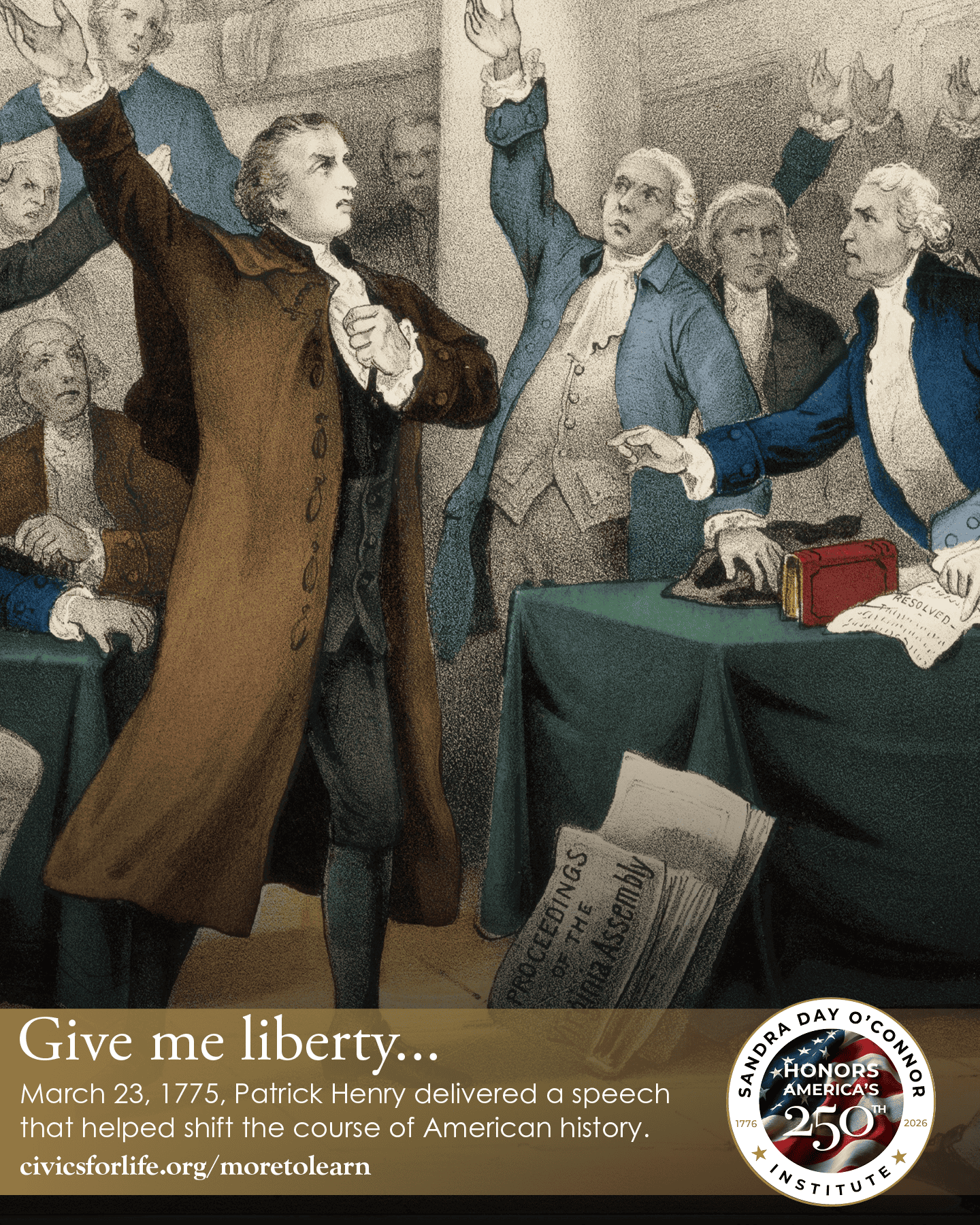
Rediscover America's Founding Generation
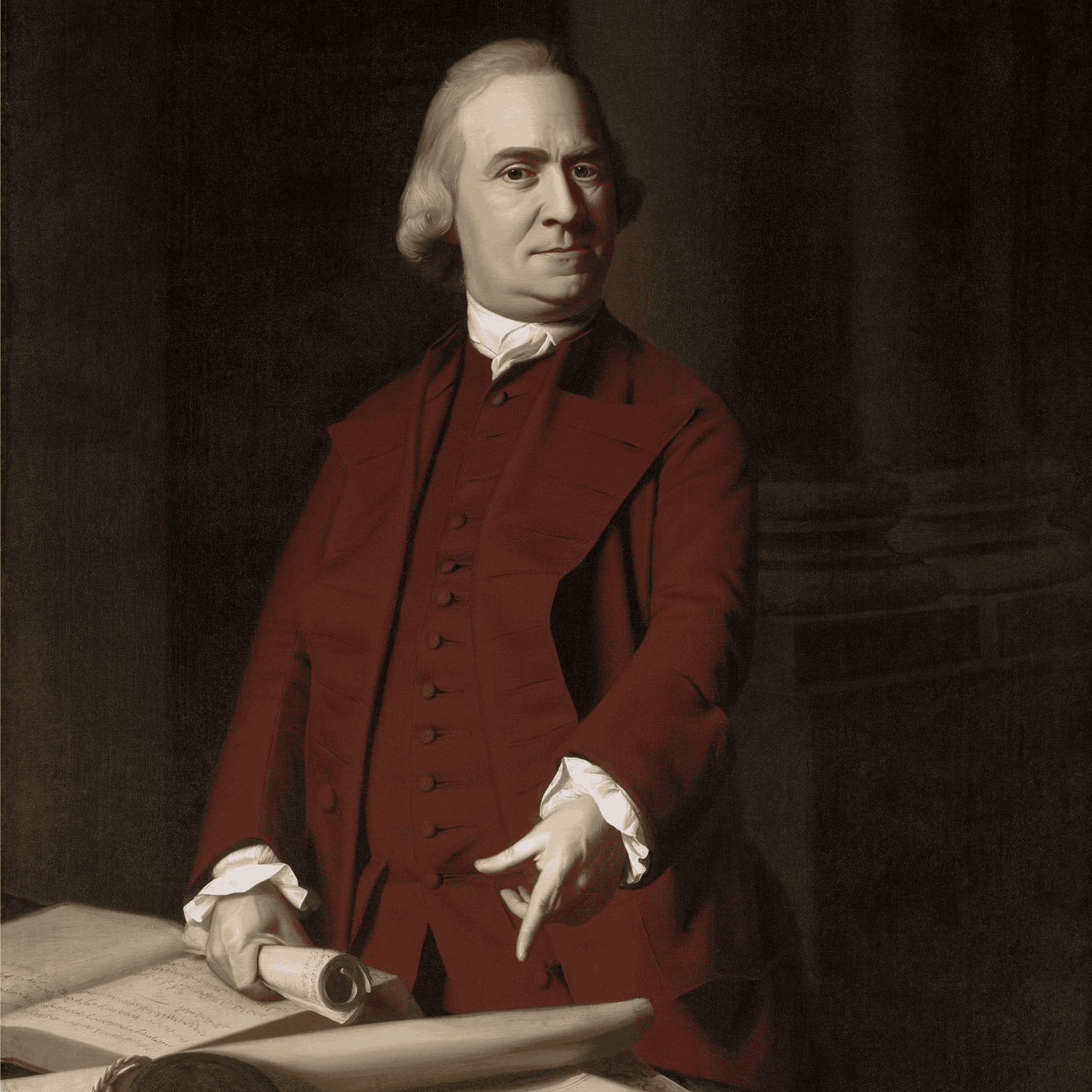
We honor the men and women of America’s founding generation who broke barriers and shaped the early republic by stepping into roles never before held. From the first signers of the Declaration of Independence and United States Constitution to the earliest voices calling for liberty, equality, and expanded rights, their bold service turned individual acts of courage into national progress. Our America’s Founding Generation and Who Am I? articles bring these stories to life, highlighting both well-known and lesser-known individuals whose contributions helped define the nation’s beginnings.
Together, these features offer a deeper and more engaging way to explore the people behind the founding era—inviting readers to connect with their challenges, ideas, and achievements. Their legacies remind us that active participation and representation were essential to creating a new system of self-government—and remain vital to sustaining it today.
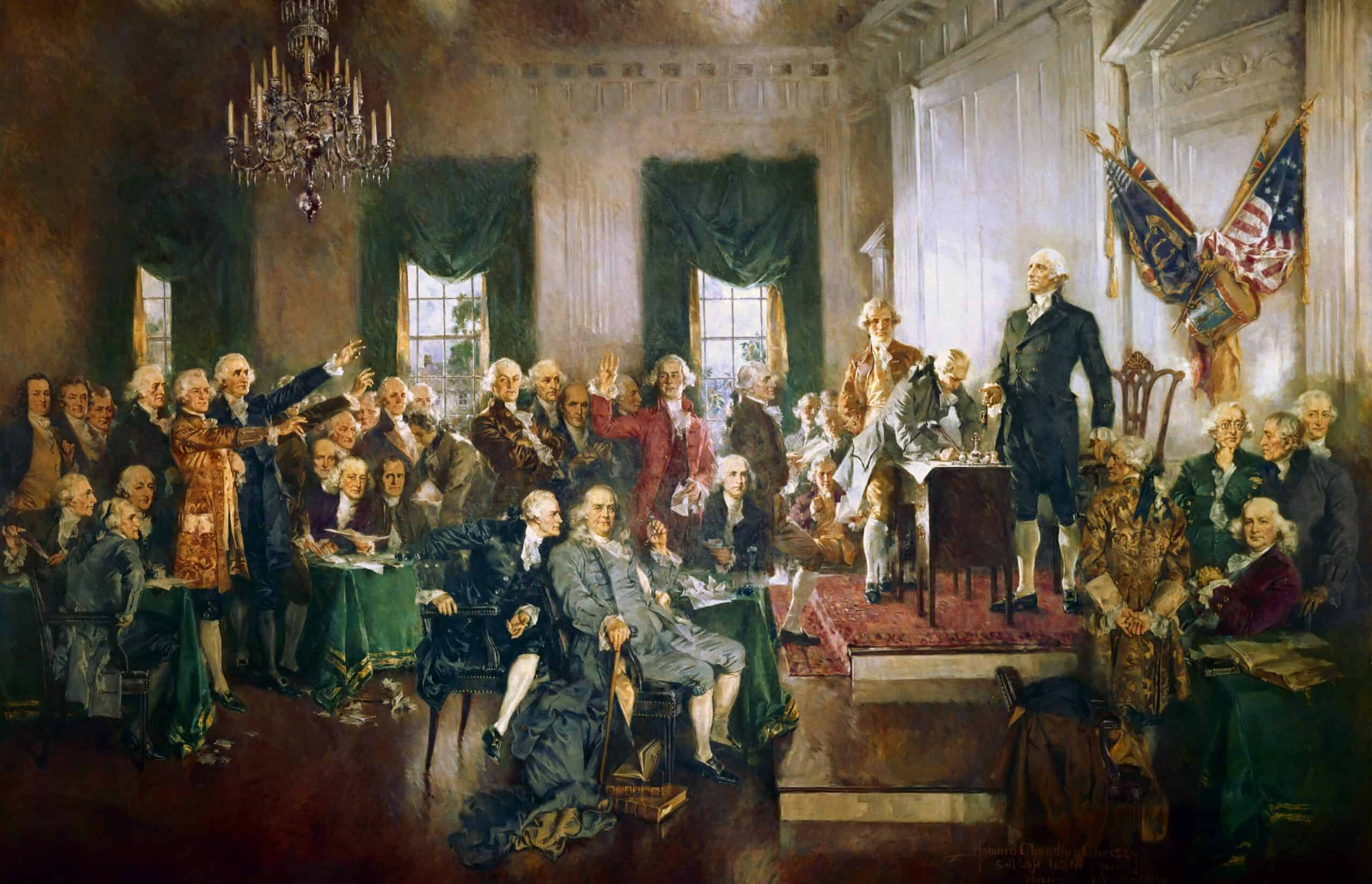
Equality & Justice For All: Constitution Series Podcasts
The Constitution Series: Equality And Justice For All podcasts explore a document created by the founders more than 200 years ago with historians, authors, and content experts. Learn more about this living document and how it continues to impact us today.
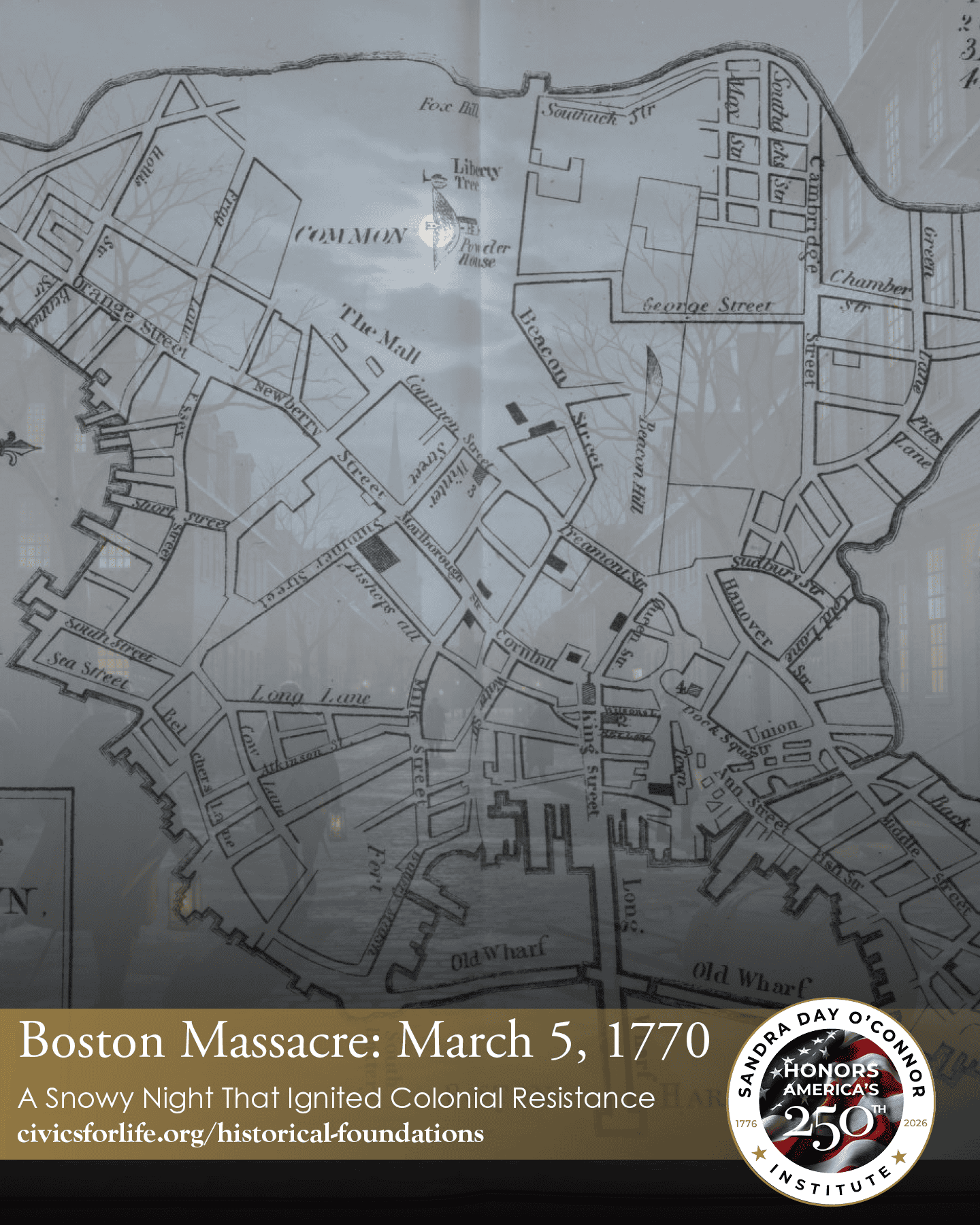
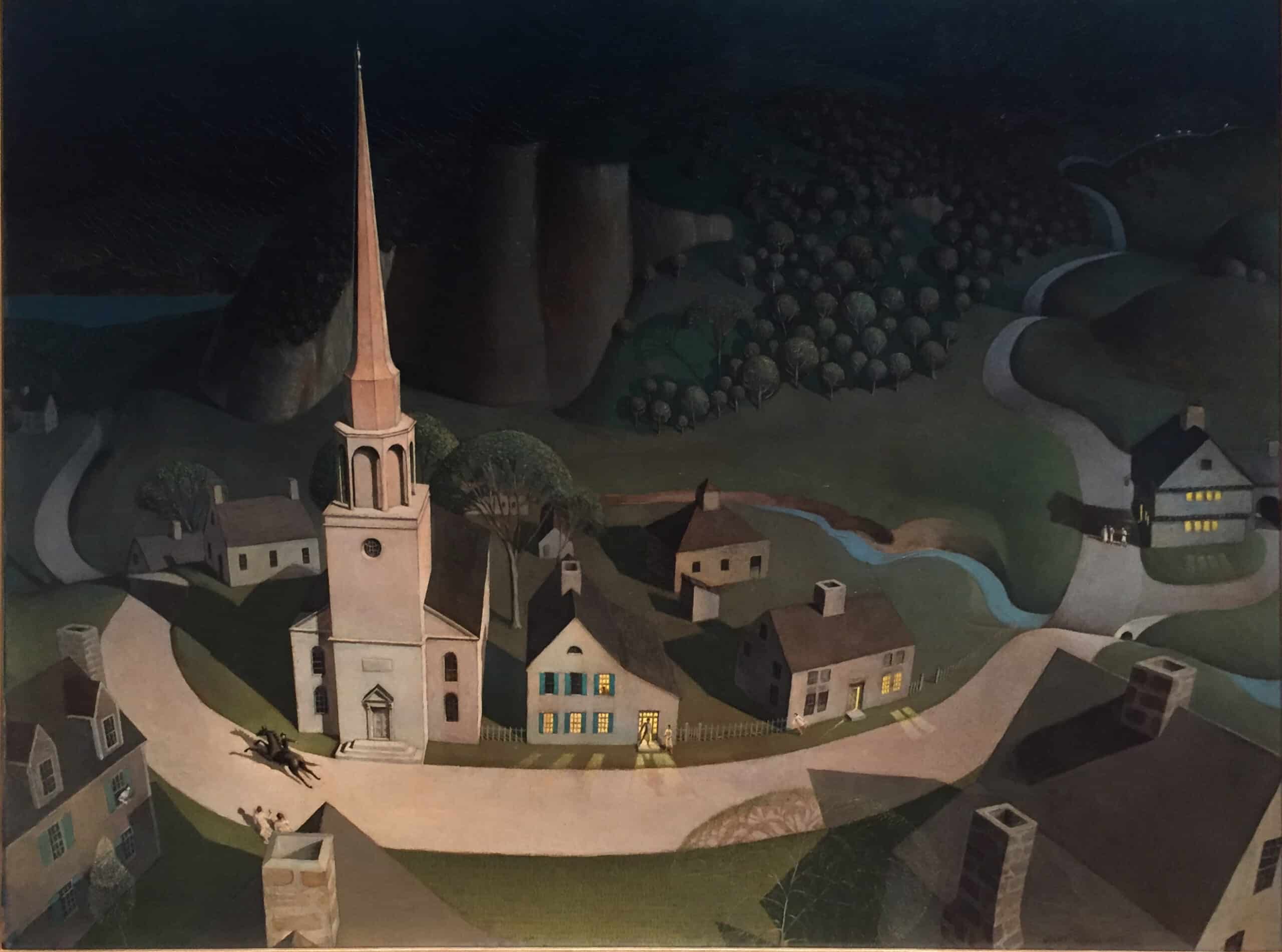
How Well Do You Know The Story of Paul Revere?
In 1775, a silversmith named Paul Revere set out on one of the most consequential rides in American history — and a poem written 85 years later turned it into legend.
Most of us learned Longfellow's version in school. But the actual night of April 18, 1775, looks quite different from the poem — and the real story holds lessons about organizing, contingency planning, and civic infrastructure that are worth understanding on their own terms.
What strikes us about the real story isn't the drama of a single hero on horseback. It's the organizational sophistication behind a single night — the intelligence networks, the signal systems, the redundant messengers, the community-level preparation.
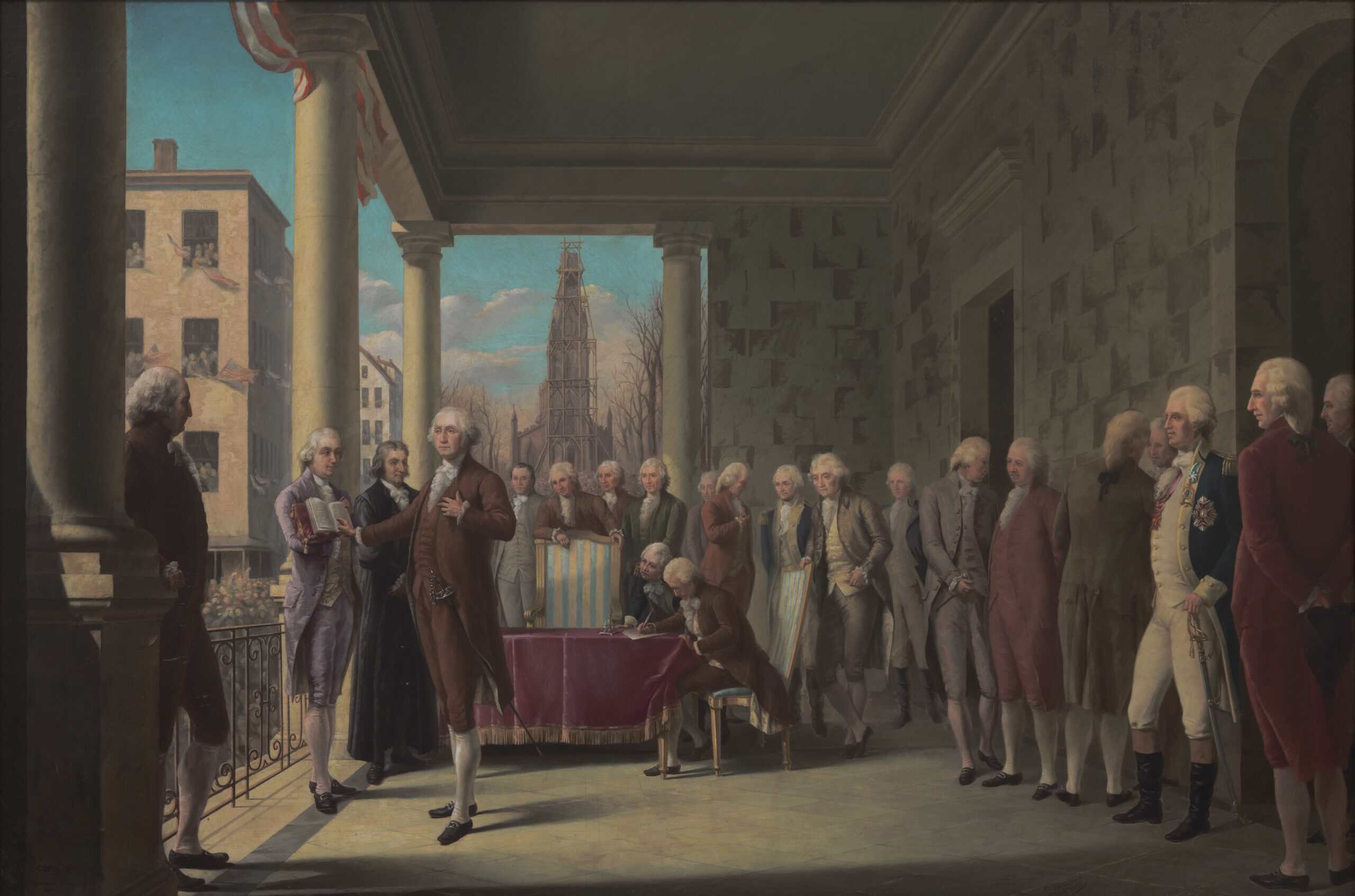
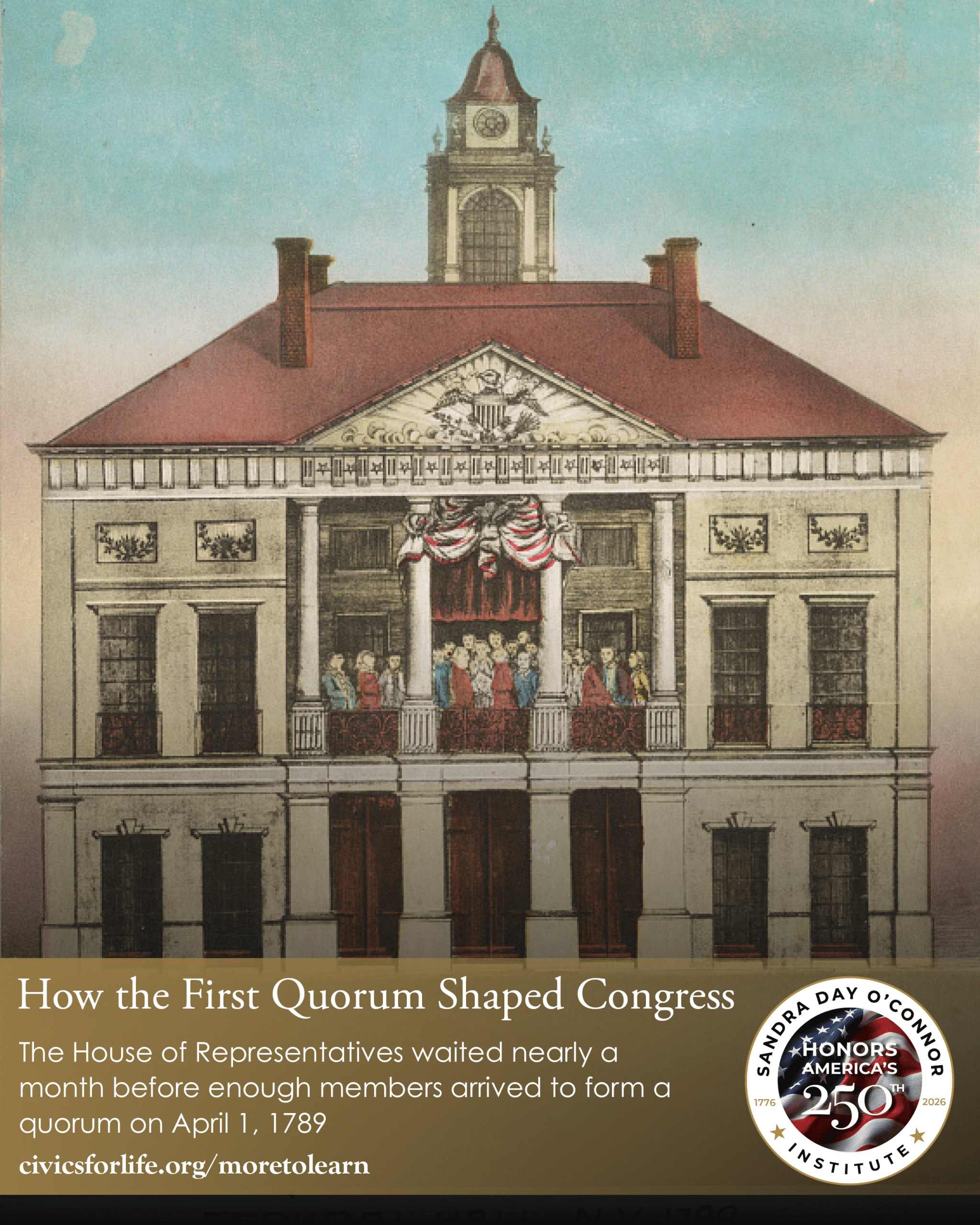
Washington’s 1789 Inauguration: The Day That Set Every Precedent
On April 30, 1789, a man stood on a balcony on Wall Street and changed the course of history. Not with a battle, or a proclamation, but with 35 words.
"I do solemnly swear that I will faithfully execute the Office of President of the United States, and will to the best of my ability, preserve, protect, and defend the Constitution of the United States."
George Washington had just become the first president sworn in under the new Constitution. And he was terrified.
His diary entries from that spring read like those of a man walking toward a firing squad, not a throne. He wrote to a friend that "no event could have filled me with greater anxieties." He worried the expectations were too high, that he'd fail the republic at the moment it was most fragile. He had already won the Revolutionary War. He had already been offered a kingship — and turned it down. And yet the presidency scared him most.
The inaugural address Washington delivered that afternoon — refined with help from James Madison from a discarded 73-page first draft — established the tradition every president has followed since.