
Why Are Teachers Uncomfortable Teaching Civics?
Why Are Teachers Uncomfortable Teaching Civics? offers an urgent diagnosis of the discomfort and disorientation many civics teachers report when asked to teach the very subject they were hired to deliver. The policy brief's central finding: K–12 civics teachers across the country feel underprepared, unsupported, and increasingly afraid to teach vital material.


Key Findings
-
- Civics teachers are insufficiently trained in both what to teach and how to teach it.
- Fear of controversy shapes what gets taught. Civics teachers are hesitant to teach complex material; they don't feel they will be supported.
- Teachers lack clear instructional guidance from districts and states.
- Civic education lacks a common purpose. Lacking shared preparation, support, or purpose, teachers bring diverging civic philosophies to the classroom.

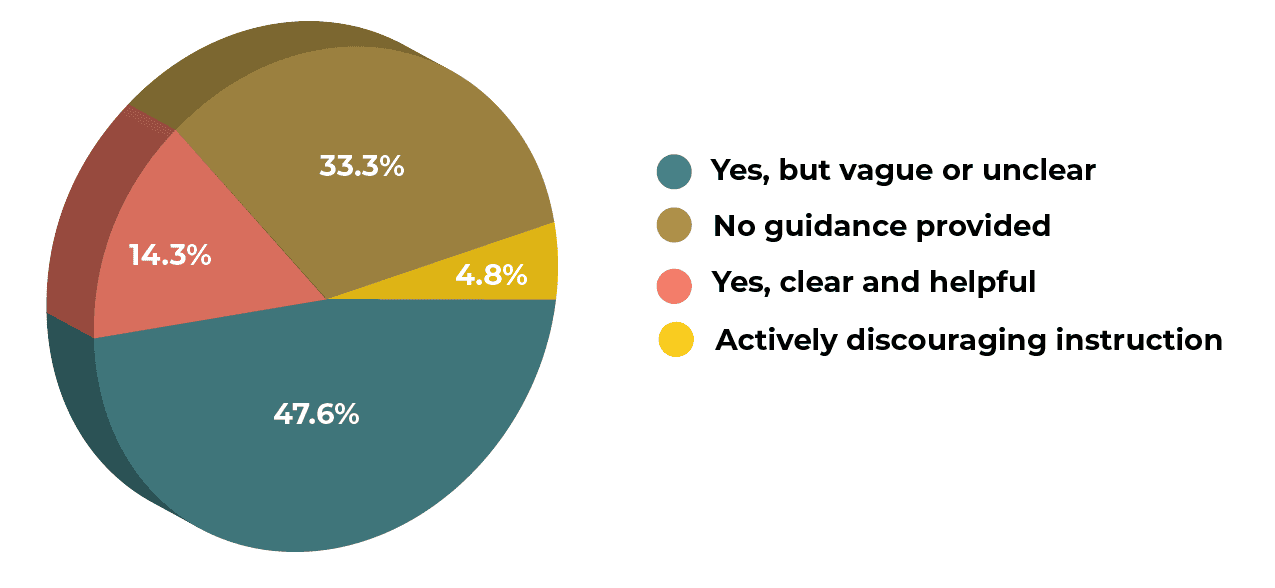
Has Your School District Provided Guidance About What You Are And Are Not Allowed To Teach In Civics?
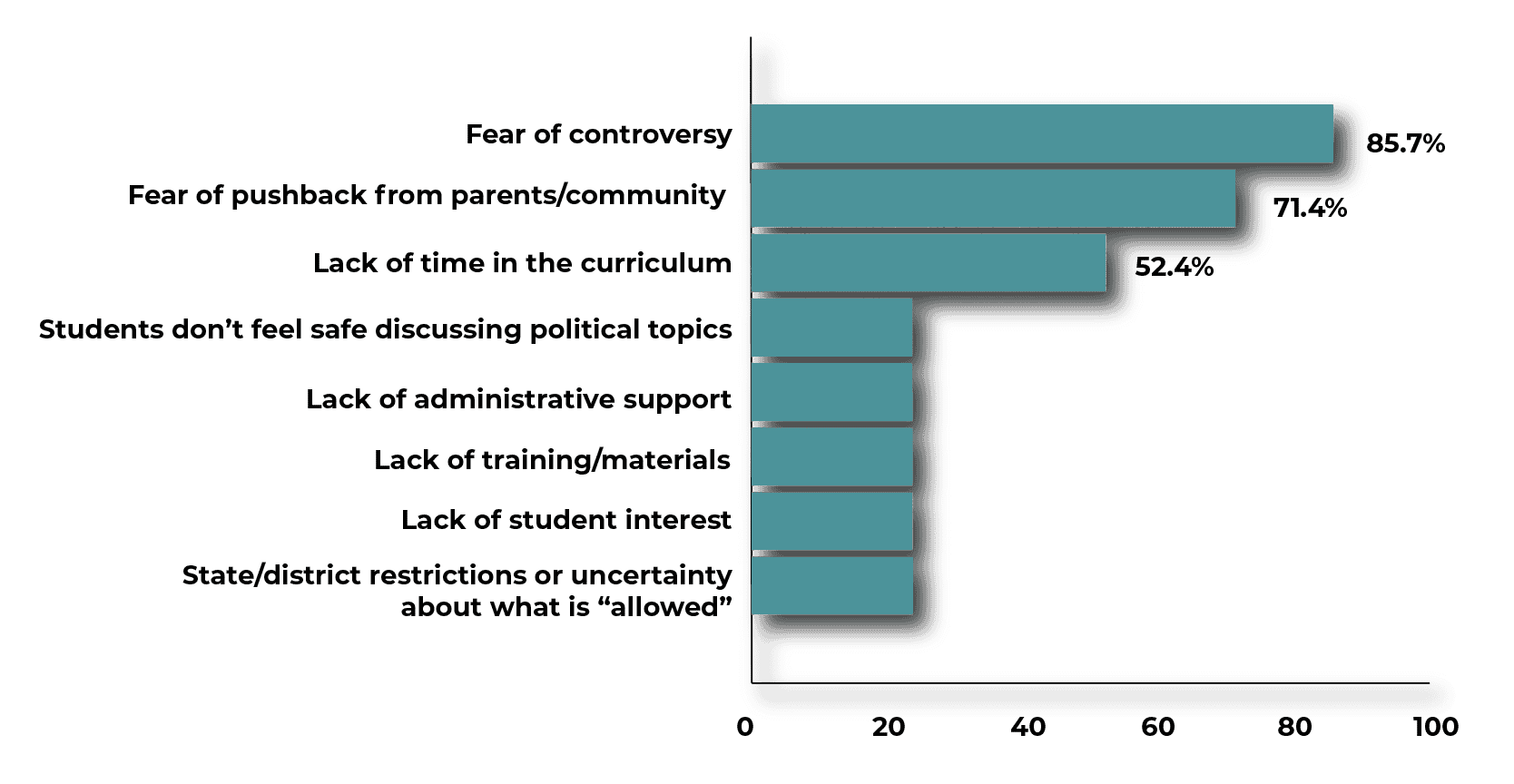
In Your Experience, What Are The Primary Challenges To Teaching Civics Today?

Liam Julian | Chief of Programs & Public Policy
Liam Julian is Chief of Programs & Public Policy at the Sandra Day O’Connor Institute for American Democracy. He was previously managing editor of Policy Review magazine in Washington, D.C., and a research fellow at Stanford University’s Hoover Institution. His writing and commentary on public policy have appeared in publications such as The Washington Post, The Atlantic, National Review, and RealClearPolitics, and on NPR programs including Morning Edition and All Things Considered. He also directed development of Advanced Placement curricula at the College Board, including leading the redesign of the AP U.S. Government and Politics course.
For more information about this policy brief, contact him at ljulian@oconnorinstitute.org