
Celebrating Civics Learning Week 2026
In 2007, Sandra Day O’Connor stood before the nation’s governors and delivered a line that drew both laughter and unease. Surveys showed, she said, that more American teenagers could identify the Three Stooges than the three branches of their own government.
She appreciated Larry, Moe, and Curly. But the statistic was not meant to entertain. It was meant to warn.

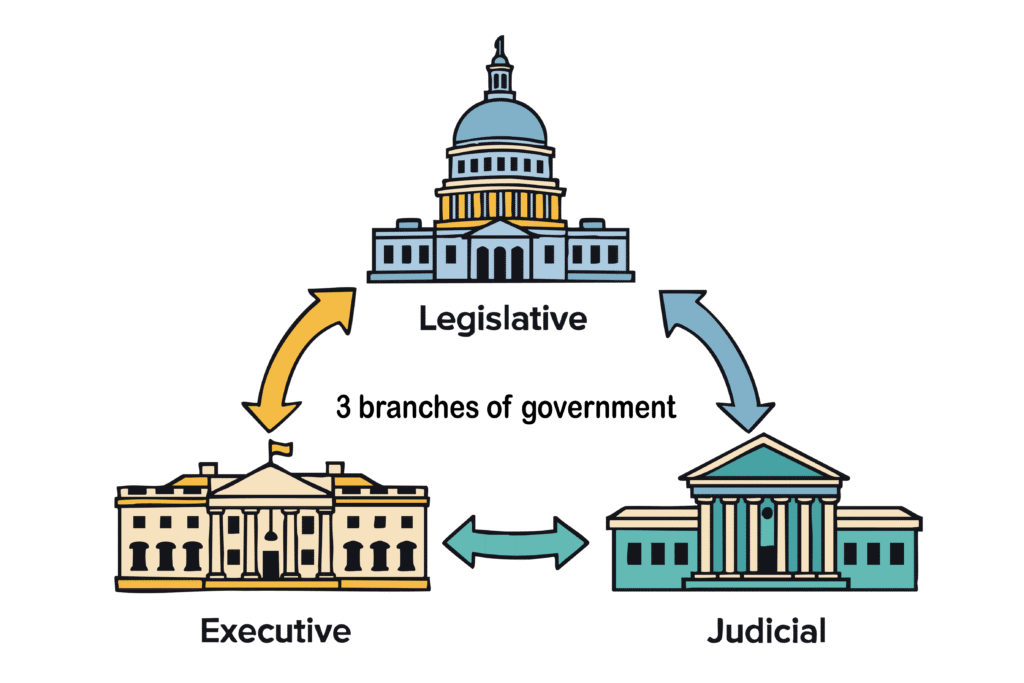
Too many students could not name the legislative, executive, and judicial branches. In many districts, civics was no longer required. For Justice O’Connor, this was not a cultural curiosity or a partisan concern. It was structural. A constitutional democracy depends on citizens who understand its framework. Without that foundation, the system weakens.
That realization defined her work after leaving the Supreme Court.
Democratic Participation Is Learned Behavior
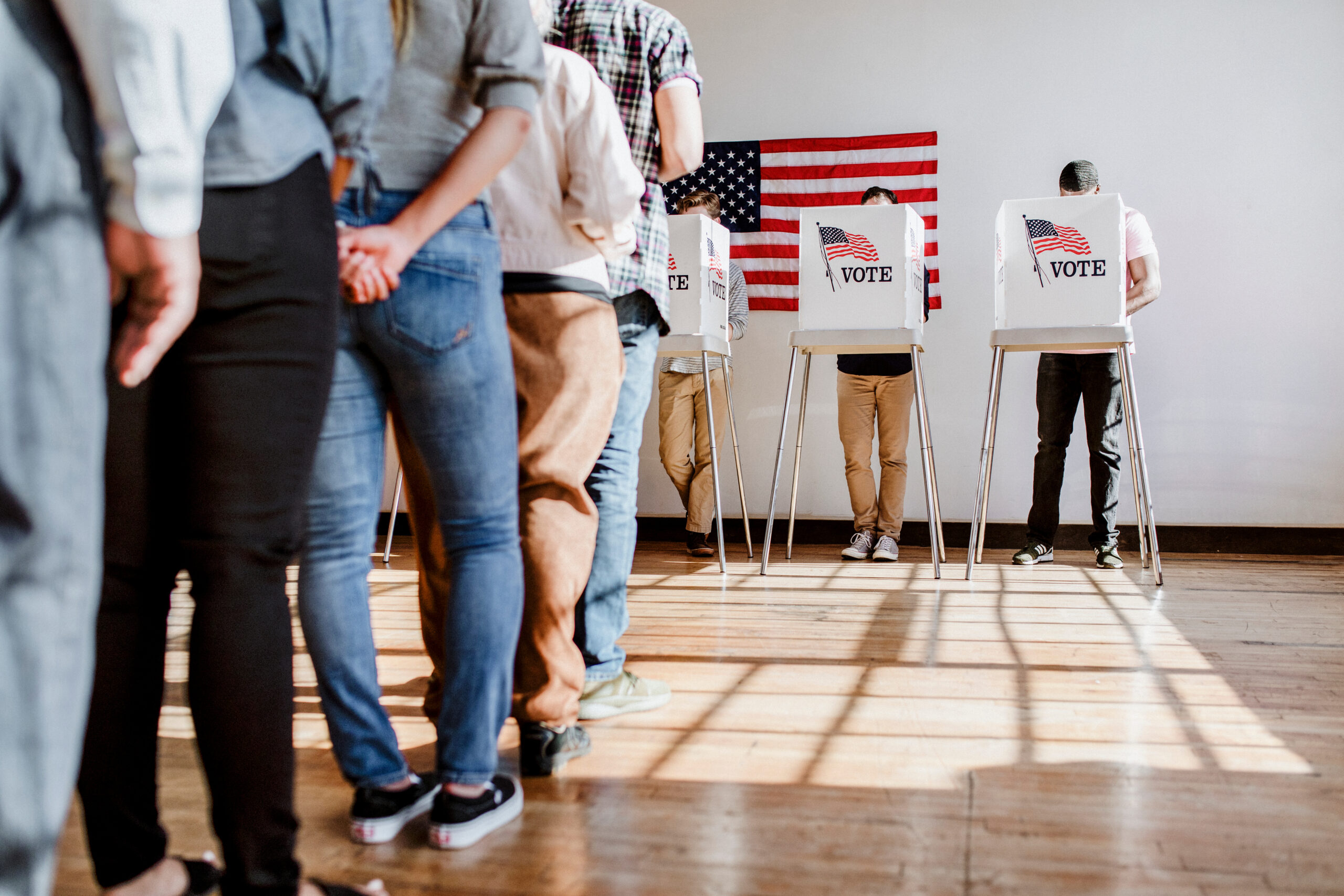
A year earlier, Justice O’Connor co-authored a Washington Post op-ed titled Not by Math Alone with former Colorado Governor Roy Romer. They argued that while math and science education are vital, civic learning had been sidelined. National assessments showed that most 12th graders lacked basic civic proficiency. Many struggled to explain the separation of powers or the responsibilities of citizenship.
Justice O’Connor distilled the issue clearly:
“A healthy democracy depends on the participation of its citizens, and that participation is learned behavior; it does not just happen.”
Civic understanding is not inherited. It must be intentionally taught and actively practiced. When it is neglected, participation declines and public trust erodes.
Civic Education Is a Generational Responsibility
Justice O’Connor returned to one idea repeatedly in speeches across the country: civic education must be perpetual. Every generation has to learn it.
The Constitution does not sustain itself. Institutions rely on informed citizens who understand both their rights and their responsibilities. Without that understanding, public debate grows shallow and civic engagement becomes reactive rather than informed.
Justice O’Connor did not dwell on decline. She focused on solutions.

Building Infrastructure for Civic Learning
The Sandra Day O’Connor Institute was created to meet that challenge directly. Rather than simply highlighting gaps in civic knowledge, the Institute built programs designed to cultivate it.
One of the most visible examples is the Civics Challenge, now in its seventh competition cycle. Open to students in grades 6–12, the Challenge invites participants to select a civics topic and present their learning through a short video or original song.
Students explore constitutional principles, Supreme Court decisions, voting rights, federalism, and more — then explain those ideas in their own words. That creative ownership strengthens understanding in ways rote memorization cannot. When students teach a concept, they internalize it.
The Civics Challenge demonstrates that civic learning can be rigorous, creative, and personally meaningful at the same time.
Expanding the Pipeline of Civic Engagement
The Civics Challenge is one part of a broader youth mission.
The O’Connor Institute Ambassadors Online Civics & Debate Club engages high school students in structured debate, civil discourse, and deeper constitutional study. Participants learn how to articulate arguments, listen thoughtfully, and ground their reasoning in constitutional principles. They practice the habits that sustain democratic dialogue.
For younger students, Camp O’Connor USA offers a free, merit-based day camp focused on civic literacy and leadership. Middle schoolers examine the three branches of government, explore landmark cases, and engage in collaborative activities that make constitutional principles tangible.
Together, these programs create a developmental arc. Camp O’Connor USA introduces foundational concepts. The Civics Challenge deepens understanding through creative expression. The Ambassadors program sharpens analytical skills and civil discourse.
Each initiative meets students at a different stage — but all are guided by the same philosophy: civic knowledge grows stronger when it is active, experiential, and continuous.

Why Civic Education Matters Now

The need for civic education has not diminished. Information moves faster than ever. Public debates unfold in real time across digital platforms. Claims about executive authority, free speech, and federalism circulate widely — often without context.
Students who understand the structure of government are better equipped to evaluate those claims. They can distinguish opinion from constitutional principle. They can participate thoughtfully rather than reactively.
Civic education does not tell young people what to think. It equips them with the tools to think clearly about public life.
That distinction shaped Justice O’Connor’s vision.
One Mission, One Responsibility
Justice O’Connor believed democracy requires preparation. Citizens are not born ready to participate; they are educated into participation.
The Sandra Day O’Connor Institute reflects that belief across its youth programs. Camp O’Connor USA introduces students to constitutional foundations. The Civics Challenge invites them to explore and explain civic ideas. The Ambassadors program prepares them to deliberate and lead.
These initiatives are not isolated projects. They are connected stages in a sustained effort to strengthen civic understanding across generations.
Democracy depends on participation. Participation depends on knowledge. And knowledge depends on education that is renewed again and again.
Every generation has to learn it.
Learn more about the Civics Challenge and the Institute’s youth programs.
Read All the Civic Learning Week 2026 Essays