Summer of Civics America 250 Edition!
Looking for meaningful ways to get civically involved this summer? You've come to the right place. Summer 2026 is a once-in-a-generation moment for civic engagement: on July 4th, the United States celebrates its 250th anniversary — a milestone known as America 250 or the Semiquincentennial. Whether you're interested in local government, state politics, or federal history, there are concrete steps you can take right now to strengthen your community and deepen your connection to American democracy. The Sandra Day O'Connor Institute has rounded up 12 actionable civic engagement ideas — spanning local, state, and federal levels — to help you make the most of this historic summer.
A Once In A Lifetime Chance
This summer is unlike any other. On July 4, 2026, the United States marks 250 years since a remarkable group of people put their names to a document that changed the world — and dared to mean it. America 250 is more than a birthday. It's an invitation: to reflect on how far we've come, to reckon honestly with the distance still to travel, and to recommit ourselves to the work of self-governance.
At the Sandra Day O'Connor Institute, we believe civic engagement isn't a season or a slogan — it's a practice. And summer, with its long days and community gatherings, is one of the best times to build that habit. Whether you prefer to dig into history, show up to a meeting, or simply connect with a neighbor, there's something on this list for you.
Here are 12 ways to make this a summer to remember — not just for the fireworks, but for what you did with them.

How to Get Involved Locally This Summer
1. Attend an America 250 Event in Your Community
Communities across the country are hosting commemorative events this summer — parades, historical reenactments, art installations, and public readings of founding documents. Check your city or county's official website for America 250 programming near you. Showing up is itself an act of civic participation, and these gatherings are wonderful opportunities to meet neighbors you've never met before. Check out America250.org for local, state, and national celebrations.

2. Consider Running for Local Office, or Supporting Someone Who Does
Local offices like library boards, planning commissions, water districts, and neighborhood associations are often decided by a handful of votes and sometimes go entirely uncontested. This summer, look into what positions are on the ballot in your community this fall. If running isn't for you, consider volunteering for a local campaign — knocking doors, making calls, or helping a first-time candidate organize. Democracy runs on people willing to do this work.
2. Host a Civics Conversation in Your Home
You don't need a podium to facilitate civic dialogue. Invite a few neighbors over this summer and pick one local question to discuss — a proposed development, a school budget decision, a park redesign. Keep it informal, keep it curious, and practice listening as much as talking. Some of the most meaningful civic moments happen around kitchen tables, not in council chambers.
4. Map Your Civic Ecosystem
Most people interact with more layers of government than they realize — city, county, special districts, school board, water authority, and more. This summer, take an hour to map out exactly who represents you at each level and what decisions they're responsible for. Write their names down. Look up their contact information. This simple exercise transforms "the government" from an abstraction into a set of specific people who are accountable to you.
5. Explore Your State's History Through a 250-Year Lens
America's founding wasn't a single event — it unfolded differently across regions, states, and communities. Look into your state's particular story: When did it ratify the Constitution? What were the debates? Who was included in the promise of self-governance, and who wasn't — and how has that changed? State archives, historical societies, and library systems often have free public resources to help you dig in.
State-Level Civic Engagement: Three Ways to Participate
6. Attend a State Legislative Hearing - In Person or Online
Most people know more about the federal government than their own state legislature, yet states make decisions on education, criminal justice, healthcare, and infrastructure every day. This summer, look up your state legislature's hearing schedule. Many committees now stream their proceedings online and accept written public testimony — meaning you can weigh in on proposed laws without traveling to the capital. Find the committee that handles an issue you care about and tune in.
7. Visit Your State Capitol
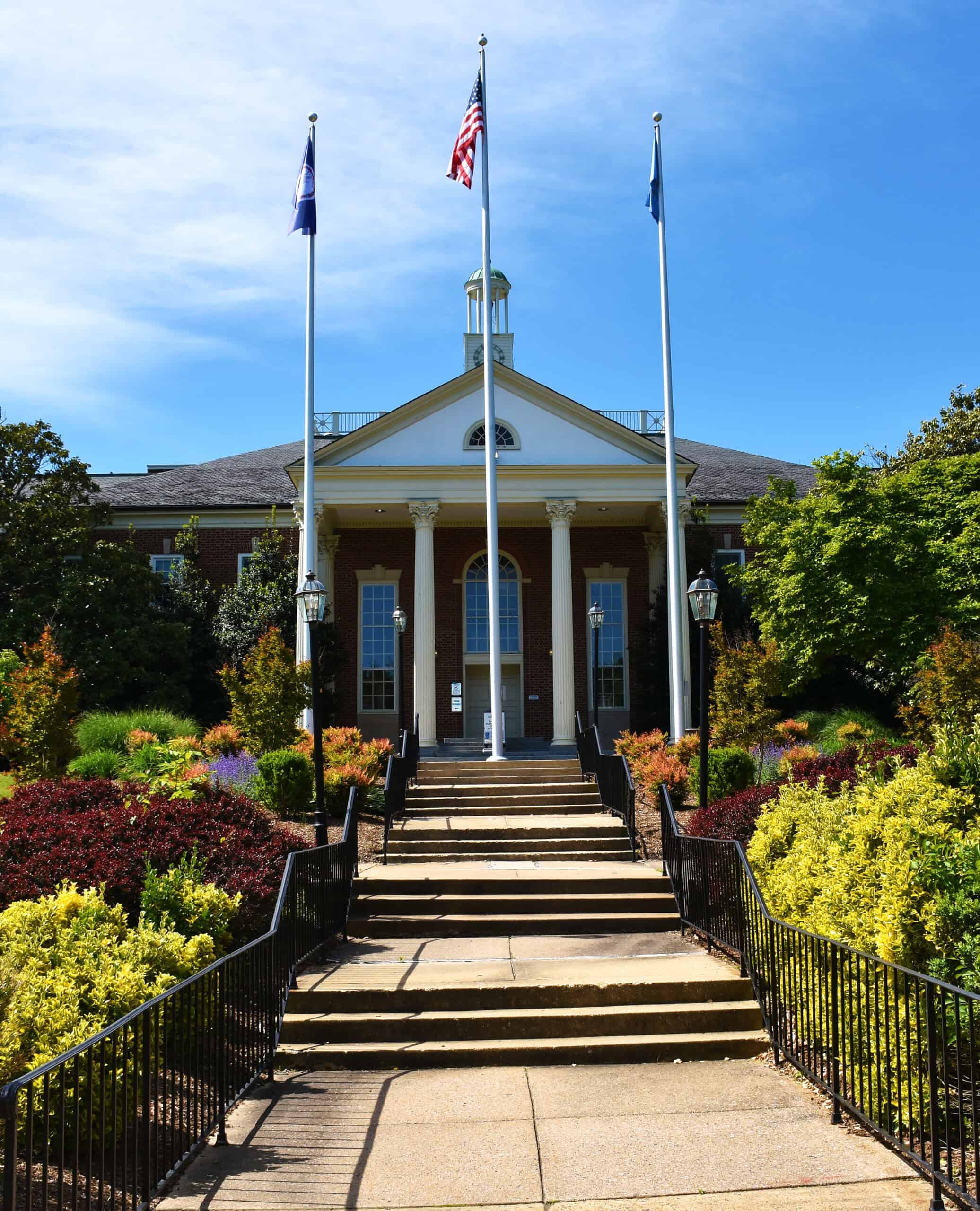
State capitol buildings are often architectural gems, open to the public, and far less crowded than their federal counterpart. Many offer free guided tours that walk you through the history of your state's government and the chambers where laws are debated. If you have kids in tow, this is a hands-on civics lesson that no classroom can fully replicate. Call ahead — some states are offering special programming this summer tied to America 250.
8. Track a Bill from Introduction to Outcome
Pick one piece of legislation currently moving through your state legislature and follow it start to finish over the summer. Most state legislatures have free online bill-tracking tools that show you who sponsored it, which committees reviewed it, what amendments were proposed, and how it was voted on. Watching how a law actually gets made — the compromises, the politics, the procedural twists — is one of the most illuminating civics lessons available.


Federal Civic Engagement: Connecting with America at the National Level
9. Read a Founding Document (or Read One Again)
The Declaration of Independence. The Constitution. The Federalist Papers. These aren't museum pieces; they're living arguments about power, rights, and the obligations of citizenship. This summer, read one with fresh attention. Notice what surprised the writers, what they worried about, what they couldn't yet resolve. Our Civics for Life resources include accessible guides and discussion prompts for exploring them with others.
10. Take the Naturalization Civics Test and Learn from It
Every year, hundreds of thousands of people earn U.S. citizenship by demonstrating knowledge of American history and government. This summer, take the official naturalization civics test yourself. You may know more than you expect — or discover surprising gaps. Either way, it's a quick, thought-provoking way to reflect on what we ask new citizens to know, and what we as lifelong citizens sometimes take for granted. The full study materials are free at uscis.gov.
11. Write to Your Members of Congress
Your U.S. Senators and Representative hear from constituents more than most people realize, and those communications genuinely influence their priorities. This summer, identify one federal issue you care about and write a thoughtful letter or email. The key is specificity: rather than a general statement, describe how the issue affects your life or your community. You can find your representatives and their contact information at congress.gov.
A Civic Engagement Idea That Works at Every Level

12. Have One Hard Conversation Across Differences
Justice O'Connor believed deeply that democracy requires citizens who can disagree without becoming enemies. This summer, seek out one conversation with someone whose perspective differs from yours — at a neighborhood event, a family gathering, or a community forum. Listen more than you speak. Ask questions instead of making arguments. You don't have to change your mind, and neither do they. But practicing the art of civil discourse is one of the most patriotic things any of us can do right now.
Start Your Summer of Civics Today
Two hundred fifty years is a long time, and it's also no time at all. The American experiment is still underway. Its outcome is not guaranteed — it never has been. What the Founders understood, and what Sandra Day O'Connor devoted her life to reinforcing, is that self-governance is hard work. It requires informed, engaged citizens who show up even when it's inconvenient, who take the long view, and who believe that our differences are a feature of democracy, not a flaw.
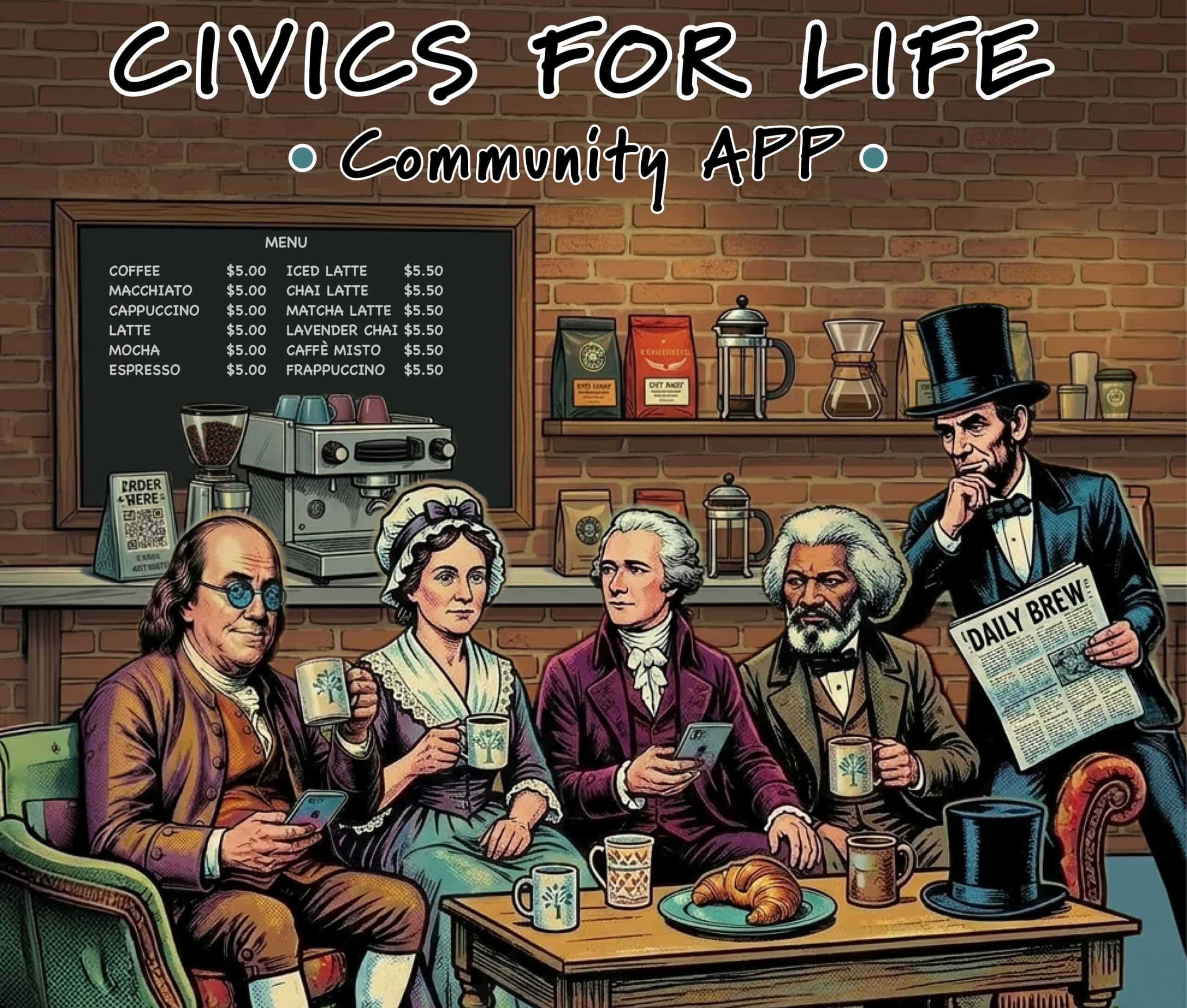
This summer, we invite you to be that kind of citizen. Check off a few items on this list. Share how you're engaging using #SummerofCivics. And explore our free Civics for Life resources — an app with micro-lessons, articles, and tools designed for learners of all ages and backgrounds.
Here's to 250 years — and to the work ahead.

Explore More Civics Content