
What Thanksgiving Teaches Us About Gathering Together
A holiday shaped by promises, debate, persistence, and compromise says something about the kind of community we choose to build.
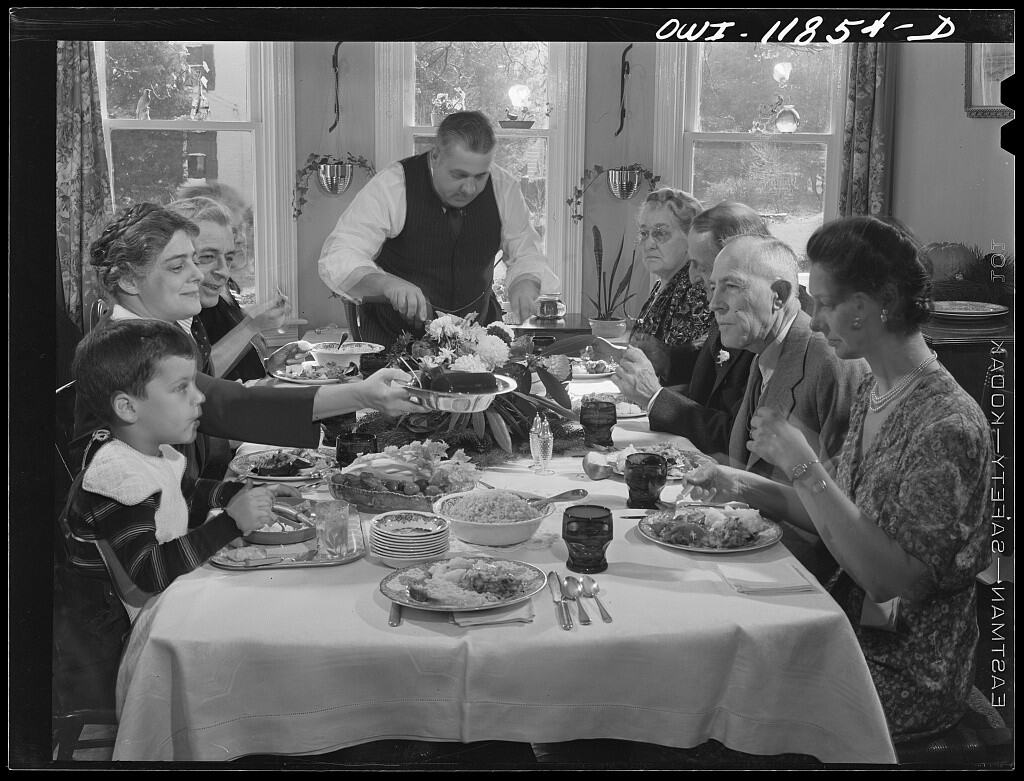
This year, Thanksgiving falls on Thursday, November 26 — the same date George Washington set aside in 1789 for the first national day of thanksgiving under the new Constitution. We tend to remember the holiday for its food, family, and football. But beneath the familiar traditions is a civic story: one about people deciding how to live and govern together, working through disagreement, and returning to that question generation after generation.
Thanksgiving also arrives just a few weeks after Election Day. Whatever our hopes for the results, election seasons can leave neighbors, coworkers, and even families feeling a little further apart. That makes this a fitting moment to look back at how the holiday came to be—and what its history can teach us about civic engagement, civil discourse, and community.
The Mayflower Compact: A Promise to Govern Together
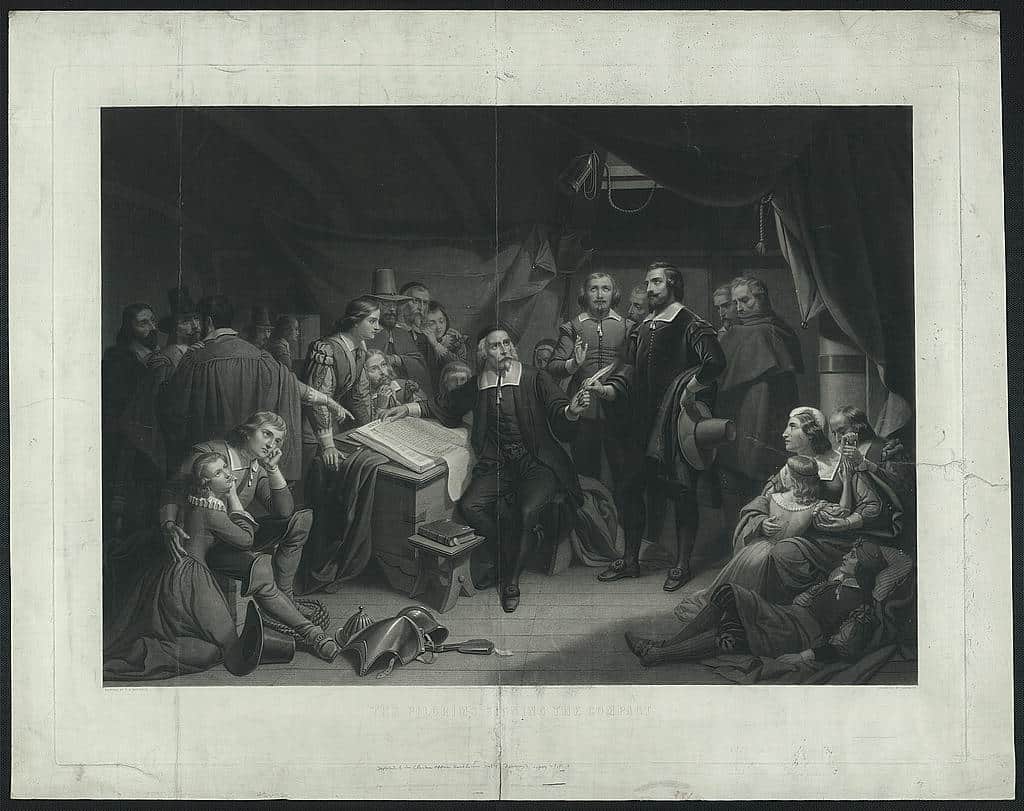
Before the Mayflower's passengers built a single house, they had to answer a question every community eventually faces: who would make the rules, and why should anyone follow them? Anchored off Cape Cod, outside the area their patent covered, some travelers suggested that once ashore, no one would have the power to command them.
Their answer was a short, written agreement. On November 11, 1620, forty-one adult male passengers signed what we now call the Mayflower Compact, promising to “covenant and combine ourselves together into a civil body politic” and to make and obey “just and equal laws” for “the general good of the Colony.”
The Compact was a practical, temporary solution, and it reflected the limits of its time: women and children did not sign, and it addressed the colonists' authority over one another — not the consent of the Wampanoag, whose homeland they had entered. Even so, its central idea has endured. A community holds together when its members agree to work toward a common good, even before they agree on much else.
Agreements Across Difference
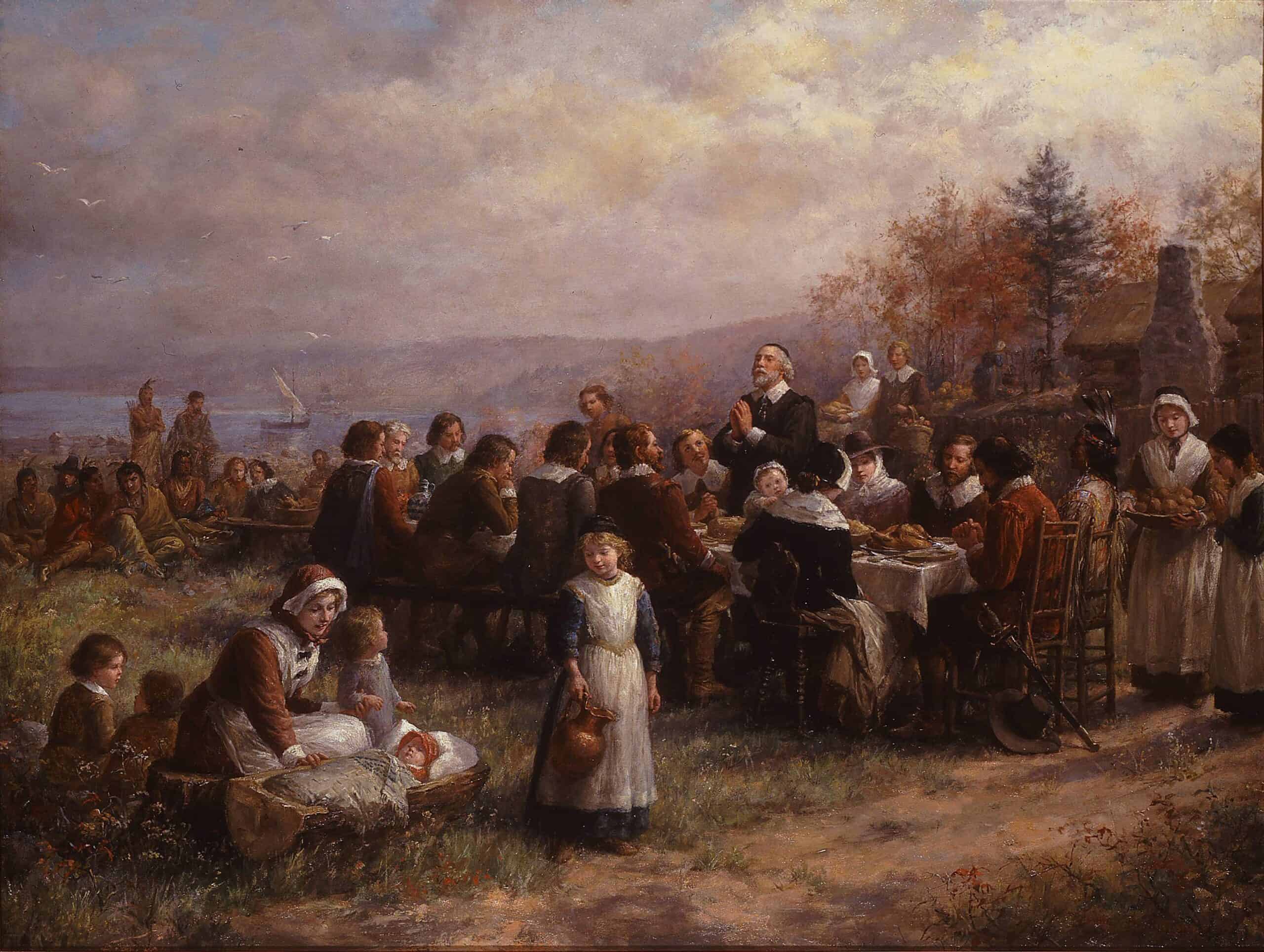
In March 1621, after a devastating first winter that claimed about half of the Mayflower's passengers, the Plymouth colonists and the Wampanoag sachem Ousamequin, known to the English as Massasoit, reached an agreement. Each side promised not to harm the other's people and to aid one another. Governor William Bradford later wrote that the peace had “continued this 24 years.”
That fall, Massasoit and about 90 of his men joined the colonists for a three-day harvest celebration, contributing five deer to the meal, according to Edward Winslow's eyewitness account. The participants did not call it a thanksgiving; that label came more than two centuries later. And the relationship between the two peoples would grow far more difficult in the decades that followed. Still, the moment reminds us that communities with very different histories, languages, and interests can find terms to live by and share a table.
A National Holiday Born of Debate
In September 1789, during the First Congress, Representative Elias Boudinot of New Jersey proposed asking President Washington to recommend a national day of thanksgiving. Not everyone agreed. Aedanus Burke of South Carolina said he “did not like this mimicking of European customs,” and Thomas Tudor Tucker, also of South Carolina, argued that such a matter belonged to the states: “If a day of thanksgiving must take place, let it be done by the authority of the several States.”
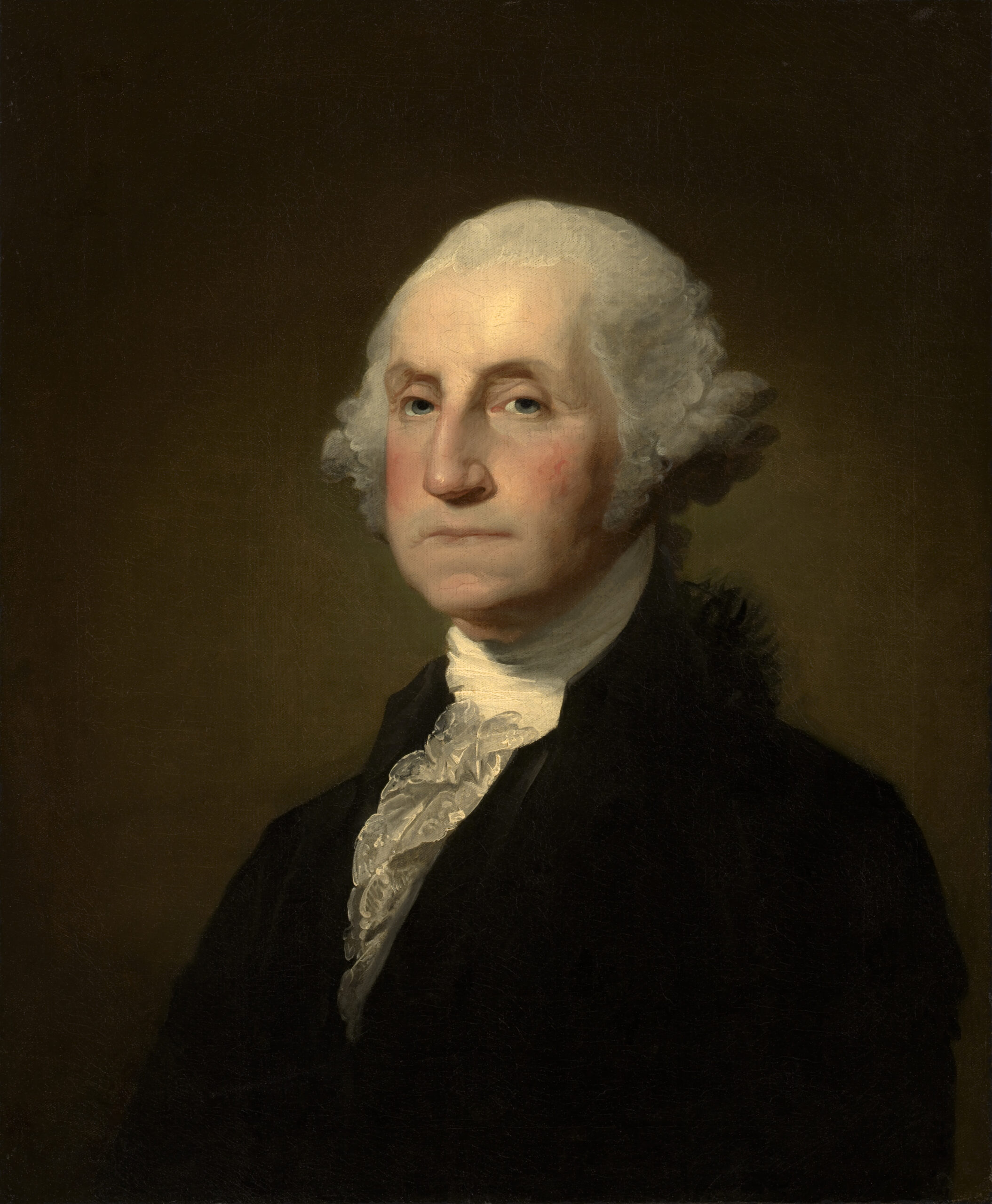
The objections were heard, the resolution passed, and on October 3, 1789, Washington issued his proclamation. Among the blessings he named was “the peaceable and rational manner in which we have been enabled to establish constitutions of government,” along with a hope for “wise, just, and constitutional laws, discreetly and faithfully executed and obeyed.” In other words, the young nation's first national Thanksgiving gave thanks, in part, for its ability to settle hard questions through a peaceful process—one that included open disagreement about the holiday itself.
The Power of One Persistent Citizen
For most of the next seven decades, Thanksgiving remained a patchwork of state and local observances. That began to change thanks to Sarah Josepha Hale, the longtime editor of Godey's Lady's Book and the author of “Mary Had a Little Lamb.” Hale spent years writing editorials and letters to governors and presidents, urging a single, shared national day of thanks.
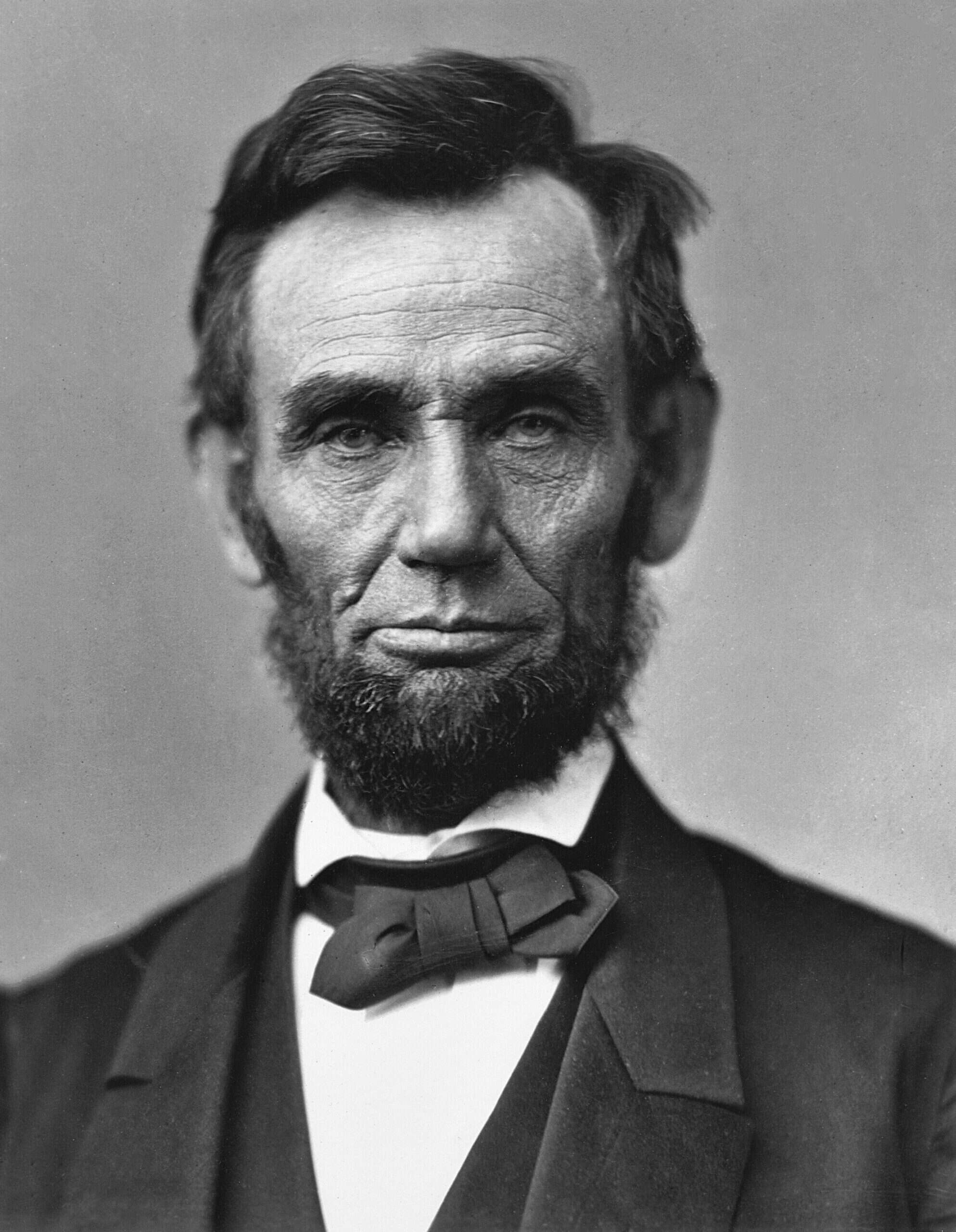
On September 28, 1863, during the Civil War, she wrote to President Abraham Lincoln, asking that the holiday be made “a National and fixed Union Festival,” noting that she had promoted the idea in her magazine “for the last fifteen years.” Days later, on October 3, 1863, Lincoln proclaimed a national Thanksgiving, inviting Americans to give thanks “as with one heart and one voice” and to pray for the nation's healing — “to heal the wounds of the nation and to restore it … to the full enjoyment of peace, harmony, tranquillity, and union.”
Hale held no public office. She changed the national calendar through persistence, persuasion, and a belief that a shared day could help a divided country remember what its people held in common. Her example reminds us that civic engagement isn't limited to those who hold office; it belongs to every citizen willing to make a respectful case and keep making it.
Settling It by Compromise
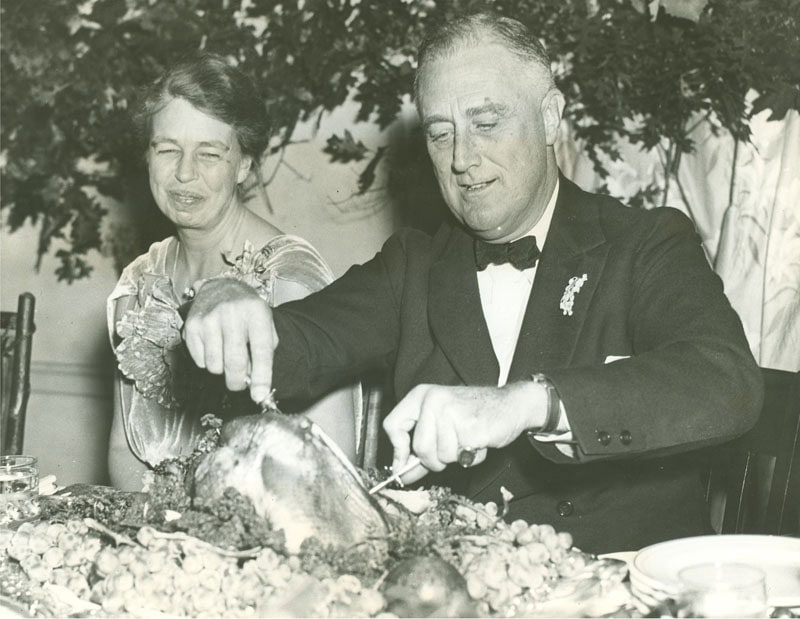
Even the date of Thanksgiving required civil problem-solving. In 1939, during the Great Depression, President Franklin D. Roosevelt moved the holiday up a week to lengthen the holiday shopping season. Only about half the states followed, and newspapers joked about competing “Democratic” and “Republican” Thanksgivings — and a new holiday nicknamed “Franksgiving.”
Rather than leave the confusion in place, Congress settled on a middle path: the fourth Thursday of November, which kept most of the economic benefit while giving families, schools, and businesses a predictable date. President Roosevelt signed the measure on December 26, 1941, and it remains the law today.
Justice O'Connor's Lesson: Know It, and Be Part of It
Taken together, these moments tell a consistent story. Americans have built and rebuilt this holiday the same way they have built and rebuilt their communities: by making promises to one another, debating openly, persuading patiently, and compromising when it counts.
Justice Sandra Day O'Connor understood that these habits don't happen on their own. Speaking at Eureka College in 2013, she said:
“The fundamental skills of self-governance just isn't handed down through the gene pool, you have to learn it. You have to know how it works, and you have to be part of it.”
Justice O'Connor lived that belief well beyond the courtroom. Her Arizona home was a gathering place where people with differing views could sit down together, reflecting her conviction that “civil talk leads to civic action.” She often reminded others that “it's possible to disagree without being disagreeable” — a theme we explored last holiday season in Holiday Conversations and Civil Discourse: What We Can Learn from Justice Sandra Day O'Connor. After leaving the Supreme Court, she founded the Sandra Day O'Connor Institute to carry that work forward through civic education, civic engagement, and civil discourse.

A Season to Give Thanks — and to Reconnect
Thanksgiving began, in part, as a civic act: a community pausing to recognize what it shared. This year, we invite you to carry that spirit beyond the dinner table. Consider taking a moment to thank the people who help our communities work:
- Those in public service — the election officials and poll workers who just carried out another election, first responders, teachers, public librarians, local officials, and the veterans and service members we honor on Veterans Day.
- Neighbors — the person who shovels a walk, checks on an elderly resident, or simply waves hello.
- Community members making a positive impact — volunteers, coaches, faith and civic leaders, and nonprofit staff who show up week after week.

And if the past election season has left you feeling disconnected, consider small ways to reconnect:
- Write a thank-you note to those helping your community – public works staff repairing the roads, local health officials keeping us safe, or CERT volunteers helping us when we need it most.
- Invite a neighbor you don't know well to coffee, or to share a holiday dish.
- Volunteer with a food bank, library, or community organization this season.
- Attend a local meeting or community event — simply to listen and learn.
- At the table, ask a family member about a time they felt proud of their community, and listen to the answer.
More than four centuries after a small group of travelers promised to work together for “the general good,” that promise is still ours to keep.
From all of us at the Sandra Day O'Connor Institute, thank you for being part of it — and Happy Thanksgiving.
Looking for more ways to explore civic history and practice civil discourse? Visit Civics for Life, learn about our programs for students and lifelong learners, or support our work.
Download Our App
History Podcast Series
Read Latest Research
Reading this on the web? Be the first to know about program and event news via email. Register for The Citizen and receive news straight to your inbox.