About Civics, History, and Each Other
A reflection on a landmark year of civic engagement, education, and inspiration — and the road ahead.
Two hundred and fifty years ago, a group of visionaries dared to change the course of history. They declared, in the face of uncertainty and great personal risk, that people have the right to govern themselves — and then they set about building a system to prove it. On July 4, 2026, Americans across the country will mark the milestone with fireworks and festivals, parades and public readings, community gatherings and quiet moments of reflection. But for the Sandra Day O'Connor Institute, the celebration of America 250 was never just about a single day. It was about an entire year of learning, connecting, and recommitting ourselves to the work of citizenship.
As the Semiquincentennial comes to a close, we find ourselves looking back at a year filled with extraordinary moments — and looking forward with renewed purpose.
Where It Began: A Celebration with Purpose
When we announced the start of America 250 celebrations more than a year ago, we offered a simple but urgent challenge: don't just celebrate — participate. As Justice Sandra Day O'Connor often reminded us, the practice of democracy is not handed down through genes or guaranteed by geography. It must be chosen, learned, and lived by each generation of citizens.
That conviction guided everything we did in the months that followed. As the countdown to July 4, 2026, accelerated, we leaned into every opportunity to help Americans of all ages understand where we came from, how far we've come, and what work still lies ahead.
Getting to Know the Founding Generation — All of Them
One of the greatest gifts of an anniversary this significant is the invitation to look more carefully at the people who shaped the founding era — not just the familiar names etched on monuments, but the full human landscape of early America.
Through our America's Founders: Who Am I? series, we brought the founding generation to life through weekly clues and interactive social media challenges. Participants guessed at the identities of icons and unsung heroes alike — from George Washington and Abigail Adams to Gouverneur Morris and John Jay. Each puzzle opened a door to a deeper understanding of the people, principles, and debates that shaped the American republic.
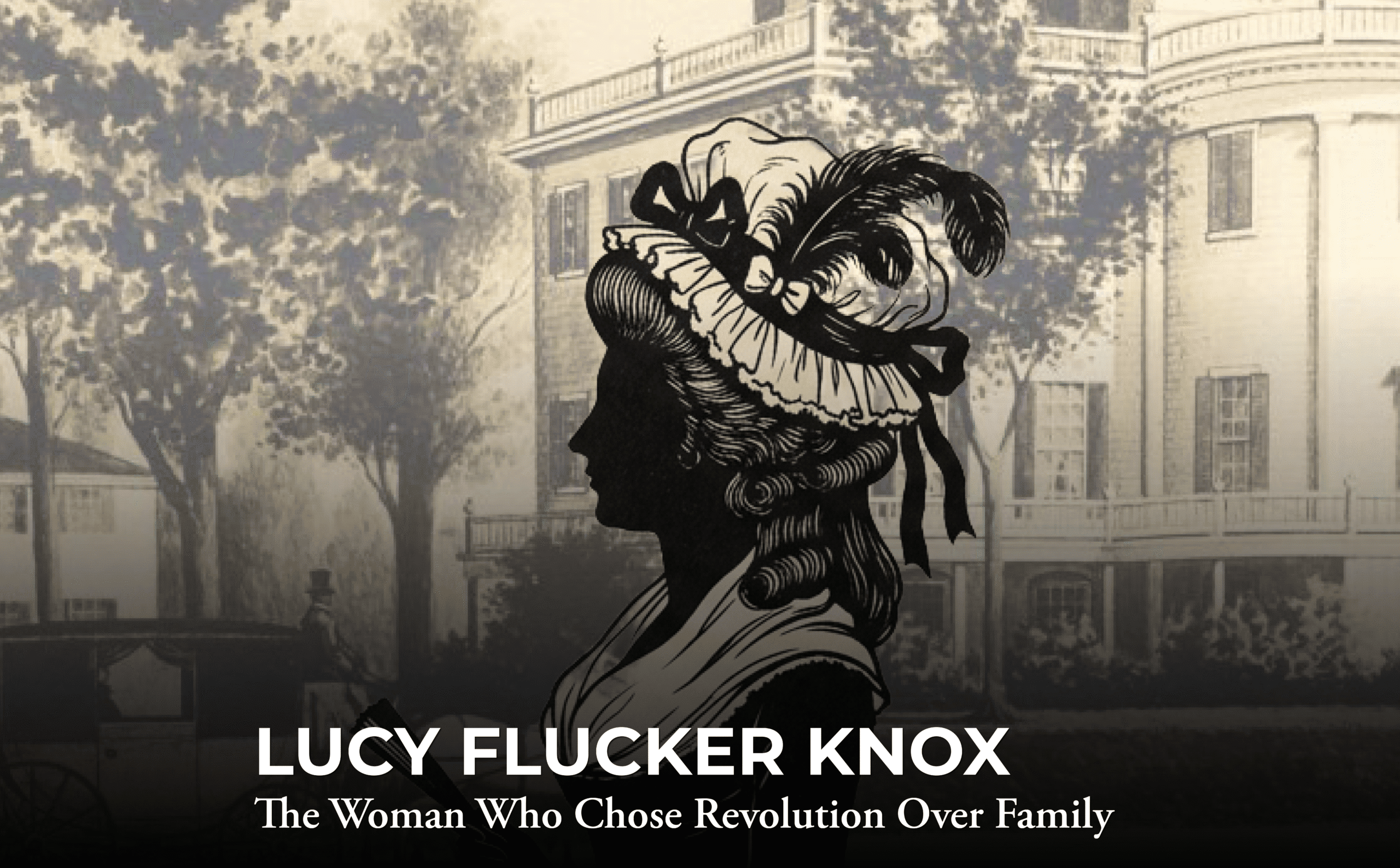
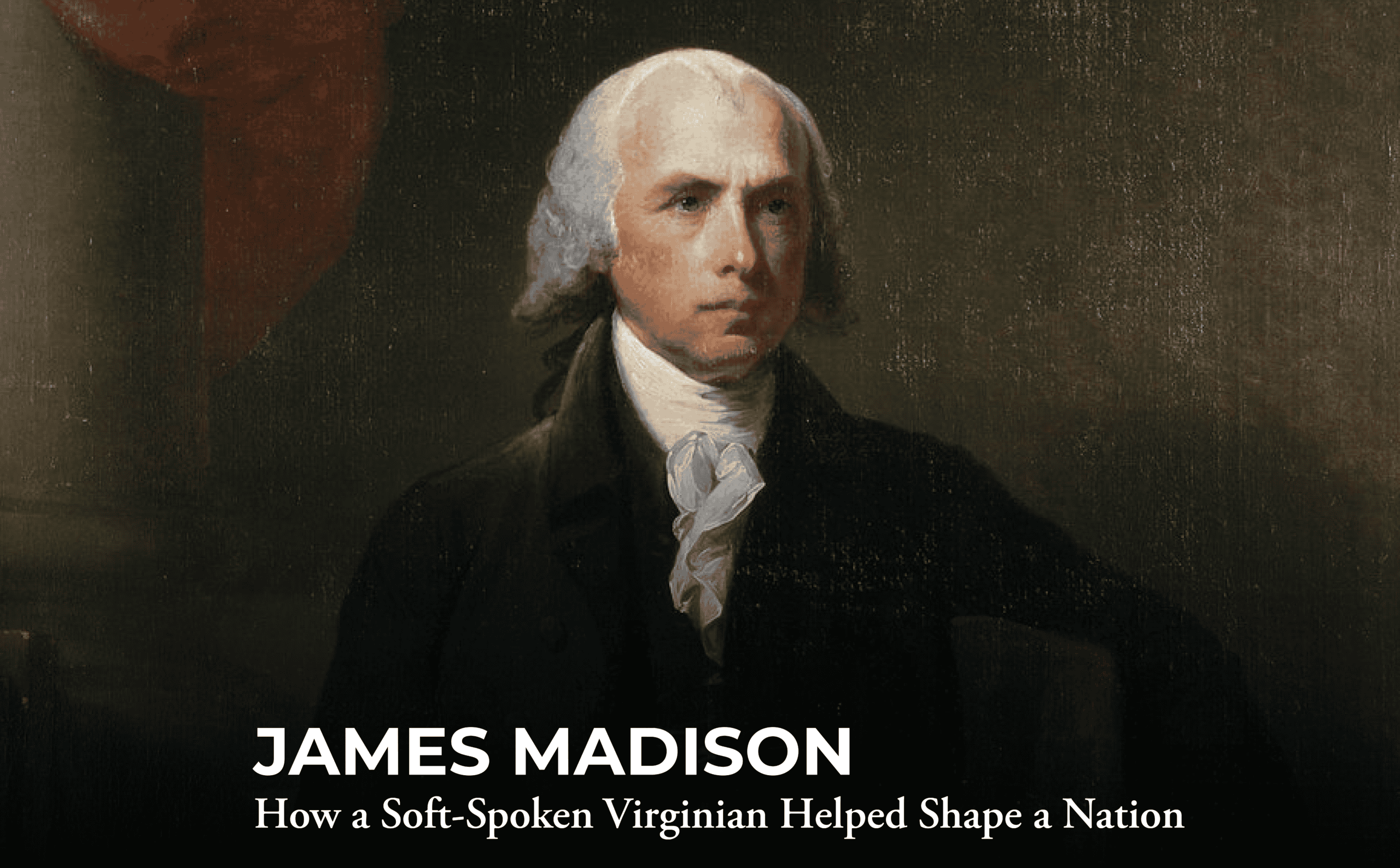
That exploration was made richer still by the deep catalog of profiles on Civics for Life under America's Founding Generation — a growing collection honoring the men and women who broke barriers and stepped into roles never before held. Articles on figures such as James Madison, the architect of the Constitution; Robert Morris, the financier who funded the Revolution; Rachel Walker Revere, who held the patriot cause together at home; and Sarah Franklin Bache, Benjamin Franklin's daughter and a civic organizer in her own right, all remind us that nation-building was a collective enterprise. The Historical Foundations section of Civics for Life provided essential context, tracing the arc from thirteen separate colonies, each with its own interests and identity, to a united republic bound by shared ideals.
The story of America's founding, when told fully, is more inspiring — not less — for its complexity.
A More Complete Founding Story
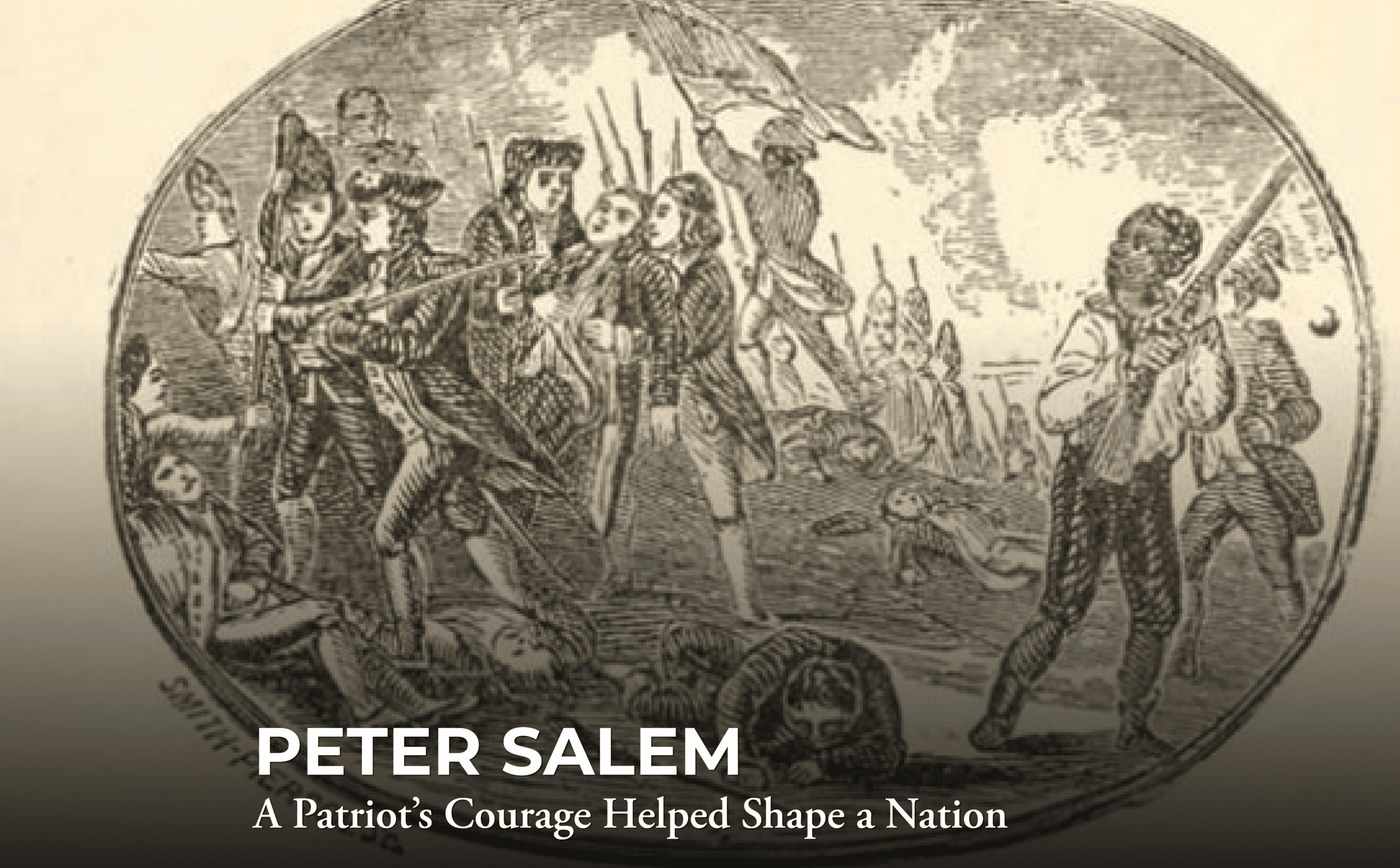
This anniversary year, we are telling a more complete founding story by honoring Americans whose civic action helped build, test, and extend the nation’s promise of liberty, equality, and self-government.
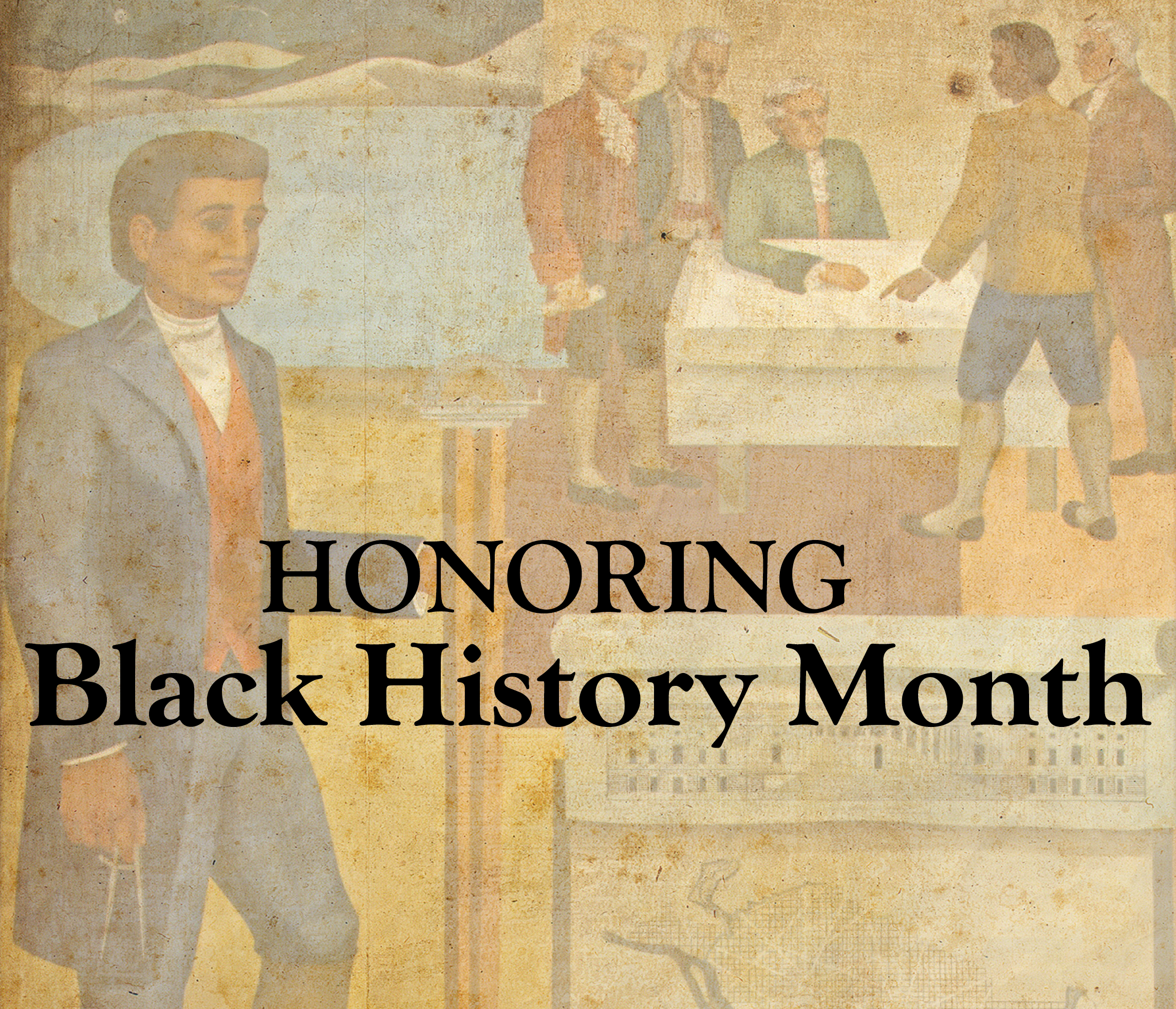
In recognition of Black History Month, we explored the civic lives of Prince Hall, a Revolutionary War veteran who used formal petitions to advocate for education and voting rights in Massachusetts; Elizabeth Freeman, known as Mum Bett, who successfully sued for her freedom using the state constitution’s own language; Benjamin Banneker, the self-taught mathematician who helped survey Washington, D.C., and engaged Thomas Jefferson in correspondence about liberty and equality; and Paul Cuffe, a shipowner who connected economic participation with community empowerment and education. Their stories show that civic participation has always taken many forms, and that America’s founding principles have been strengthened by those who worked to claim, apply, and expand them.
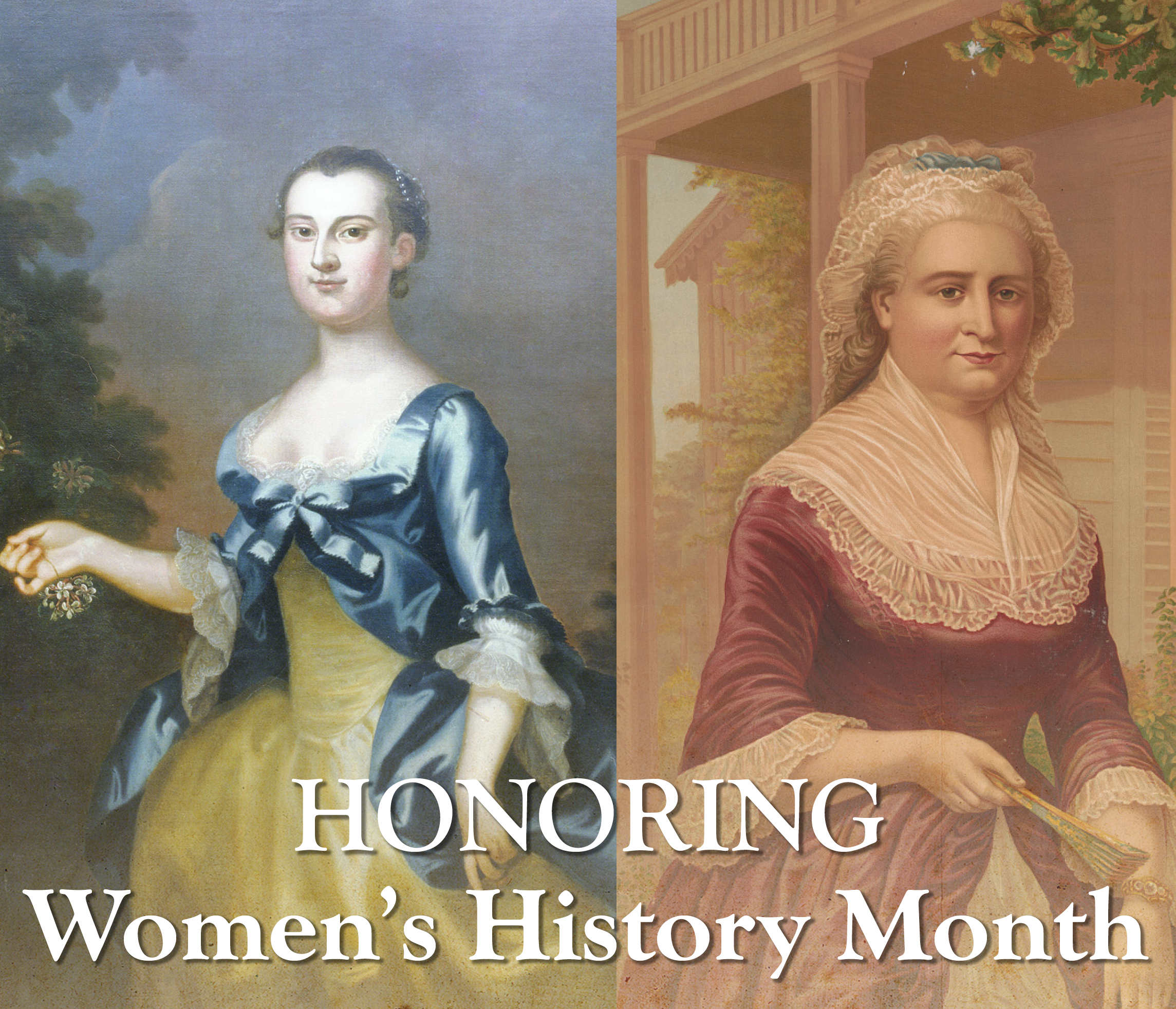
Women's History Month offered another lens, as we traced the civic leadership of Martha Washington, whose hosting of cross-partisan gatherings helped establish norms of republican civility in a fragile new government; Esther De Berdt Reed, who organized the Ladies Association of Philadelphia to support the Continental Army and argued publicly that women were participants in the nation's cause; Dolley Madison, who fostered unity through civil discourse and saved Gilbert Stuart's portrait of Washington when the British burned the White House; and Eliza Hamilton, who spent decades after Alexander Hamilton's death preserving the documentary record of the founding era — an act of civic stewardship that has shaped American historical memory ever since.
These are not footnotes to the founding story. They are the founding story.
Civics Education: The Work Beneath the Celebration
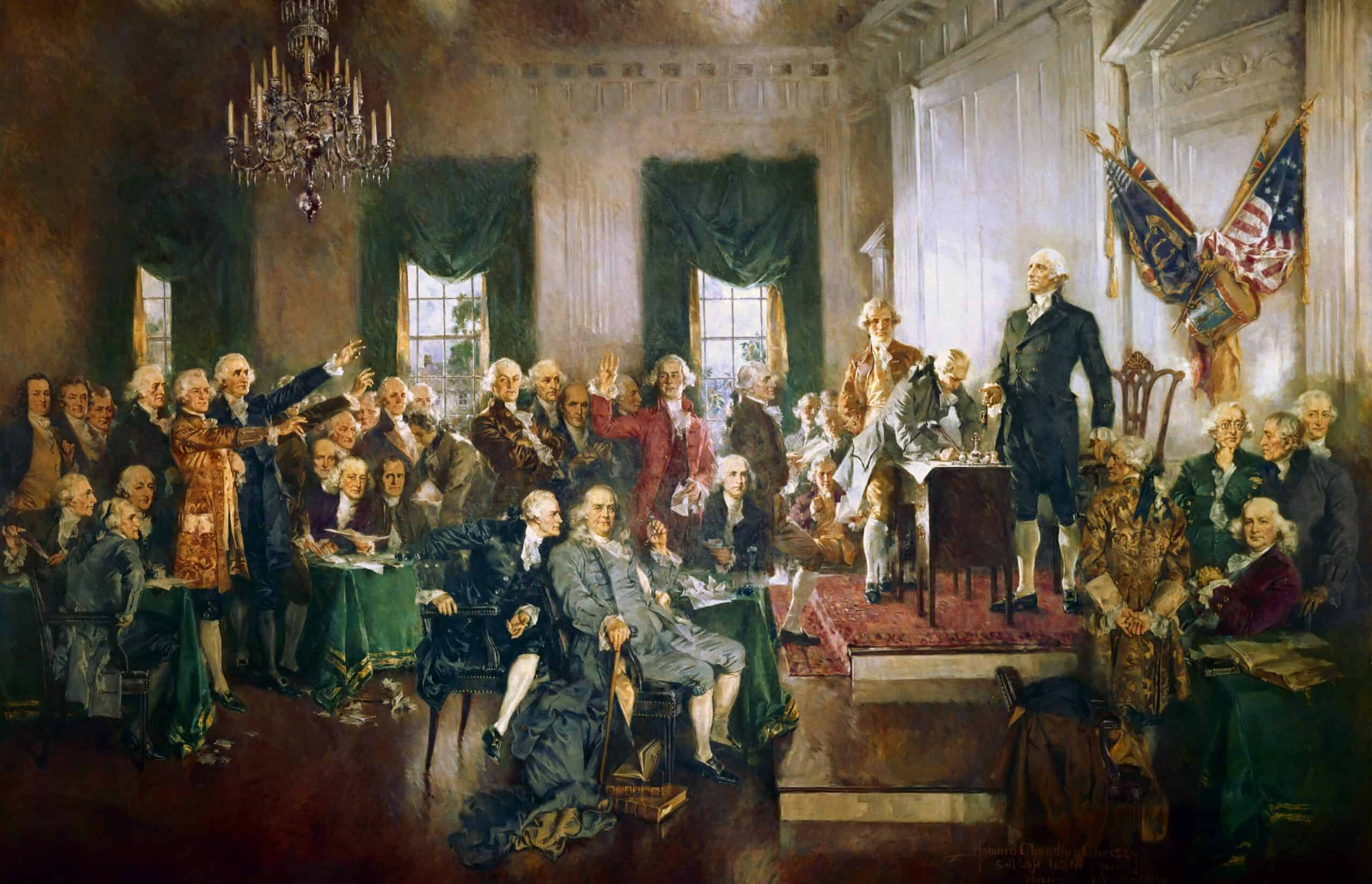
No anniversary means much without honest reckoning. As we celebrated 250 years, we also continued to sound an alarm that we believe is genuinely urgent.
Our Constitution Day 2025 reflection laid out the stakes clearly: fewer than one in three Americans report feeling confident in their understanding of how their own government works. Two-thirds say they rarely or never received meaningful civics instruction in school. Meanwhile, the teachers we rely on to change that are themselves feeling underprepared and afraid, with nearly 80% reporting that they have self-censored in the classroom and more than 85% citing fear of controversy as a major obstacle.
Justice O'Connor understood this problem long before the data confirmed it. She believed that civic knowledge is the foundation of civic participation, that informed citizens are more likely to vote, to engage constructively, and to trust the institutions that sustain democracy. The better educated our citizens are, she believed, the better equipped they would be to preserve the system we have.
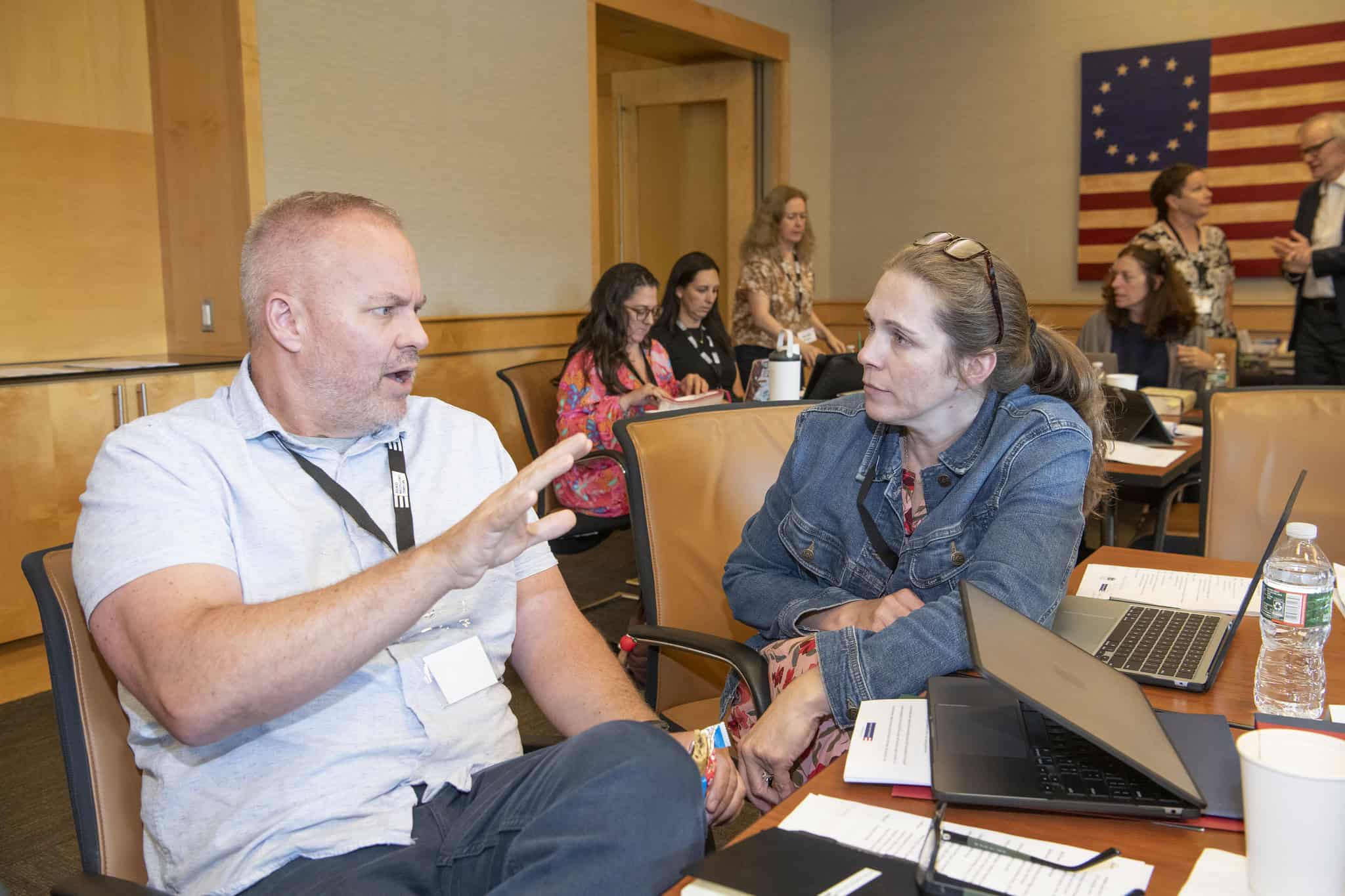
In June 2026, the O’Connor Institute sponsored our second weeklong educator intensive. This opportunity brought together educators from across the country for professional development with Pulitzer Prize-winning historian Annette Gordon-Reed and acclaimed Civil War historian David Blight. Through collaborations like this with the National Constitution Center and the Organization of American Historians, the Institute is able not only to further civic education but also to support the educators who help inform our future citizens.
The America 250 milestone is an opportunity to recommit to that belief with real resources and renewed urgency, not just a week of programming, but a generation of investment in civic education.
The Next Generation Steps Forward
Perhaps the most hopeful sign we saw all year was the young people.
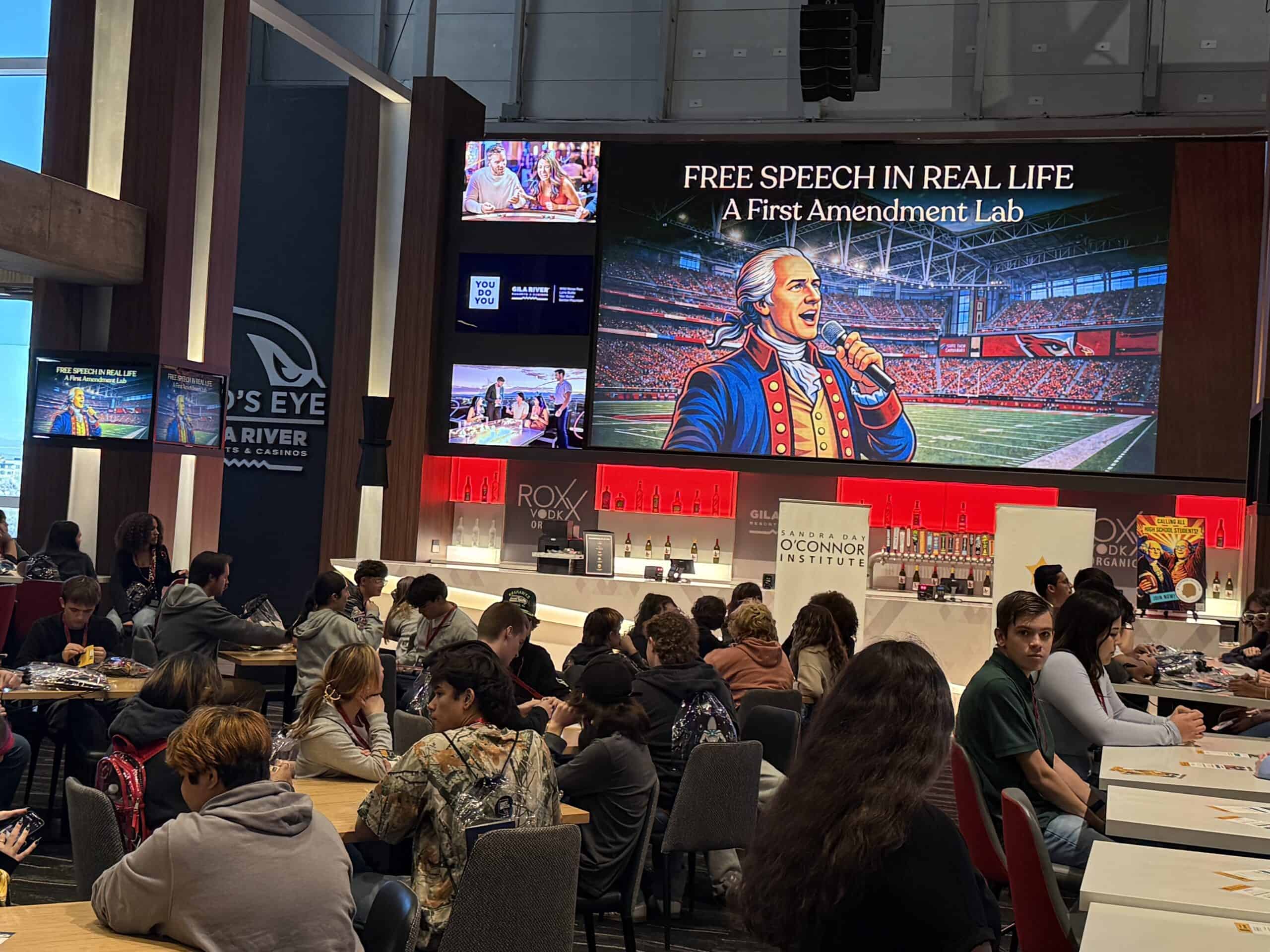
Through the O'Connor Institute Ambassadors Program, high school students from across the country spent the year deep in the Bill of Rights — not just memorizing its text, but wrestling with what it means. They debated the First Amendment's implications for digital speech, grappled with the balance between liberty and safety in the Second Amendment, and connected the Third and Fourth Amendments to contemporary questions about privacy and technology. What struck us most was not their conclusions, but their method: they listened, asked genuine questions, considered multiple perspectives, and engaged respectfully across differences. That is the practice of democracy.
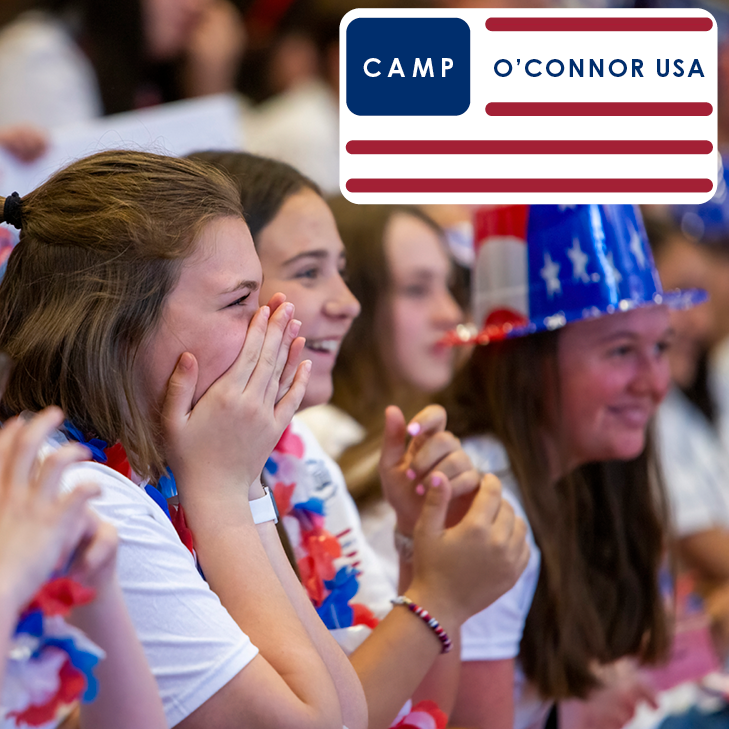
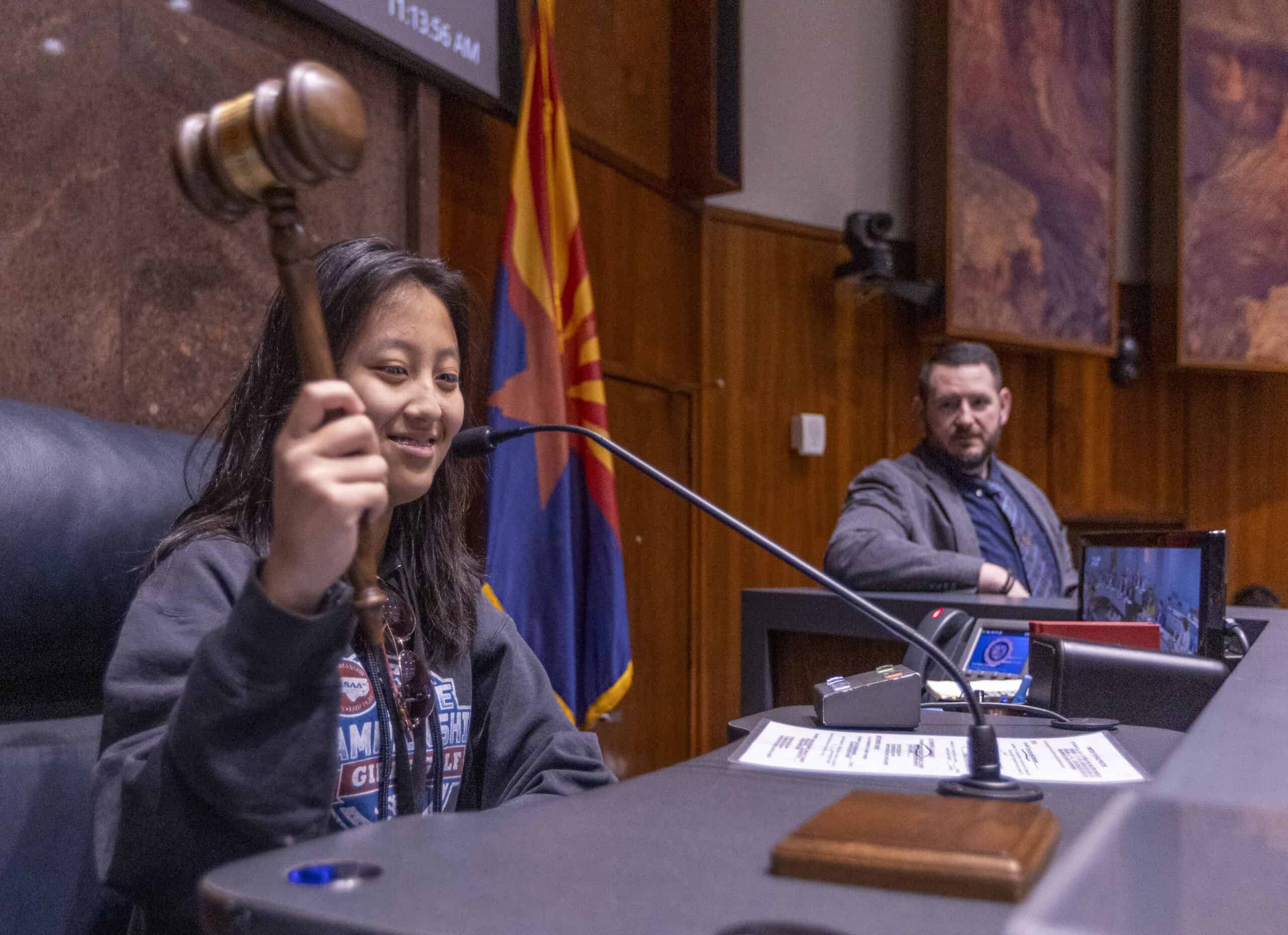
Camp O'Connor USA, our free summer day camp for middle schoolers, brought the same spirit to a younger audience, introducing students to the foundations of American government and the habits of civic leadership at exactly the age when those habits begin to form. This summer's Camp O'Connor USA: America 250 Edition gave participants not just a lesson in history but a sense of ownership over it. The Summer of Civics America 250 Edition offered 12 concrete ideas for civic engagement at every level of government, and inspired thousands of Americans to find their own entry point into participation.
And through our national Civics Challenge, students across the country channeled their creativity into civics, producing videos, arguments, and creative works that demonstrated a rising generation's genuine engagement with the ideas at the heart of this country.


What We Carry Forward
Two hundred and fifty years is a long time. It is also no time at all.
The American experiment is still underway. Its outcome is not guaranteed, and it never has been. The Founders knew that. The men and women who expanded the promise of the founding — through courts, petitions, organizing, service, and sacrifice — knew that. Justice O'Connor knew it, too.
What this year reminded us is that the story of America is still being written, and that all of us are among its authors. The Founders gave us a framework, a Constitution, a set of rights, and a system of government designed for self-correction, but they left the rest to us. To the next generation studying the Bill of Rights in their living rooms and on their laptops. To the teachers who are finding the courage to teach civics well. To the citizens who show up to school board meetings, town halls, and polling places. To anyone who chooses, as Elizabeth Freeman once did, to take the ideals seriously.
We are grateful to everyone who joined us this year in celebrating not just what America was, but what it is still becoming. The fireworks are not the end of the celebration. The work continues.
Keep the Momentum Going
The resources we built for America 250 aren't going anywhere, and they are free for everyone. We invite you to explore:
- Civics for Life — A website or app to use where you are.
- Access free articles, lessons, and tools for learners of all ages, including the full America's Founding Generation and Historical Foundations collections.
- The Civics for Life Community App provides daily quizzes, historical tidbits, a book club, and an opportunity to connect with more than 7,000 civic-minded individuals across the country.
- O'Connor Institute Ambassadors — A national online civics and debate program for high school students. Applications open annually.
- Camp O'Connor USA — A free, merit-based summer day camp introducing middle schoolers to American government and civic leadership.
- Civics Challenge — Our national video competition inviting middle and high school students to express their understanding of civics.
- Before It Became History — Our podcast series brings American history to life for modern listeners.
- Civic Policy Research - Understanding where we are helps us, as citizens, educators, and policymakers. Read our growing catalog of original research.
Here's to 250 years — and to the work ahead.
Learn. Engage. Inspire. Carry it forward.