
Civics Lessons Beyond the Pitch
For five weeks this summer, the world came to America's doorstep. Sixteen cities across the United States, Mexico, and Canada opened their stadiums, their streets, and their spare bedrooms to 48 national teams and millions of visiting fans. By the time the group stage wrapped up, the tournament had already broken the all-time World Cup attendance record, set back in 1994, the last time the United States hosted.
Now, as the games enter their final week and the world's attention narrows toward the July 19 final at New York New Jersey Stadium, it's worth pausing on something bigger than the scoreline. A global tournament landing in American backyards turned out to be a genuine civics lesson, one about infrastructure, common ground, shared stories, and national pride, played out in real time in host cities from Kansas City to Los Angeles to Toronto.
The Bus Route Is a Civic Institution
Long before a single goal was scored, host cities were tested by a much less glamorous question: how do you move 80,000 people in and out of a stadium without gridlocking a metro area? Kansas City, Seattle, Atlanta, and every other host city spent years and considerable public investment preparing shuttle lines, rail service, and pedestrian routes built to carry a World Cup crowd. Some cities built entirely new busways. Others leaned on existing rail lines, adding cars, extending hours, and training extra staff to handle crowds many times larger than those of a typical commute.
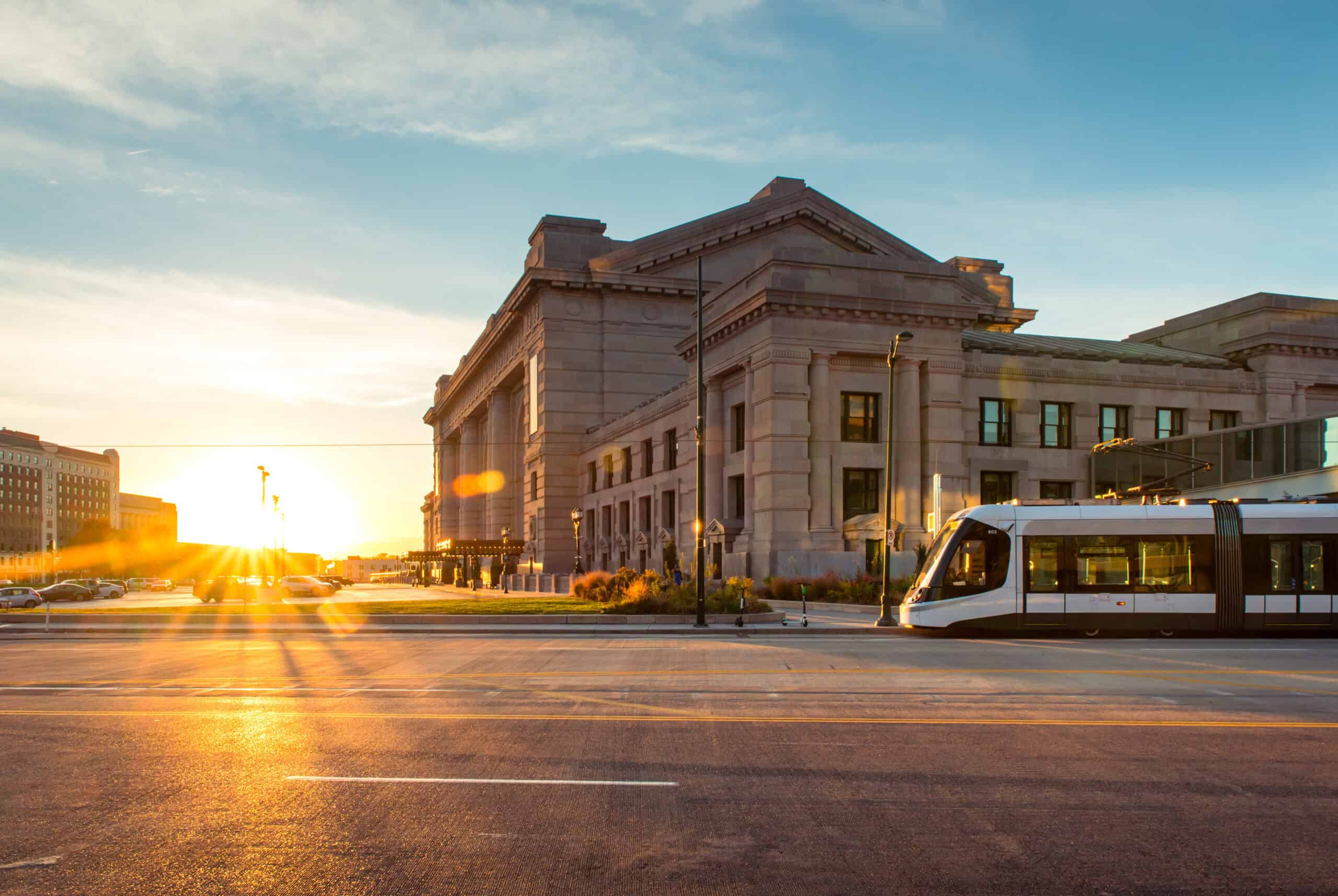
That work is easy to overlook when it succeeds. A bus that runs on time, a transit line extended a few extra stops, a well-marked crosswalk near a fan zone, these are unglamorous things. But they are also the plumbing of self-government. Public transportation, traffic planning, and stadium infrastructure are civic infrastructure, funded and maintained through decisions made in city councils and transit authorities long before any fan ever buys a ticket. The World Cup didn't invent that truth. It just made it visible to millions of people for a few weeks who don't usually think about how a city moves.

It's worth remembering, too, that this kind of infrastructure doesn't announce itself when it works, only when it fails. A delayed train or a snarled off-ramp becomes the story of the day; a smooth commute to and from a sold-out stadium rarely makes headlines at all. That asymmetry is worth sitting with. So much of what makes a community livable — water systems, road maintenance, transit funding — operates on the same quiet logic. It earns attention mainly through its absence. The World Cup, for a few weeks, gave millions of people a rare chance to notice the presence of good infrastructure rather than only its absence, and to see concretely what public investment buys for a community when it works as intended.
There's a second layer to this lesson, too: none of it happened by accident. Host committees spent years coordinating across city, county, and even state lines — agencies that don't always talk to each other on a normal Tuesday suddenly had to align schedules, share data, and plan contingencies together. That kind of cross-jurisdictional cooperation is itself a civic skill, and one worth remembering long after the last shuttle bus completes its final run.
Ranch Dressing Is a Starting Point, Not a Punchline
Somewhere between the group stage and the knockout rounds, a strange kind of small talk broke out in fan zones and sports bars across the country: visitors from dozens of nations, debating ranch dressing, comparing notes on gas station snacks, arguing amiably about the correct way to eat a hot dog, and asking bewildered locals to explain traffic cones shaped like something other than cones.

It's tempting to treat this as trivia. It isn't. Civic life is built one small, low-stakes connection at a time. You don't start a friendship, or a functioning community, with a shared position on foreign policy — you start with a shared plate of nachos and a genuine question about someone else's home. The World Cup gave millions of strangers a reason to talk to each other about nothing in particular, and in doing so, gave them practice at the most basic democratic skill there is: finding something, anything, in common with someone you just met.
These conversations worked, in part, because the stakes were so low. Nobody's identity is really on the line in a debate about ranch dressing. That's exactly what made it a useful practice. A visitor and a local could disagree cheerfully, laugh about it, and move on to the next topic — a rhythm of conversation that a lot of Americans, by their own admission, have grown rusty at using with each other. Fan zones and stadium concourses became, almost by accident, some of the most successful exercises in cross-cultural small talk this country has seen in years, precisely because nobody arrived expecting to change anyone's mind about anything that mattered.
It also worked because it ran in both directions. Visitors weren't the only ones asking questions — locals were just as curious about food, customs, and chants they'd never encountered before, and just as willing to be, gently, the ones who didn't know something. That kind of mutual curiosity, where nobody has to be the expert, and everybody gets to ask a question, is harder to come by than it sounds. It's also, not coincidentally, one of the building blocks of a healthy public square: the ability to sit with not knowing something about your neighbor, and to ask instead of assume.

The Scoreboard Wasn't Really the Point
Every World Cup produces its underdogs, its heartbreaks, its penalty shootouts decided by a single inch. This one was no different — and by the time this tournament is remembered, most fans won't recall the exact score of most matches. What they'll remember is the feeling: a stadium of strangers from a dozen countries collectively holding their breath, then erupting together, for a team that wasn't even theirs.
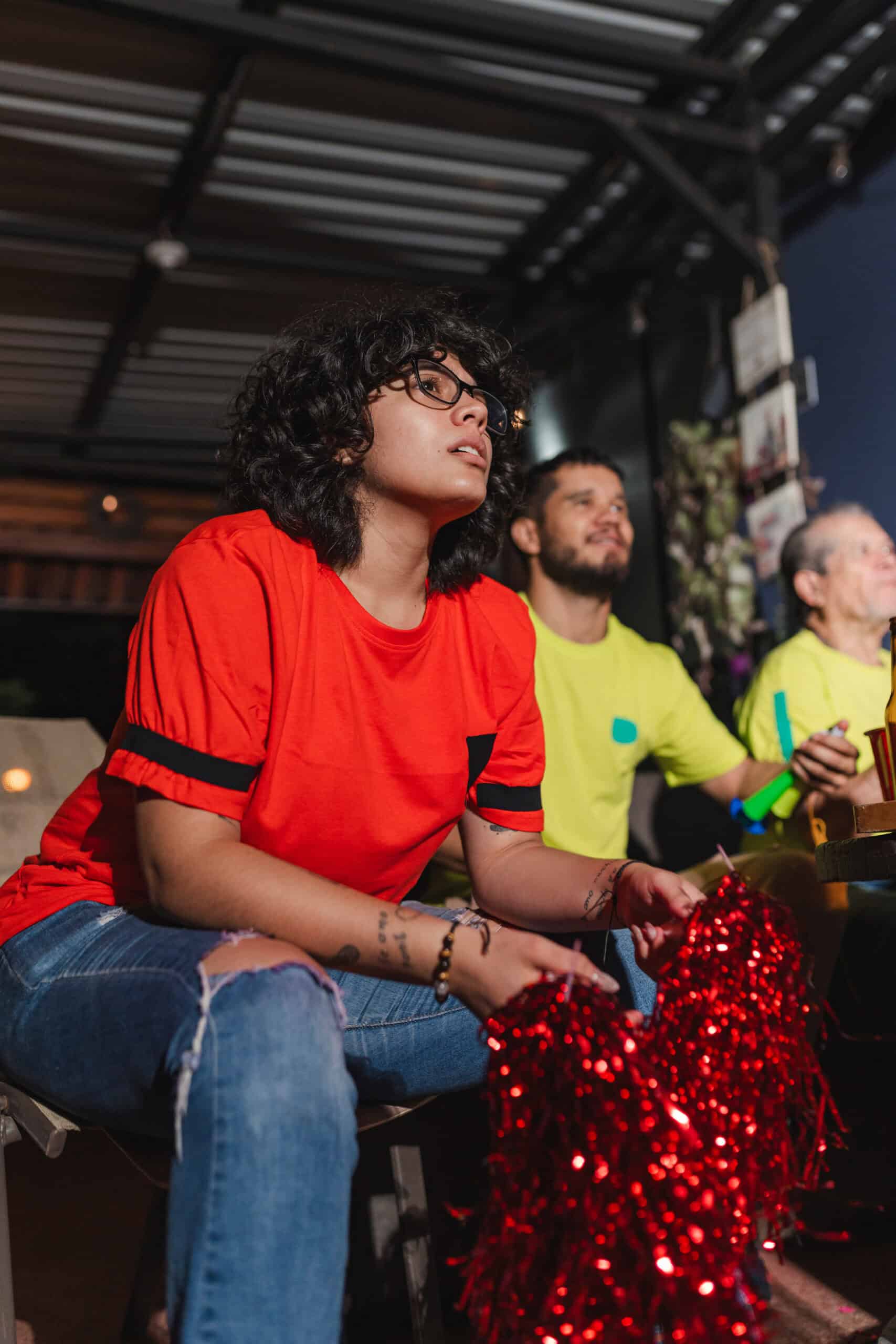
That's the quiet trick sport has always played on us. It gives people permission to care, together, about something that ultimately doesn't divide along the lines that usually divide us. A win or a loss becomes a shared story rather than a contested one. For a country — and a moment — that can feel short on shared stories, that's not a small thing.
The underdog storylines mattered most of all. Every tournament has a team that wasn't supposed to make it out of the group stage, a substitute who wasn't supposed to start, a penalty save that wasn't supposed to happen. Those stories travel fast precisely because they don't require the listener to know anything about the sport, the country, or the politics involved. A team overcoming long odds is a story anyone can understand and root for, regardless of which flag they're waving. In a stadium, a fan zone, or a living room, that shared emotional experience — the anxious hush before a shootout, the shared roar when it lands — doesn't ask anyone to agree on anything first. It simply happens to everyone in the room at the same time.
That's a rarer experience than it should be. Most of what pulls national attention these days sorts people into sides before they've even finished reading the headline. A soccer match, oddly, does the opposite. It gathers people who disagree about almost everything else into the same shared moment of hope, dread, and relief — and asks nothing of them in return except to watch. There's a lesson in that for civic life beyond the stadium: shared experience, not shared opinion, is often what actually builds a sense of belonging to the same community.
Seeing Ourselves Through a Visitor's Eyes
Perhaps the most valuable civics lesson of all came from the visitors themselves. Fans arriving from Buenos Aires, Casablanca, Seoul, and dozens of other cities brought their own hard truths about their own countries — and, often, an unguarded appreciation for things Americans have grown used to overlooking: the friendliness of strangers, the sheer scale and variety of the country, the ease of striking up a conversation with someone at a bus stop or a bar.
None of that erases the hard things, at home or abroad. Americans are still working through real and serious disagreements, and the world beyond our borders carries its own weight of conflict and hardship. But a visitor's plain, unrehearsed appreciation is a useful corrective to the habit of only seeing what's broken. Pride in a place and honesty about its problems aren't opposites. Holding both at once is, in itself, a civic skill.

It's easy, living inside a place every day, to lose sight of what makes it distinctive. Locals get used to the conveniences, the landscape, the everyday friendliness of a grocery store clerk or a stranger holding a door — the things that don't register as remarkable until someone from thousands of miles away points them out with genuine surprise. Visitors this summer did that, over and over, in small, unscripted moments: a fan marveling at how far a stranger walked out of their way to give directions, a family surprised by how many people, without prompting, asked if they needed help finding their gate. None of it made the news. All of it added up.
That outside perspective is worth holding onto precisely because it's honest in a way that's hard to manufacture from the inside. A visitor has no stake in flattering the place they're visiting, and no stake in tearing it down either — they're simply reporting what they noticed. When that noticing lands on something good, it's a useful reminder that not everything worth being proud of is loud, and not everything worth defending needs to be perfect first. A country, like a person, can be a genuine work in progress and still be worth showing up for.
Legacy and Civic Relevance
The World Cup will end, the crowds will go home, and the stadiums will empty out. But the tournament leaves behind more than highlight reels. It leaves a working demonstration of civic life at its most basic: infrastructure that serves the public good, small talk that builds real connection, shared stories that unite rather than divide, and a clear-eyed pride in home that doesn't require looking away from what still needs fixing.
Those aren't lessons that belong only to a global sporting event. They're available every day, in every community — on the bus, at the coffee shop, at the next city council meeting. The World Cup just gave us a particularly loud reminder to pay attention to them.
This post is part of the Civics for Life content series from the Sandra Day O'Connor Institute, exploring how everyday moments connect to the civic life we share.
Learn. Engage. Inspire. Carry it forward.